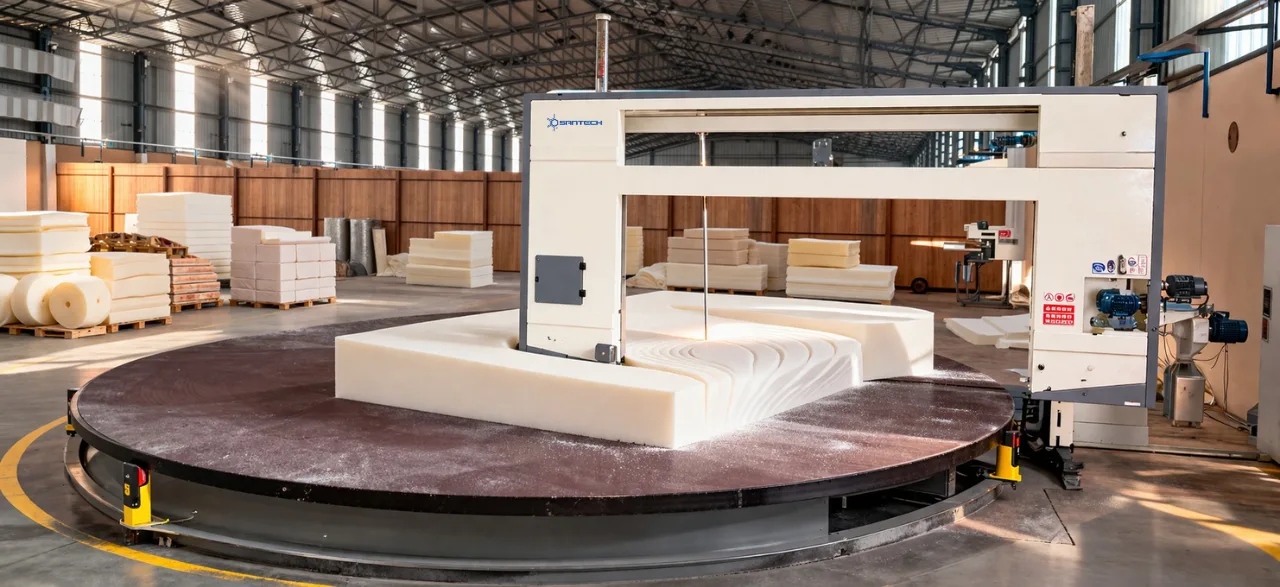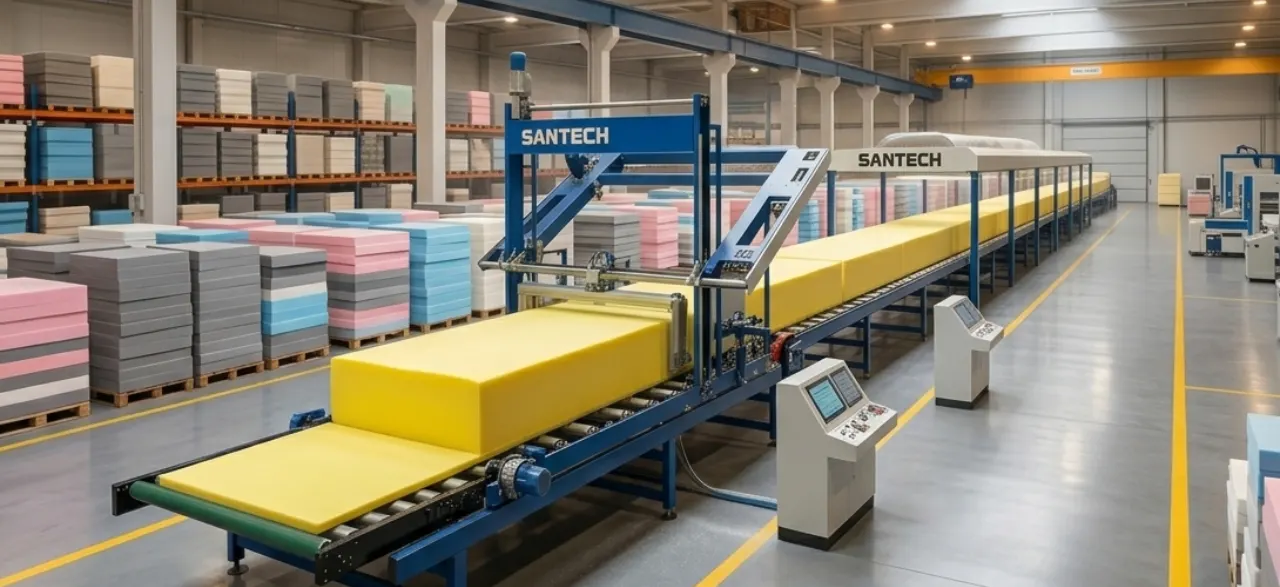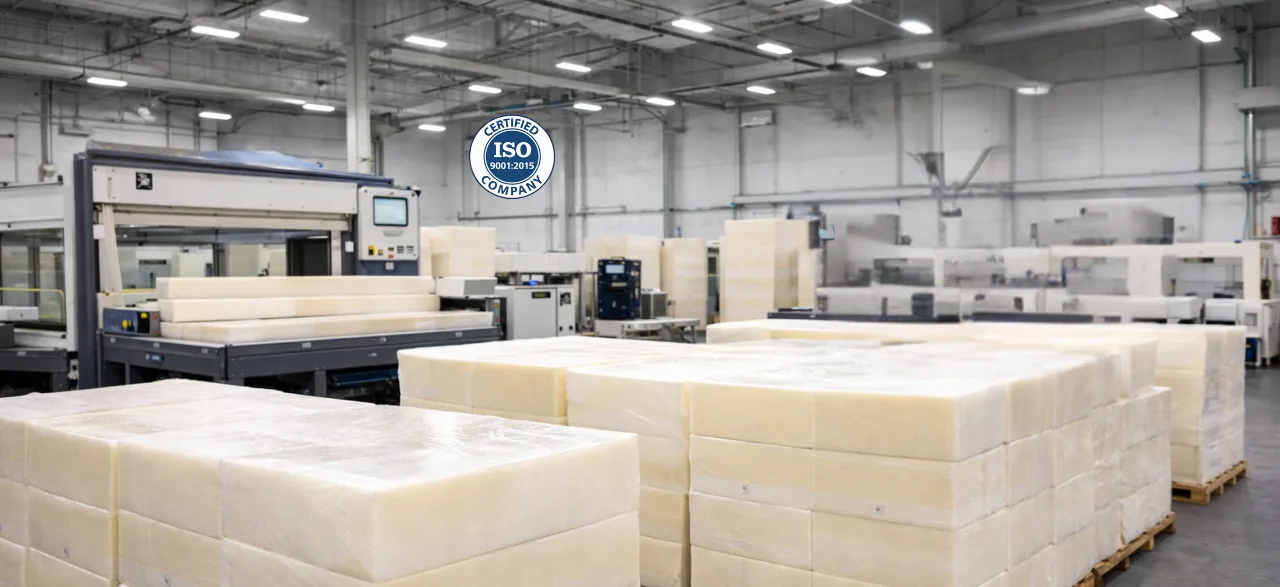

Foam plays a key role in the production of everyday products like mattresses, sofas, cushions, packaging materials, and even model building. The factories cut large blocks of foam into clean sheets using special machines to achieve the right shape and size. Some of the most common tools for doing this job are vertical shaper machines. They cut faster, make cleaner cuts, and reduce waste. Yet, like any other machine, they can come up with problems if handled carelessly.
In this blog, we explore the most common problems with vertical shaper machines and how you can easily resolve them so that work is not disrupted.
Understanding Vertical Shaper Machines for Cutting Foam
Vertical foam cutting machines are used to cut large pieces of PU foam to the desired shape and size in an efficient and systematic manner. In most cases, a vertical foam cutting machine includes a top table, an electric blade motor, and an adjustable side support system. They are used in most design procedures, like making signage, models of business ventures, prototypes, and even castings of plaster and concrete moulds. Since they accommodate all foam sizes, they are time-efficient and maintain straight cuts. However, to achieve the best output, they require proper care and skilled users.Common Issues of Vertical Shaper Machines in Foam Cutting
Even the best foam cutting machines may fail if not used efficiently. Vertical shaper machines have some typical issues which can make your work slower or create waste. Let us have a look at them.Irregular Thickness
Foam sheets come in uneven thickness, resulting in low-quality products and wastage of surplus material. Most times, it occurs due to faulty machine settings or a malfunction of the cutting system. This results in lost foam and time, and may upset customers waiting for the appropriate sizes. Causes:- Unlevel blade alignment
- Faulty machine settings
- Misaligned baffles or guides
Overheating of the Cutting Unit
The cutting unit may become excessively hot, and it may melt and distort the foam, or even ruin your equipment. Overheating also reduces the machine components’ life and even stops production. Causes:- Extended running without shutdown
- Poor ventilation or cooling
- Cutting thick foam for long periods
Displacement or Movement of Foam Blocks
Foam blocks move while cutting, causing jerky or incorrect cuts. This produces products that won’t fit or appear correct, and makes you have to redo. Causes:- Poor anchorage of foam blocks
- Lack of suction or clamping on the cutting table
Uneven Blade Marks or Poor Surface Finish
Foam surfaces feature rough finishes or even visible blade marks that ruin aesthetics as well as structural strength. Such products are normally rejected by customers, resulting in losses. Causes:- Dull or misplaced blades
- Loosely fitted or vibrating blade clamps
- Blunt grinding wheels
Excessive Vibrations or Noise
The machine may make unusual vibrations or excessive noise when operating. This is an indication that something is wrong and even dangerous for operators to use. Causes:- Worn or bent motor shafts
- Faulty bearings
- Unsteady grinding wheel circumference
Constant Cutting Belt Breakage
The cutting belt may constantly break, which results in downtime and high maintenance costs. It disrupts your schedule and can result in late delivery times. Causes:- Incorrect belt tension or mounting
- Use of low-quality belts
- Faulty wheel surfaces
Operator and Safety Errors
A malfunction of the machine can cause operational errors. Tiny errors can lead to permanent damage to the machine or injury. Causes:- Ill-trained operators
- Ignoring safety guards and regular maintenance
- Overlooking unusual noises or machine vibrations