In today’s competitive manufacturing landscape, material innovation is playing a vital role in improving the overall product performance, sustainability, and efficiency. The foam industry has witnessed a remarkable transformation with advancements in raw materials, formulations, and product processes.
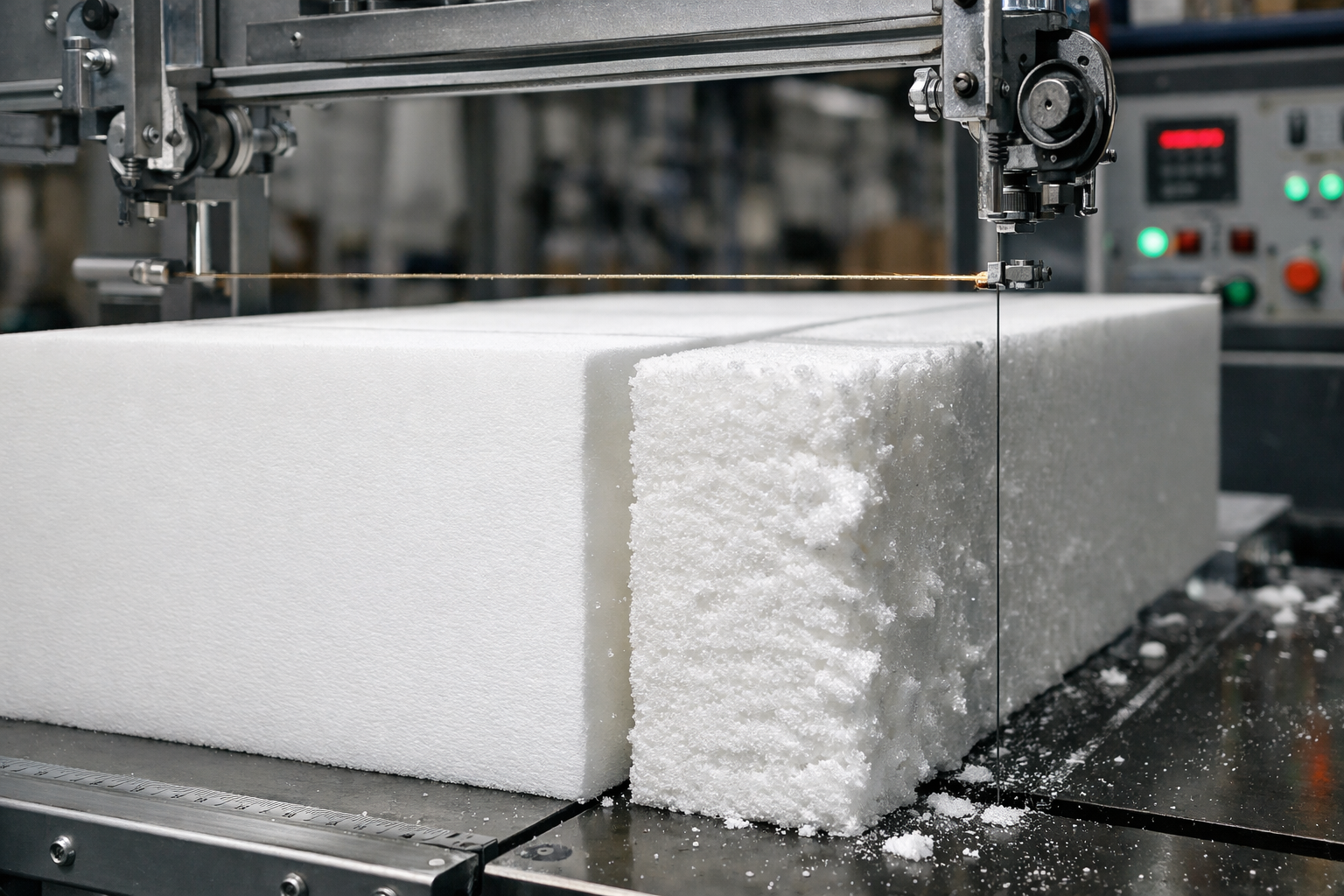
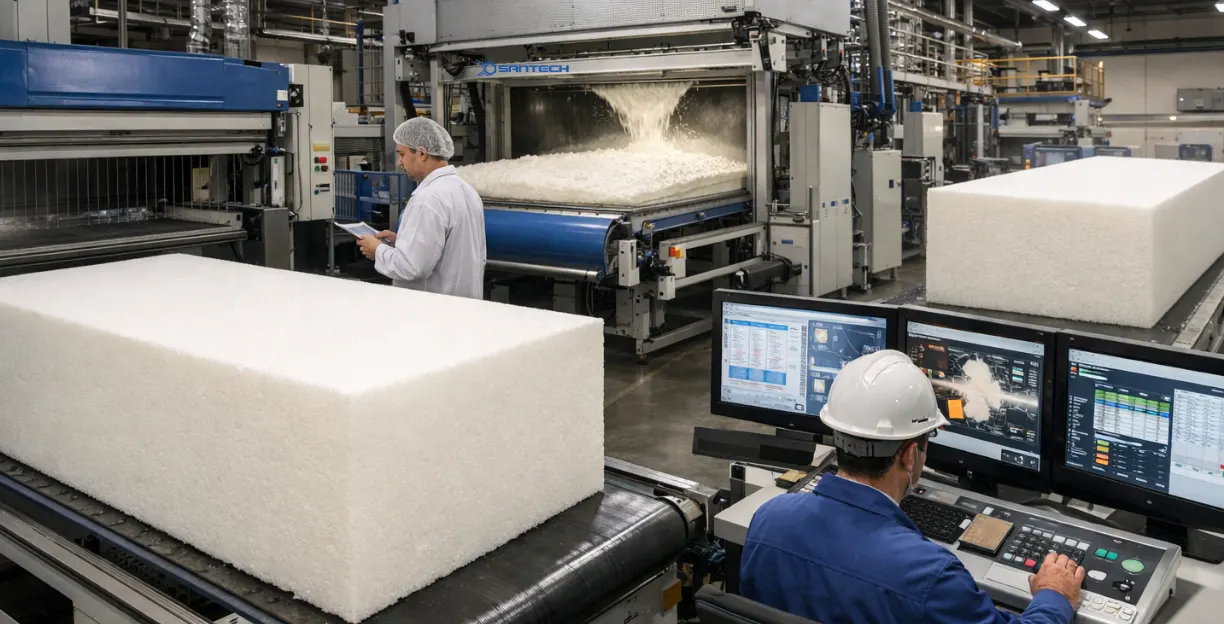
Modern foam-making technology and advanced polyurethane foam-making machines can now easily produce high-performance foam for different industries, including furniture, automotive, packaging, and construction.
So, in this blog, we will see how material innovation is transforming foam quality and how manufacturers are using new technologies to meet the evolving market demands.
Understanding the Importance of Foam Quality
You should know that foam quality directly affects durability, comfort, insulation, and overall value of the product. A foam of low-quality can easily degrade, lose shape, and compromise safety standards. However, a foam that is of high-quality offers better resilience, longer lifespan, and improved user experience.
Today, manufacturers highly focus on producing foam with:
- Uniform density and structure
- Enhanced elasticity and flexibility
- Resistance to wear and tear
- Eco-friendly properties
These improvements are primarily driven by innovations in materials and foam-making technology.
The Role of Material Innovation in Foam Manufacturing
Material innovation refers to the development and use of advanced chemical formulations, additives, and sustainable raw materials. These innovations enable the manufacturers to enhance foam performance while reducing its environmental impact.
Advanced Polyol and Isocyanate Formulations
Polyols and isocyanates are the primary components that are used in polyurethane foam production. Modern research has led to better and improved formulations that provide:
- Better bonding strength
- Higher-load bearing capacity
- Improved ageing properties
- Enhanced resistance to moisture and heat
When you are usinga high-quality polyurethane foam making machine, these advanced quality materials will help in producing foam with uniform consistency.
Bio-Based and Sustainable Materials
Sustainability has become one of the primary concerns in the foam industry. Most of the manufacturers are now adopting bio-based polyols that are derived from renewable sources of energy like soybean, castor, and palm oil. These materials help in the following ways:
- Minimise carbon footprint
- Reduce dependency on fossil fuels
- Meet global environmental standards
Well, modern foam making technology is designed to handle both traditional and eco-friendly materials without compromising on quality.
Performance-Enhancing Additives
Innovative additives are widely used to improve the overall characteristics of foam, including:
- Antimicrobial agents for hygiene
- Anti-yellowing agents for visual appeal
- UV stabilisers for outdoor applications
By combining these additives with advanced machinery, manufacturers can easily produce specialised foam for various industrial applications.
How is Foam Making Technology Evolving?
It goes without saying that technological advancements have transformed the way foam is produced. Simply because traditional methods resulted in poor quality and high material waste. But today, smart automation and digital controls are redefining production standards.
Precision Mixing and Dispensing Systems
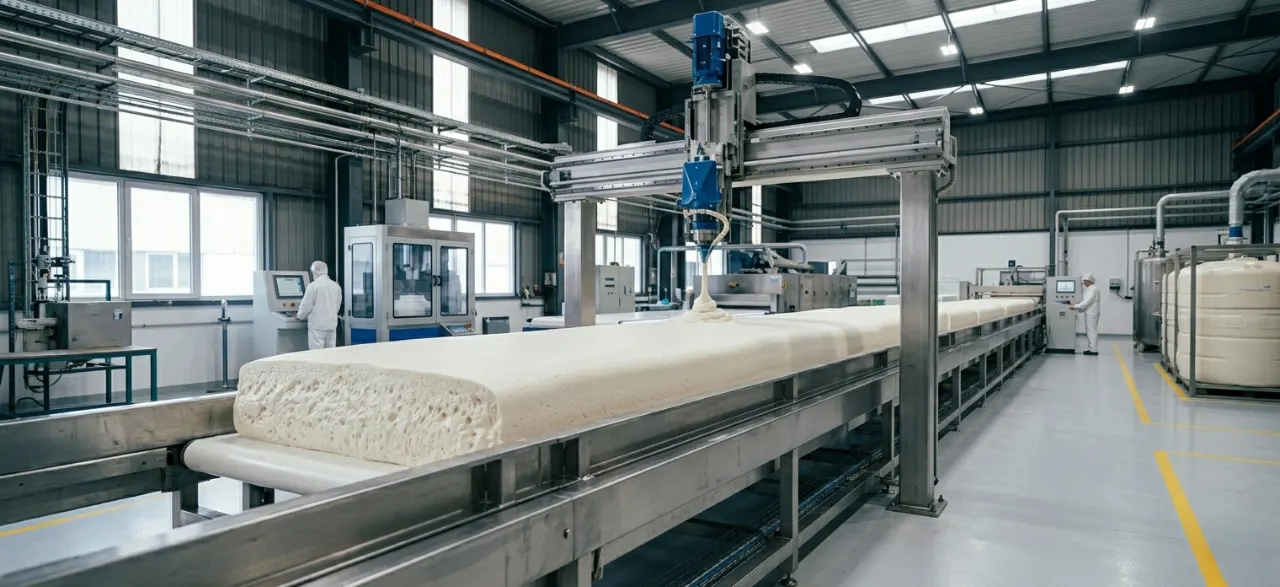
Modern polyurethane foam making machines feature high-precision mixing systems that ensure uniform blending of raw materials. This leads to:
- Precise cell structure
- Decreased defects
- Improved mechanical strength
- Consistent product quality
Precision technology reduces human error and helps in maximising production efficiency.
Automation and Smart Controls
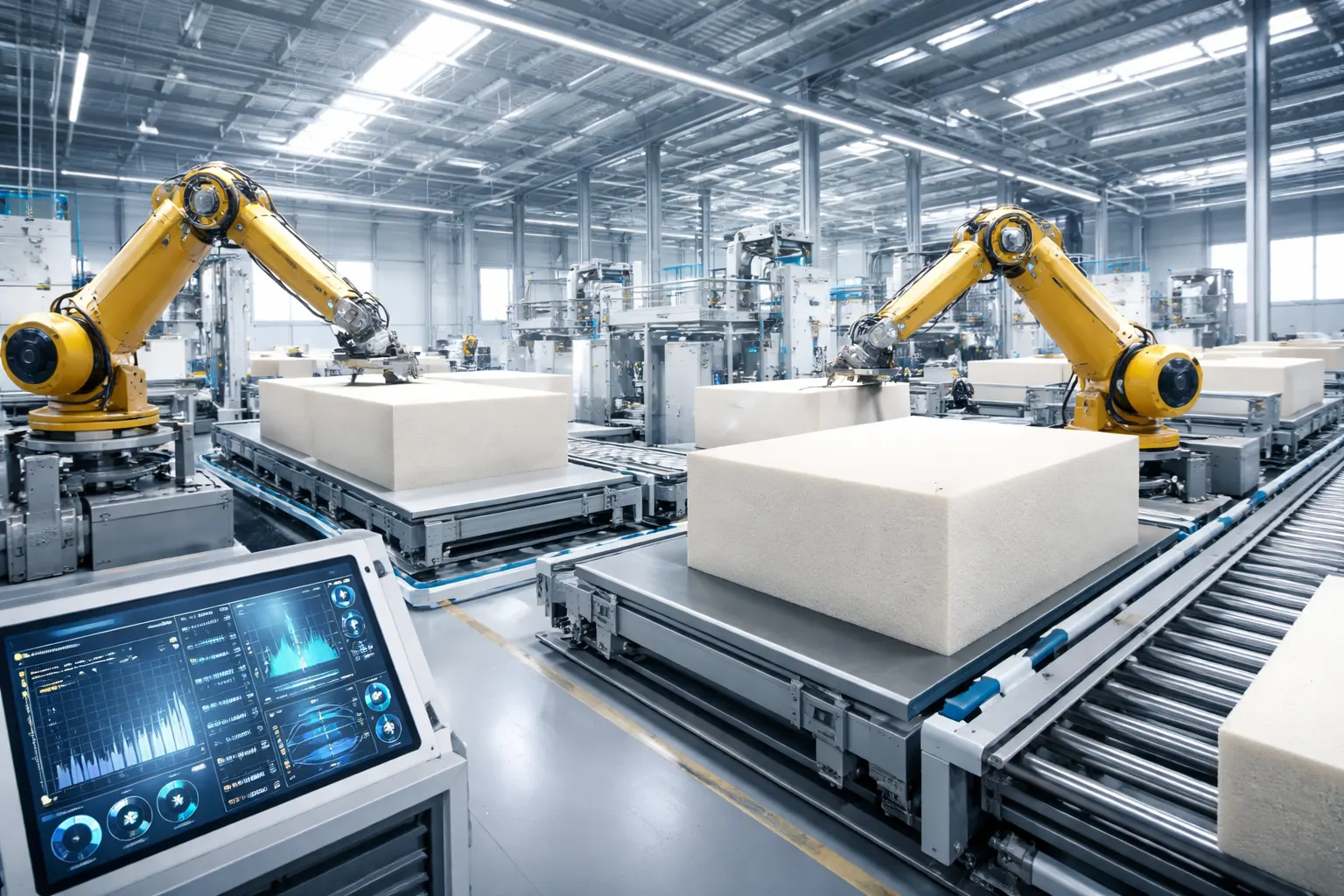
Automation has become a primary component of modern foam making technology. In fact, advanced machines are highly equipped with programmable logic controllers and digital interfaces that enable the operators to easily monitor and adjust parameters in real-time.
Long-term benefits include:
- Reduced downtime
- Enhanced safety
- Reduced operational costs
- Stable production output
Energy-Efficient Manufacturing Processes
New-generation foam machines are well-designed to optimise energy usage. Improved heating systems, optimised curing processes, and efficient motors help in reducing overall power consumption.
An energy-efficient polyurethane foam making machine helps manufacturers by reducing production costs while offering support for sustainable manufacturing practices.
Impact of Material Innovation on Foam Quality

Material innovations and advanced machinery have greatly enhanced foam performance, thereby delivering noteworthy improvements in terms of quality and reliability.
Improved Comfort and Resilience
Advanced formulations enable foam to retain its shape and elasticity for longer time periods. This becomes extremely important in mattresses, sofas, and seating products, as comfort and durability are important.
Enhanced Structural Strength
Innovative materials help in improving load-bearing capacity and compression resistance. A foam of exceptional quality performs better in applications like automotive seats and insulation panels.
Advanced Heat and Noise Insulation
Modern foam products provide excellent insulation properties, and this makes them an ideal choice for use in buildings, cold storage facilities, and soundproofing solutions.
Increased Customisation Options
With better and improved foam-making technology, manufacturers can easily customise foam density, hardness and texture-based customer requirements. This, in turn, helps the businesses serve niche markets and specialised industries.
Industrial Applications Benefiting from Innovation
Material innovation and advanced machinery have transformed multiple industries, including:
- Furniture and Bedding Industry: High-resilience foam that is made using advanced polyurethane foam making machines helps in delivering comfort, extended durability, and enhanced customer satisfaction.
- Automotive Industry: Modern vehicles make use of specialised foam for seating, insulation, and vibration control, with improved materials helping with better safety, durability, and overall comfort.
- Construction and Insulation: Innovative foam materials provide excellent thermal insulation and moisture resistance, thereby providing support for the development of energy-efficient and sustainable buildings.
- Packaging Industry: Lightweight and shock-absorbing foam helps in protecting and safeguarding delicate products during transportation, reducing damage, minimising returns, and improving supply-chain efficiency.
Future Trends in Foam Manufacturing
The overall future of foam manufacturing is driven by thorough research and technological integration. Some emerging trends have been listed below:
- AI-powered production monitoring
- Fully-automated smart factories
- Increased use of recycled materials
- Development of biodegradable foam
Final Thoughts
Material innovation is completely changing the landscape of the foam industry by enhancing product performance, sustainability, and manufacturing efficiency. With advanced formulations, eco-friendly raw materials, and performance-enhancing additives are seamlessly reshaping foam characteristics.
In fact, when it is combined with modern polyurethane foam making machines and intelligent foam making technology, these innovations result in superior quality, consistency, and customisation.
For manufacturers who are planning to stay competitive, investing in advanced materials and next-gen machinery is no longer an option, but a necessity! As technology continues to progress, material innovation will remain a primary factor behind the future of high-quality foam production.