The foam manufacturing sector plays a crucial role in supplying materials for furniture, bedding, automotive, insulation and packaging industries. Though the industry is continuously evolving, there is a high-level of risk involved since it also includes handling hazardous chemicals, high-temperature equipment, and complex machinery. Without proper safety measures, these risks can lead to serious accidents, production losses, and regulatory issues.
So, implementing strong foam production safety practices and maintaining strict foam factory safety standards is needed to ensure the well-being of employees, operational stability, and long-term business success. By adhering to well-defined safety protocols, manufacturers can easily lower risks, improve compliance, and create a secure working environment.
This blog will explore the important safety measures that every foam manufacturing unit should adopt to build a responsible and efficient production facility.
Why is Safety Important in Foam Manufacturing?
Foam production includes chemical reactions, mechanical processes, and thermal operations that can be extremely risky if not handled with care and caution. Exposure to toxic fumes, equipment malfunction, fire hazards, and improper handling of raw materials are some of the common risks in this sector.
But effective foam production safety systems will help manufacturers:
- Prevent workplace injuries and health hazards
- Reduce downtime caused by accidents
- Ensure regulatory compliance
- Protect the reputation of the company
- Improve workforce confidence and productivity
Creating a Strong Safety Management System
A well-structured safety management system is the backbone of any reliable manufacturing unit as it ensures that all the safety practices are documented, monitored, and continuously improved.
Primary components include:
- Written safety policies and procedures
- Clear roles and responsibilities
- Emergency response plans
- Incident reporting mechanisms
Adhering to the recognized foam factory safety protocols will enable businesses to align their operations with national and international safety regulations.
Proper Handling and Storage of Chemicals
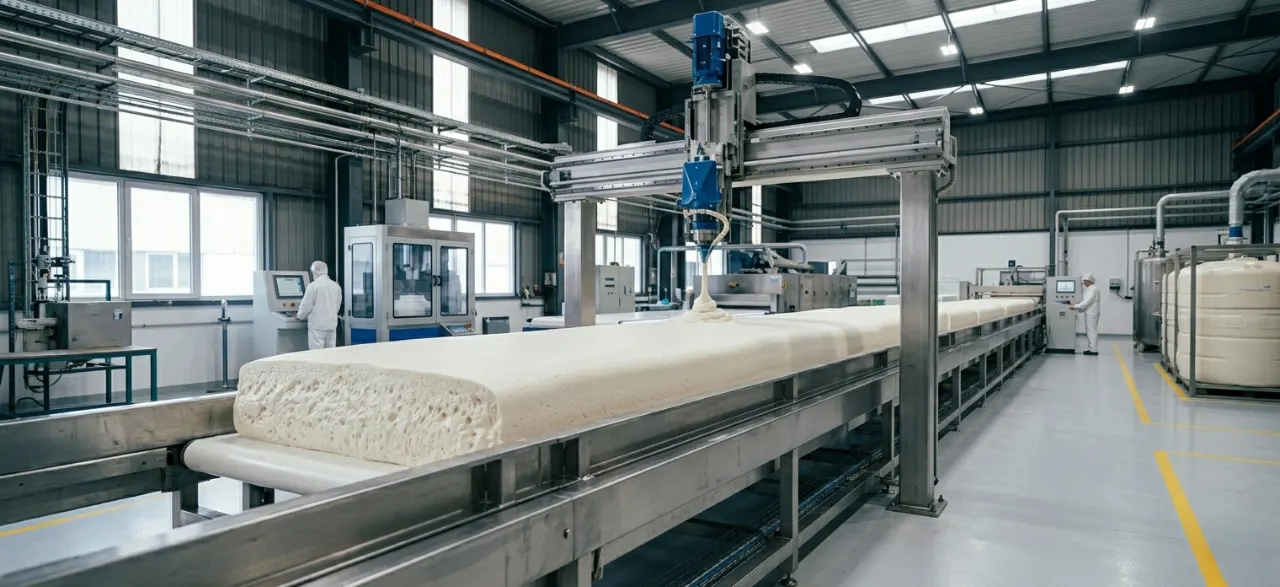
Foam production is dependent on chemicals, including polyols, isocyanates, catalysts, and blowing agents. Improper handling of these substances will result in serious health problems and fire risks.
Best practices consist of:
- Storing chemicals in well-ventilated areas
- Using clearly labelled and sealed containers
- Maintaining temperature-controlled storage conditions
- Installing effective spill containment systems
- Providing up-to-date safety data sheets (SDS) for all the materials
Therefore, workers should be trained to understand chemical hazards and what safety procedures will help them in strengthening foam production safety.
Ensuring Sufficient Ventilation and Air Quality
During the process of foam production, chemical reactions help in releasing vapors and fumes that can be harmful if inhaled. In addition, poor air circulation can lead to respiratory problems and lifelong health issues.
Proper ventilation systems should include:
- Fume extraction units
- Exhaust fans installed near production zones
- Fresh air circulation systems
- Regular air quality monitoring
Maintaining a clean air flow is an important element of foam factory safety standards, and it further supports a healthier workplace.
Machine Safety and Equipment Maintenance
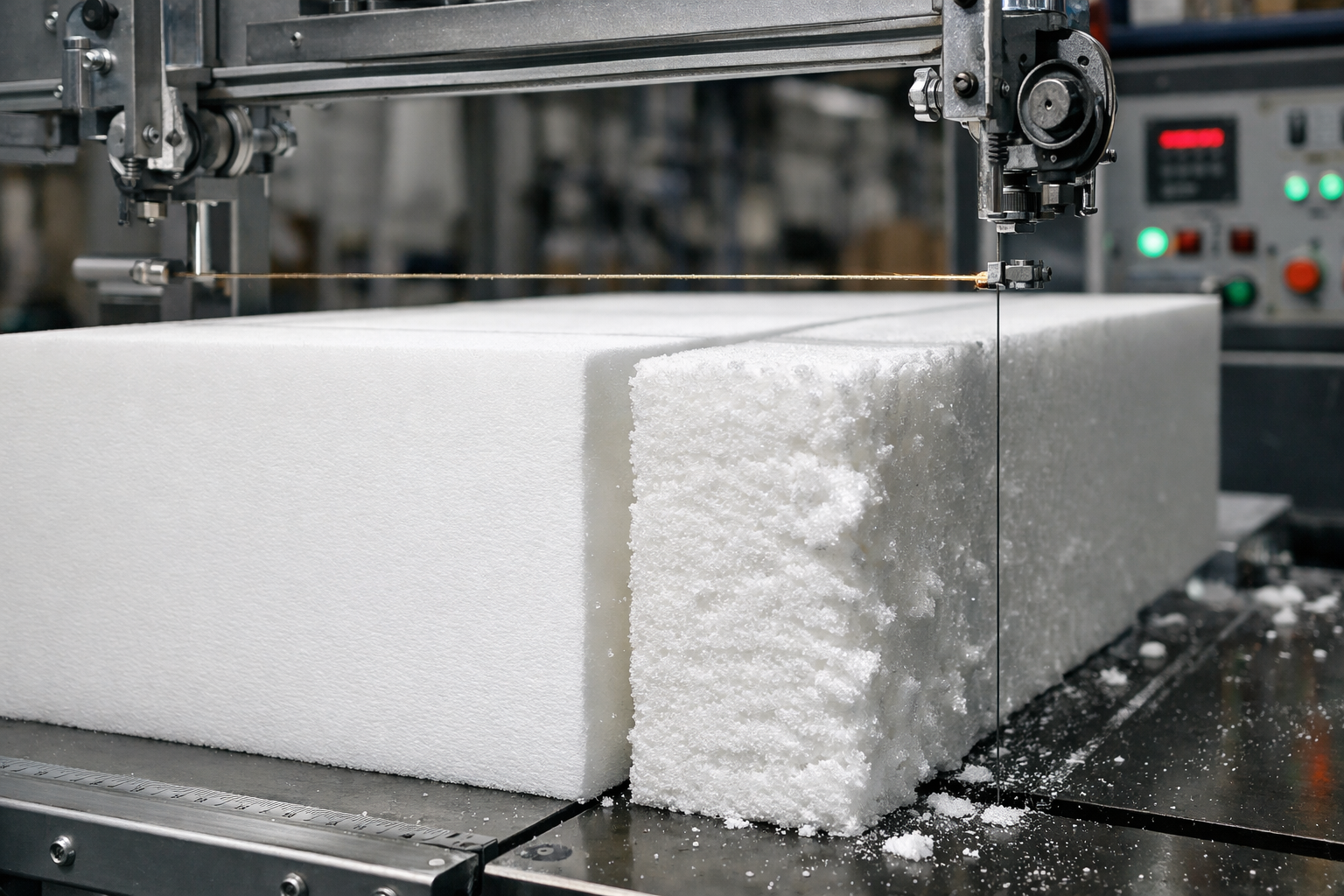
Foam manufacturing units use mixers, foaming machines, cutters, conveyors, and curing systems. Faulty equipment can cause serious injuries and production delays.
Important safety measures consist of:
- Installing safety guards and covers
- Using emergency stop buttons
- Keeping maintenance logs
- Conducting routine inspections
- Implementing preventive maintenance schedules
Well-maintained machinery will not only help in improving productivity, but it will also enhance foam production safety across the facility.
Employee Training and Safety Awareness
Even the most advanced systems can turn out to be ineffective without trained employees. The workers need to understand how to operate machines, handle chemicals, and respond to emergencies.
Training programs should cover the following modules:
- Fire prevention methods
- Use of personal protective equipment (PPE)
- Chemical safety guidelines
- Equipment operation procedures
- Emergency evacuation drills
Regular refresher sessions will help in reinforcing foam factory safety standards and keep workers alert to potential risks and hazards.
Use of Personal Protective Equipment (PPE)
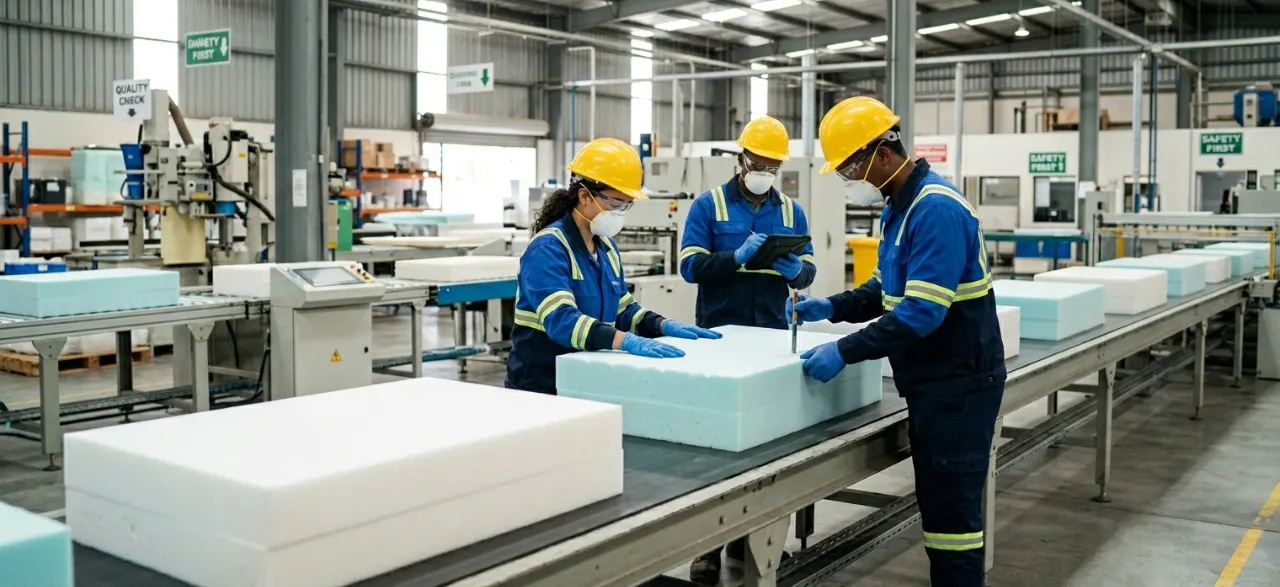
Personal protective equipment acts as a first line of defence against potential workplace hazards. Every foam manufacturing unit should be able to provide appropriate PPE and ensure its proper use.
A basic PPE kit should include:
- Chemical-resistant gloves
- Safety goggles
- Face shields
- Respiratory masks
- Protective clothing
- Safety shoes
Supervisors should carefully monitor PPE compliance and quickly replace the damaged equipment to maintain high foam production safety levels.
Fire Prevention and Emergency Preparedness
Foam production materials are mostly flammable, thereby making fire safety a major concern. Without proper planning, small incidents can easily become big ones.
Important safety measures include:
- Installing fire detection and alarm systems
- Creating clear evacuation routes
- Organising regular fire drills
- Storing flammable materials safely
A well-prepared emergency response system is a primary requirement of a foam factory safety standards.
Waste Management and Environmental Safety
Foam production involves the generation of chemical wastes, scraps, and emissions. Inappropriate waste management can affect both the workers and the environment.
Effective waste management involves:
- Emissions monitoring
- Adherence to approved waste management practices
- Segregation of hazardous and non-hazardous wastes
- Recycling of foam scraps
Environmental practices promote foam production safety and assist in enhancing corporate credibility.
Role of Technology in Enhancing Safety
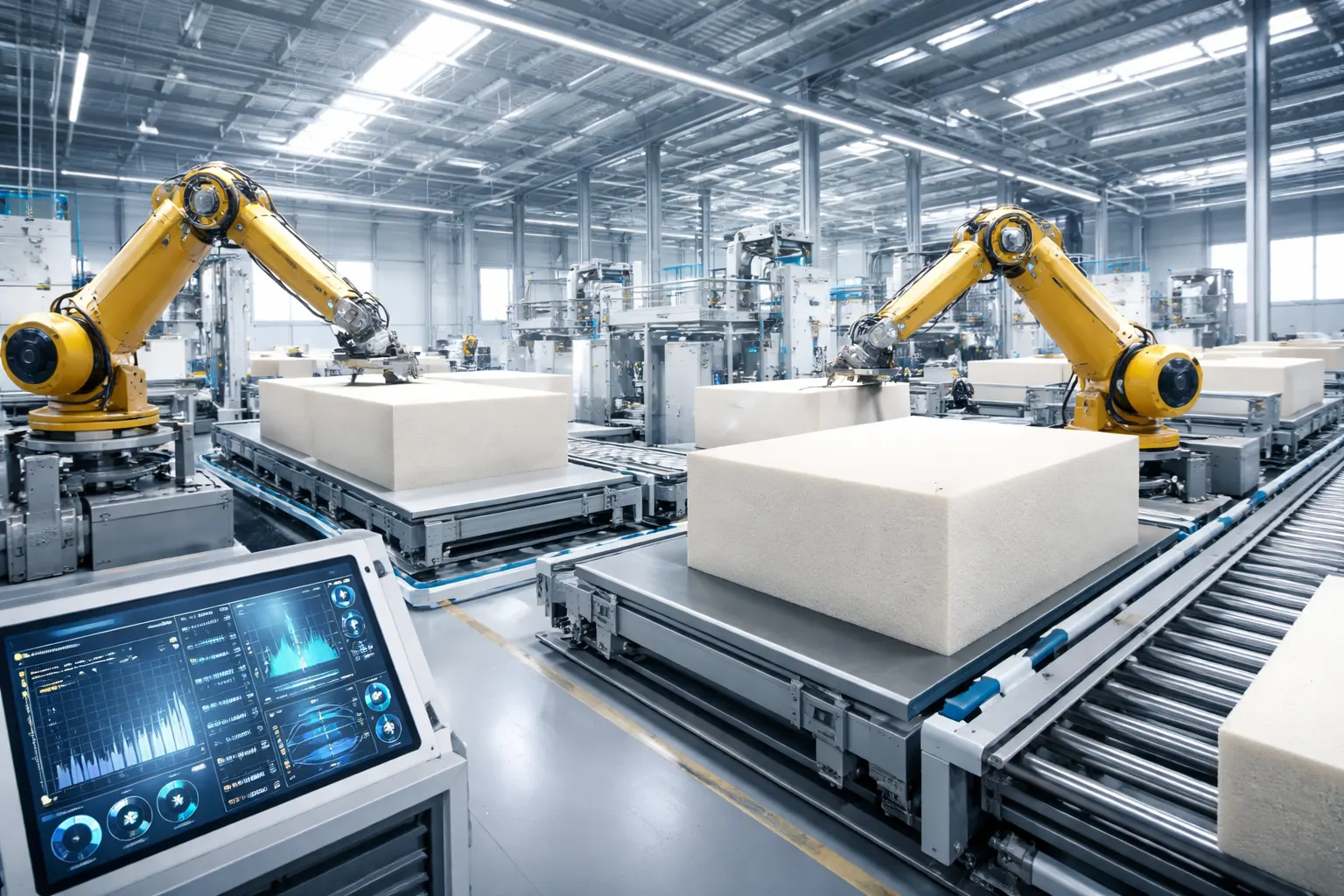
Technology has an important role to play in enhancing safety in the workplace. Monitoring systems and automation can be used to minimize human error.
Advanced safety technologies include:
- Real-time sensor monitoring
- Smart alarm systems
- Predictive maintenance software
- Automated chemical dosing systems
- CCTV surveillance
By seamlessly integrating these tools, manufacturers can easily strengthen foam production safety and ensure consistent risk control.
Long-Term Benefits of Strong Safety Protocols
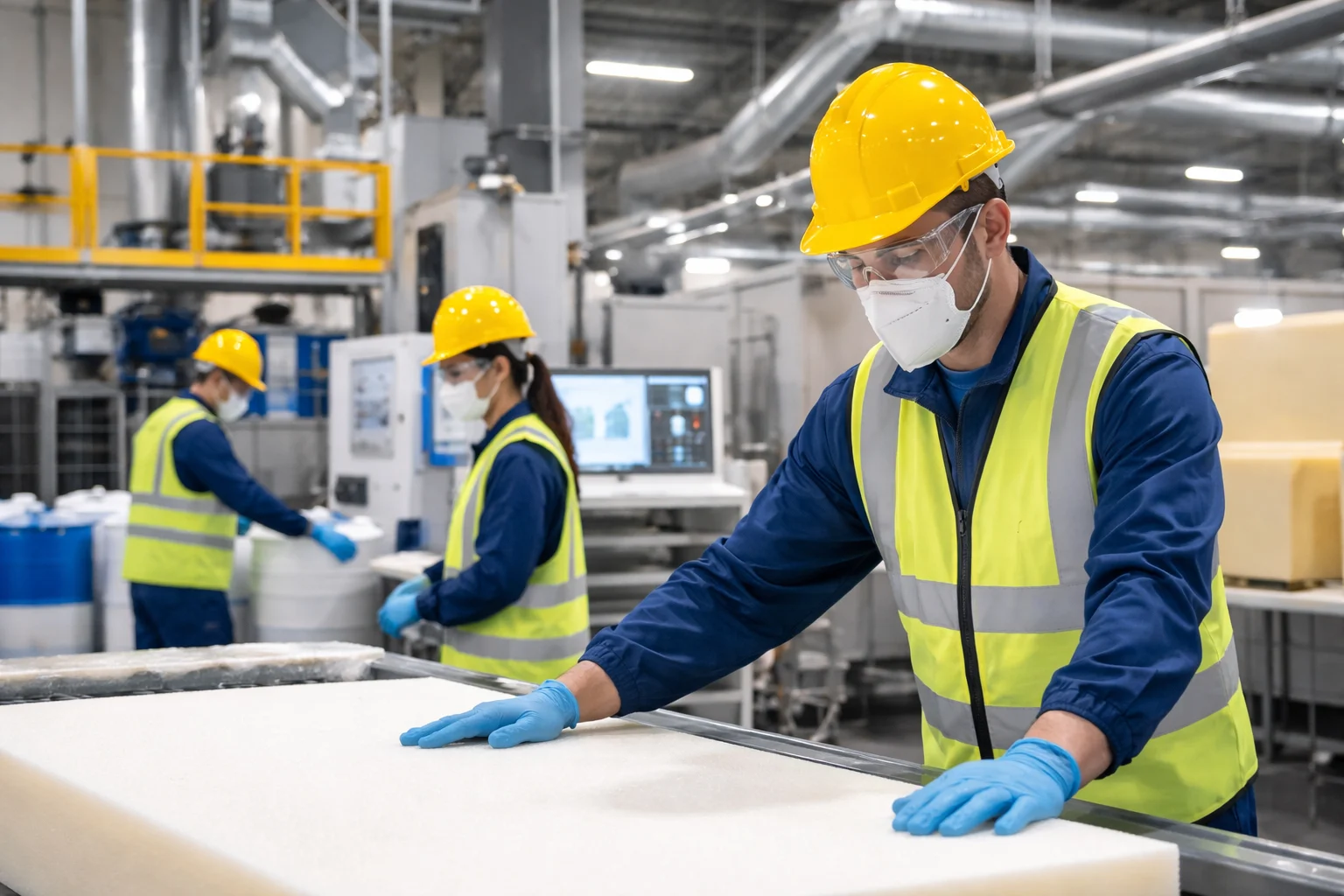
Investing in safety helps in delivering long-term benefits that go beyond regulatory compliance. A safe and secure working environment will help boost employee morale, reduce turnover, and enhance productivity.
Major benefits include:
- Improved operational efficiency
- Higher employee satisfaction
- Stronger brand reputation
- Sustainable business growth
Safety-focused organizations are better positioned to compete in the demanding global markets.
Wrapping Up
Safety is one of the basic principles of a successful foam production facility. From chemical handling and equipment maintenance to employee training and emergency preparedness, every aspect of production should be able to follow strict safety guidelines.
By adopting effective foam production safety procedures and adhering to established foam factory safety standards, it becomes easy to develop a safe, efficient, and compliant working environment. This is a critical step that not only helps to ensure the safety of employees but also enhances the stability of operations and profitability.