The foam manufacturing industry is evolving at a fast pace with the adoption of smart technologies, automation, and efficient production methods. In fact, modern factories are under pressure to improve productivity, reduce waste, and maintain uniform quality. This is where innovation and optimization play a crucial role.
Today, leading foam machine manufacturers are relying heavily on advanced systems and intelligent solutions to help the factories achieve better performance. From automation to energy efficiency, there are several smart ways to upgrade operations in modern foam production facilities.
Embrace Automation and Smart Technology
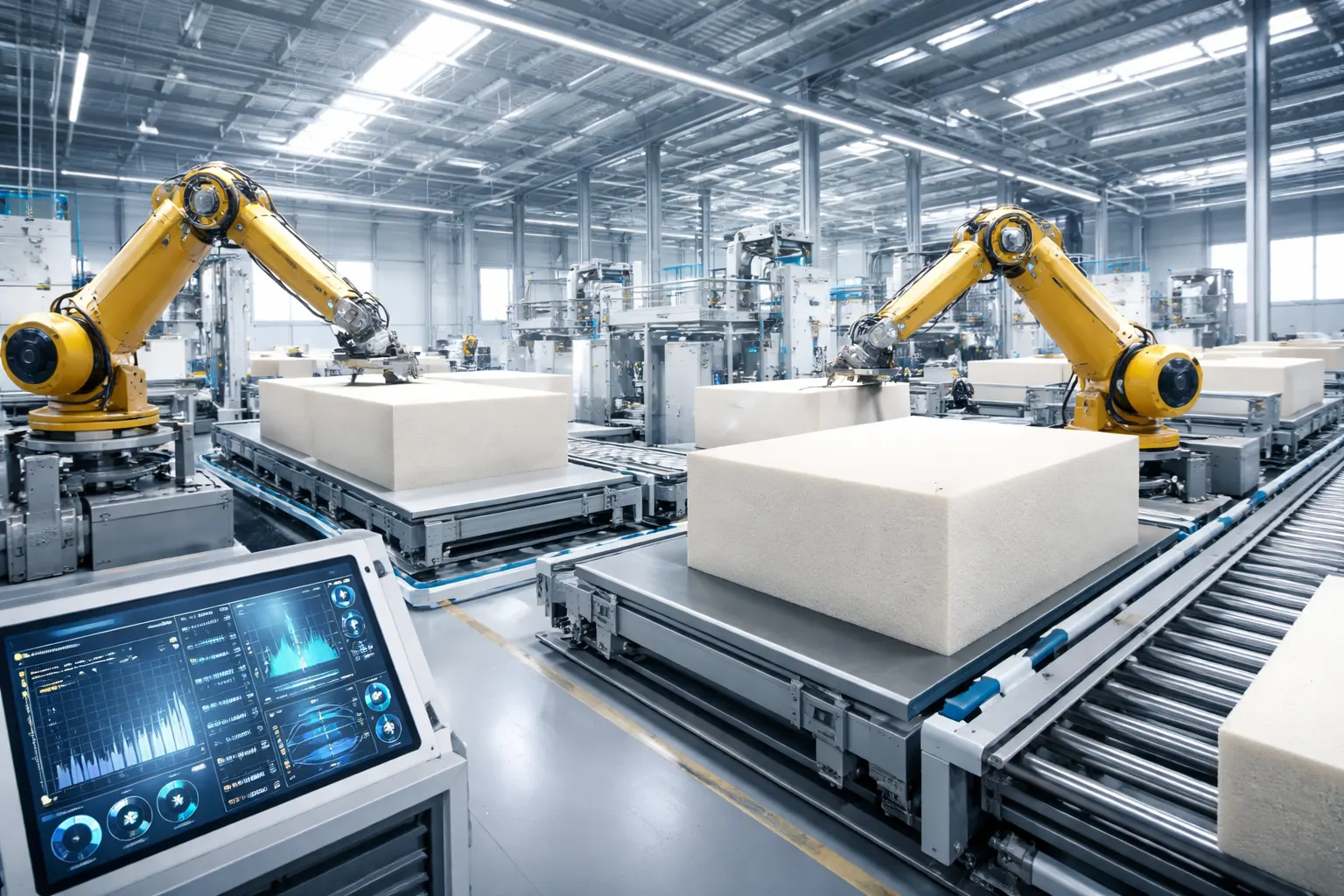
Automation is one of the most significant game changers in foam manufacturing. Modern systems use sensors, robotics, and programmable controls to manage the entire production process.
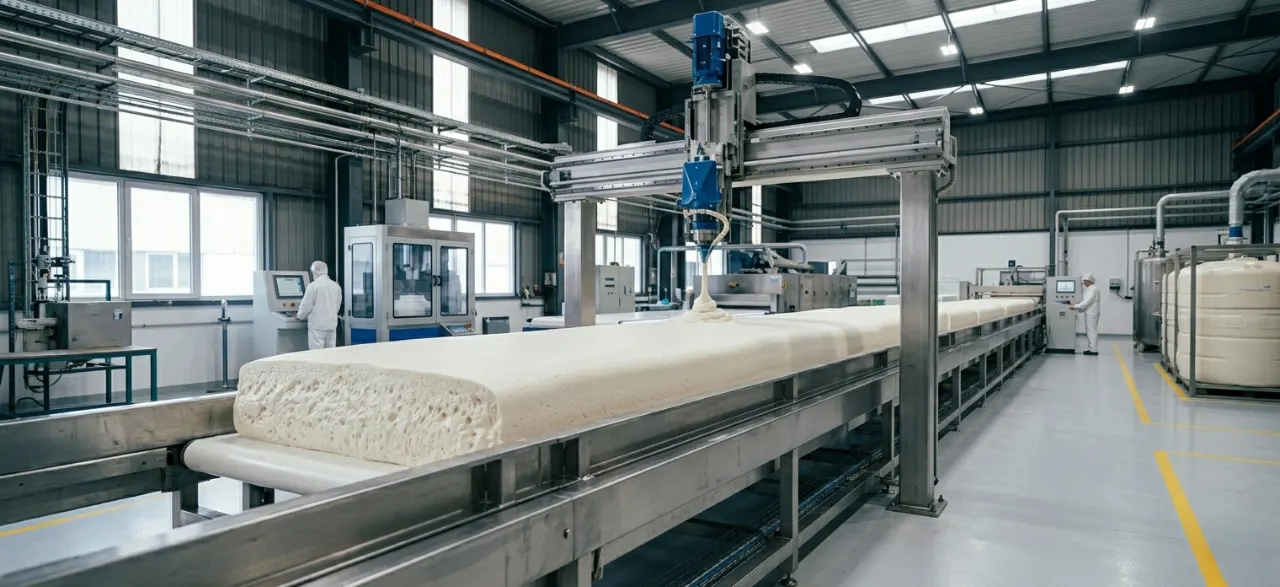
Advanced PU foam manufacturing machine setups can help you by accurately controlling raw material mixing, temperature, and pressure. This ensures uniform quality across batches while reducing human errors. In addition, automation also speeds up the production cycle and reduces downtime.
Optimise Raw Material Usage
Various raw materials, such as polyols and isocyanates, are costly, and they are subject to frequent price changes. Well, efficient use of these raw materials is important for cost control.
Factories can help by optimising formulations and improving mixing accuracy to reduce material waste. Even slight improvements in ratios and chemical usage can greatly enhance yield and profit margins.
The majority of the PU foam machine manufacturers now design machines with precision dosing systems to ensure minimal wastage and better uniformity in foam quality.
Improved and Enhanced Energy Efficiency
Foam production is energy-intensive, especially during the curing processes. High energy consumption increases operational expenses and environmental impact.
But modern factories can reduce energy usage by:
- Making use of only energy-efficient machinery
- Installing smart energy monitoring systems
- Optimizing heating and curing cycles
Well, energy-efficient processes not only help in lowering costs, but they also enable manufacturers to meet sustainability goals, and they are becoming critical in the industry.
Reduce Waste and Enhance Recycling
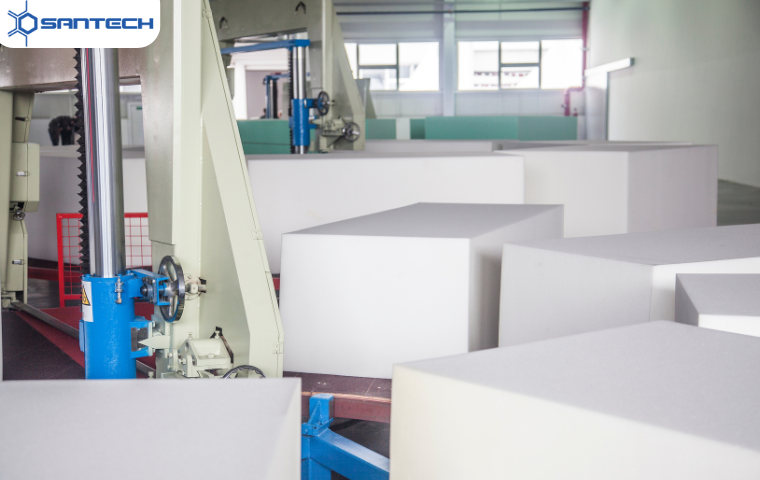
Well, waste management is one of the major challenges in foam manufacturing. Scrap foam that is generated during production often goes unused, and it contributes heavily towards the environmental issues.
So, to properly optimize the performance, factories should:
- Reuse scrap foam where possible
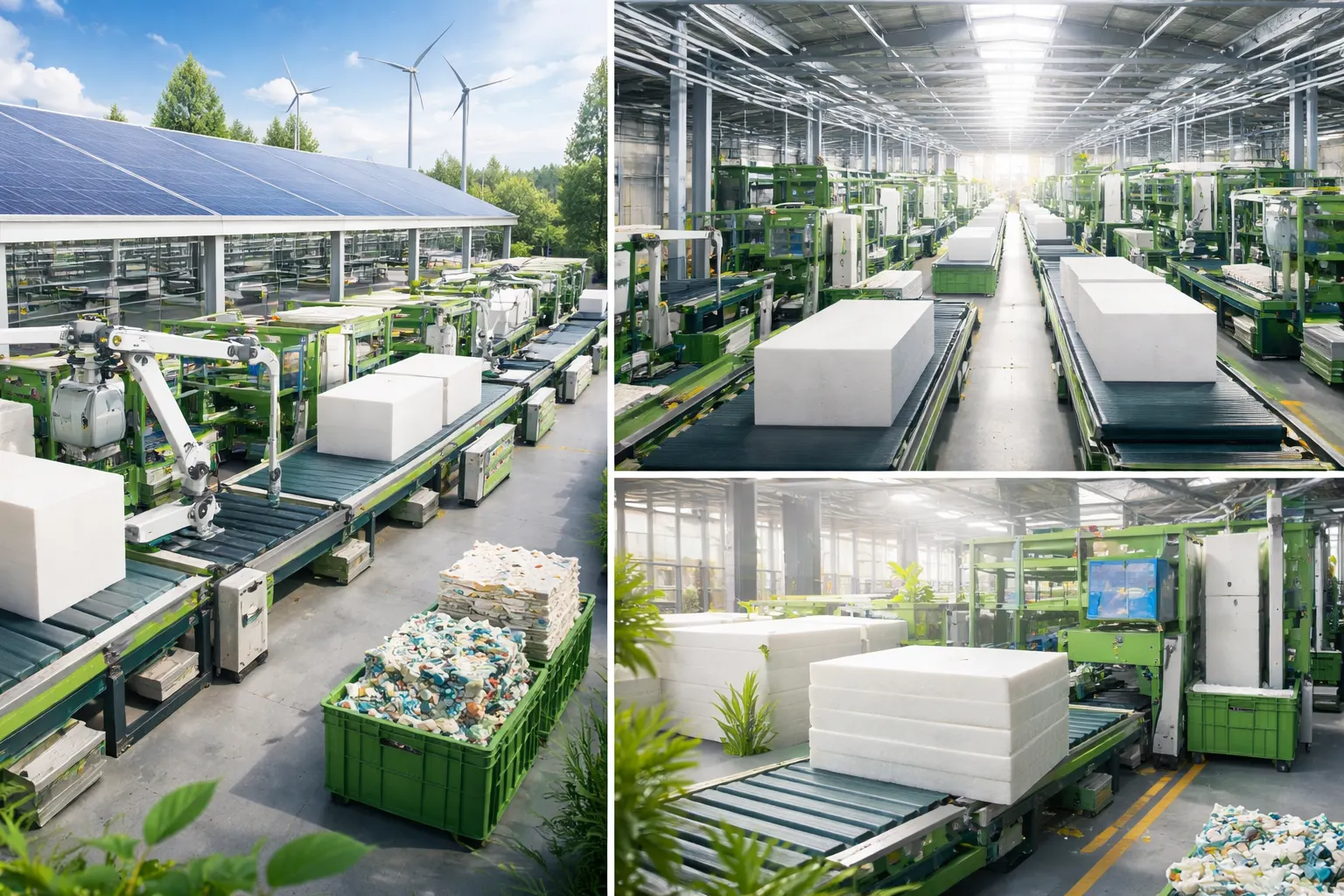
- Invest in recycling technologies
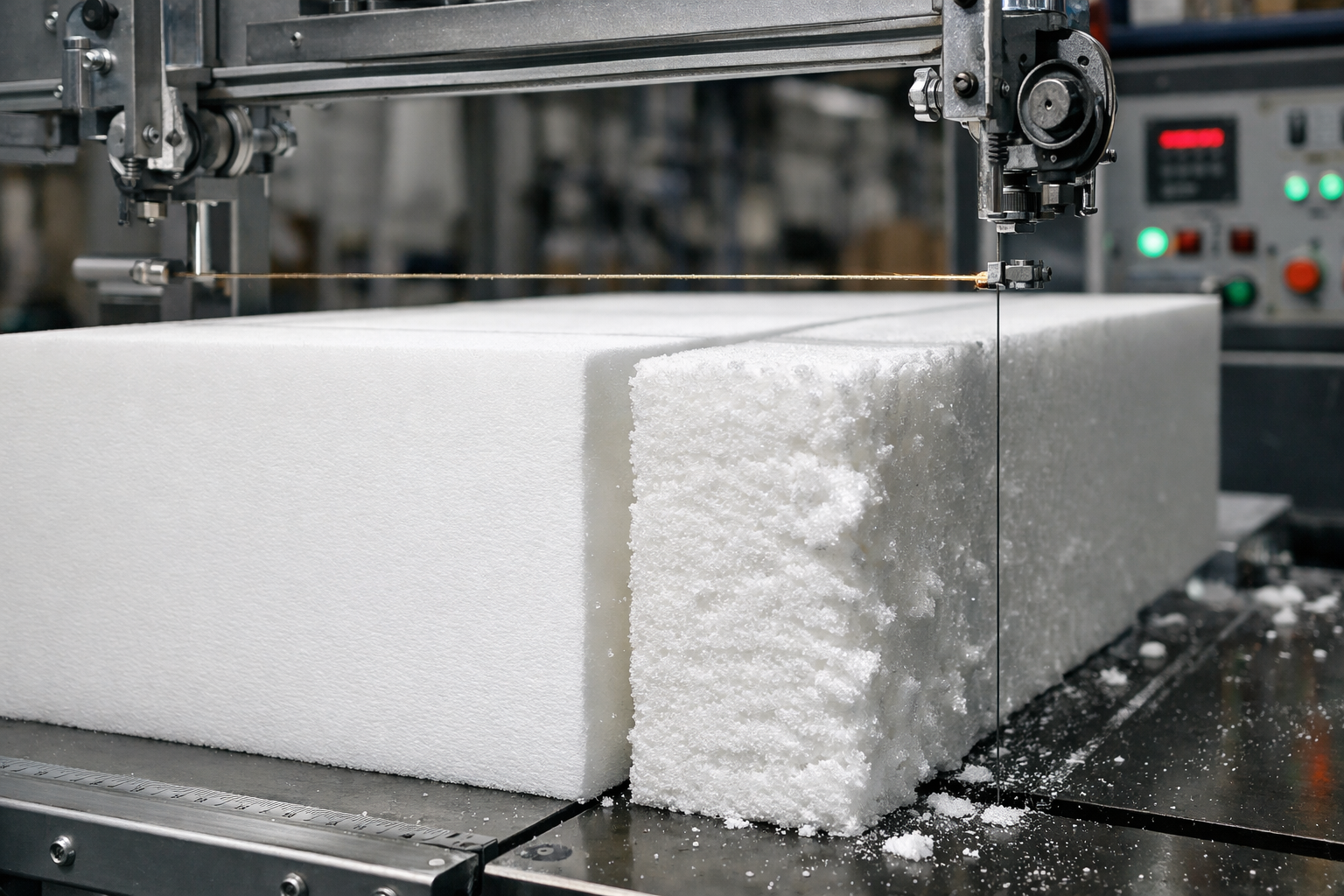
- Improve cutting and shaping processes
Reducing waste directly helps in improving production efficiency and profits while supporting sustainable manufacturing processes.
Streamline Production Processes
Inefficient workflows can slow down production processes and also increase operational expenses. Today, the modern foam factories should focus more on streamlining operations by interlinking different production stages.
For instance:
- Connecting mixing, foaming, cutting, and packaging systems
- Using centralised control systems
- Reducing manual handling
Integrated systems in a PU foam manufacturing machine can significantly improve workflow coordination and reduce delays.
Focus on Quality Control
Maintaining uniform production quality is critical for customer satisfaction and brand reputation. Any kind of variations in foam density, structure, or durability can lead to product rejection and losses.
Smart quality control methods should include:
- Automated inspection systems
- Real-time data tracking
- Standardised production parameters
Automation ensures that each batch meets the required specifications, thereby reducing rework and returns.
Invest in Skilled Workforce and Training
Even with advanced machines, skilled operators are important. Lack of expertise can result in inefficiencies and production-related errors.
Therefore, factories should:
- Offer regular training to the workers
- Educate teams on new technologies
- Encourage safety practices
This is extremely important because foam manufacturing involves handling chemicals, which can cause health-related problems if not managed properly.
Adopt Sustainable Manufacturing Practices
Sustainability is becoming central to the foam industry. In fact, even manufacturers are shifting their focus toward eco-friendly processes to reduce environmental impact.
Smart practices consist of:
- Using low-VOC materials
- Switching to eco-friendly blowing agents
- Reducing emissions and waste
Additionally, modern foam machine manufacturers are providing machines that support greener production methods, helping factories stay compliant with rules.
Use Data-Driven Decision Making
Data analytics has completely transformed the landscape of manufacturing industries, including foam production. By seamlessly analyzing production data, factories can easily identify inefficiencies and improve processes.
Smart factories use:
- Production tracking software
- Predictive maintenance systems
- Performance analytics tools
These are some of the vital technologies that can reduce downtime, improve machine lifespan, and enhance overall productivity.
Upgrade to Advanced Machinery
Outdated and old equipment can easily limit production capacity and efficiency. Investing in modern machinery is important for long-term growth.
An advanced machine provides:
- Faster production cycles
- Better automation
- Lower energy consumption
Upgrading to high-performance systems from trusted PU foam machine manufacturers ensures improved operational efficiency and better ROI.
Wrapping Up
Optimising performance in modern foam factories requires a perfect combination of technology, process improvement, and smart decision-making. By adopting automation, reducing waste, improving energy efficiency, and investing in advanced machinery, manufacturers can easily enhance productivity and profit margins.
As the industry continues to grow, partnering with reliable foam machine manufacturers and adopting modern solutions will be essential to staying competitive.
FAQs
- How can automation improve foam manufacturing efficiency?
Automation helps reduce human errors, speeds up production, and ensures uniform product quality through precise control systems.
- Why is energy efficiency important in foam factories?
Energy efficiency is important, as it helps in reducing operational expenses and also reduces environmental impact, thereby making production more sustainable.
- What role do PU foam manufacturing machines play in optimization?
A PU foam manufacturing machine ensures precise material mixing, faster production cycles, and improved overall efficiency.
- How can foam factories reduce waste?
Factories can easily reduce waste by optimizing raw material usage, recycling scrap foam, and improving cutting processes.
- Why should manufacturers invest in modern machinery?
Modern machines provide better automation, higher efficiency, and lower operational expenses, making them important for long-term growth.