The foam manufacturing industry is evolving rapidly as sustainability and eco-friendly initiatives are taking center stage. Well, today, the manufacturers are not only focused on productivity but also on reducing environmental impact. With advanced technologies and smarter processes, companies are looking for different ways to make foam production cleaner, safer, and more efficient.
From using eco-friendly materials to upgrading machinery like PU foam manufacturing machine systems and foam cutting machine solutions, the industry is moving towards a greener and cleaner future.
Shift Towards Eco-Friendly Raw Materials
One of the biggest changes in foam production is the use of sustainable raw materials. Conventionally, foam was made using petroleum-based chemicals, and that led to a rise in carbon emissions. But now, the manufacturers are making a move towards bio-based alternatives such as plant-derived polyols.
These materials help reduce dependency on fossil fuels and lower greenhouse gas emissions. In addition, they also support the circular economy by using renewable resources and agricultural by-products.
This is an important shift that not only helps the environment but also improves the overall sustainability of foam products.
Adoption of Eco-Friendly Machinery
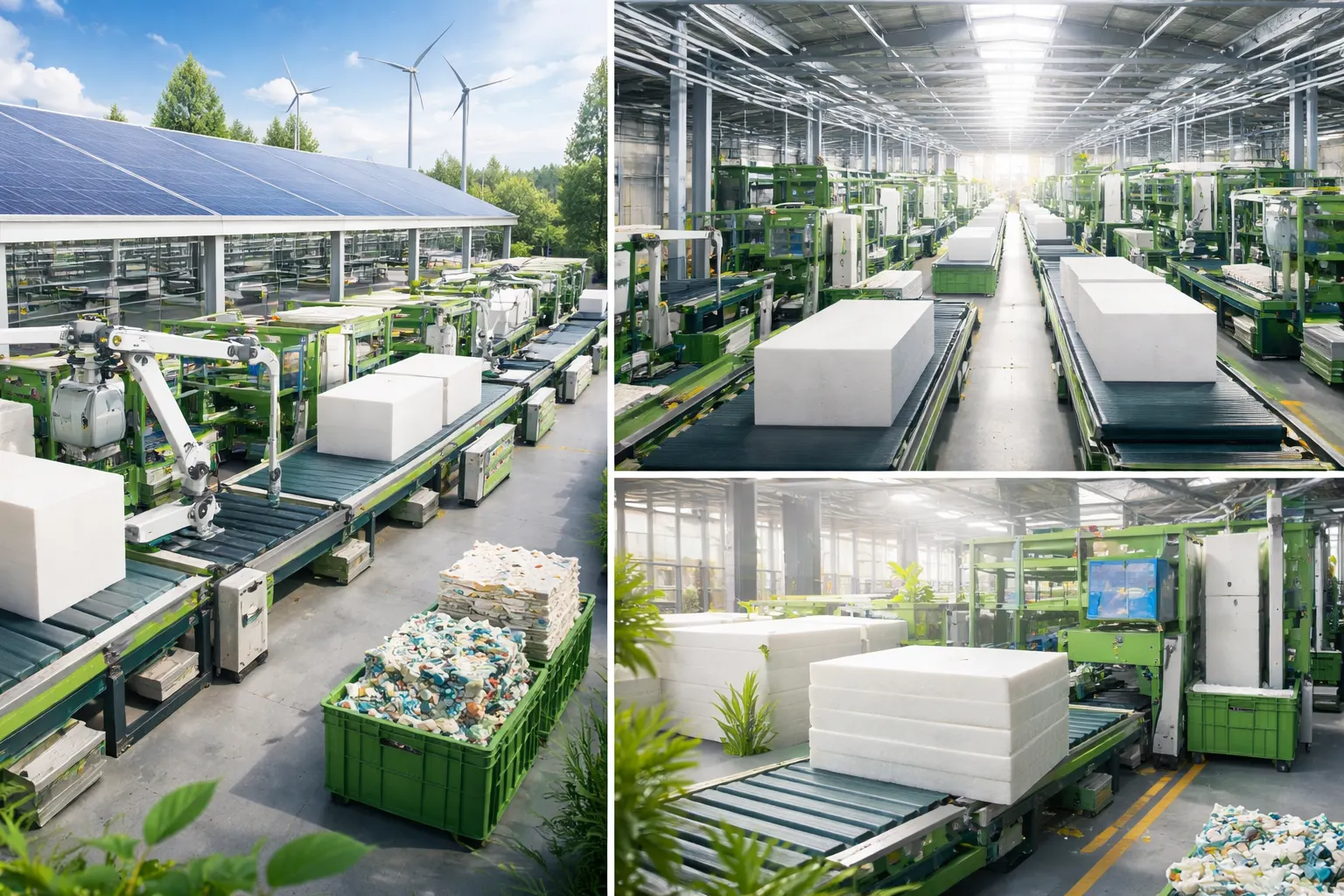
Modern foam machine manufacturers are designing machines that are eco-friendly and highly energy-efficient. Advanced systems, especially eco-friendly polyurethane machines, are playing an important role by reducing the overall carbon footprint of production.
These machines use low global warming potential (GWP) blowing agents rather than conventional harmful chemicals. This reduces emissions and also helps combat climate change.
Instead of using conventional hazardous chemicals, these machines use low Global Warming Potential (GWP) blowing agents. This reduces emissions and helps combat climate change.
In addition, these machines:
- Consume less energy
- Optimize material usage
- Reduce potential waste
Reduction in Waste Generation
Waste reduction is a key focus area in modern foam production. In the earlier times, large amounts of foam scrap would end up in landfills. However, today, with the advent of advanced machinery, it ensures accurate mixing and material usage, which helps reduce waste.
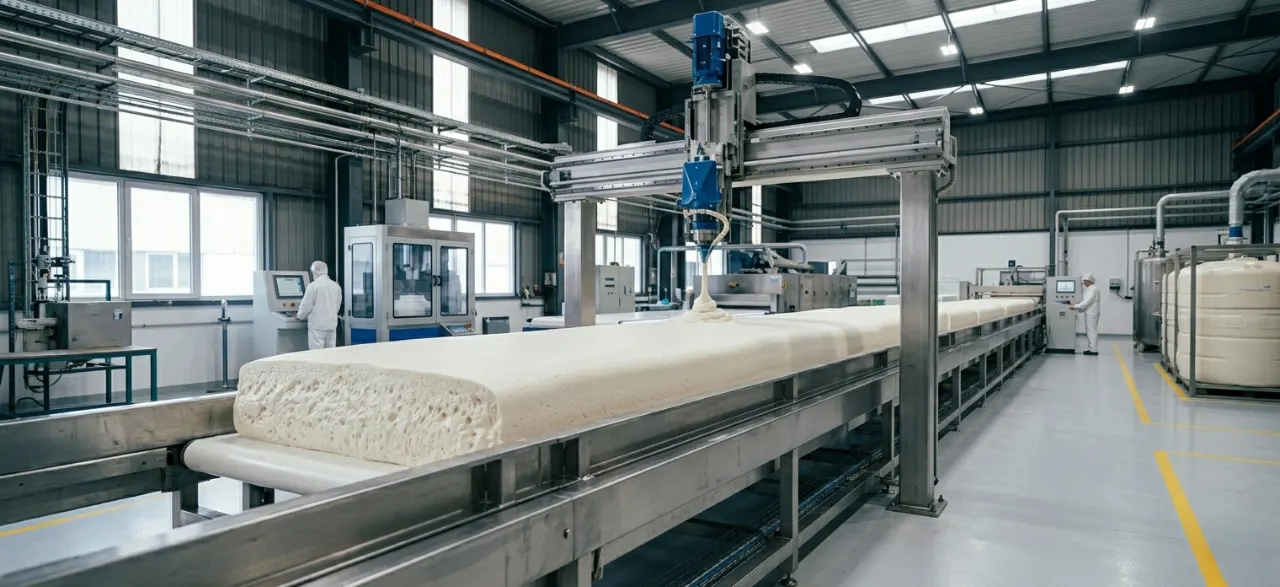
For instance, a PU foam manufacturing machine makes use of accurate metering systems to ensure that the right amount of raw material is used. This helps in reducing excess material and also prevents unnecessary waste.
Moreover, the majority of the manufacturers recycle leftover foam using rebonding techniques. The scrap foam is used for creating new products, reducing landfill waste, and conserving raw materials.
Energy Efficiency in Production
Energy consumption is another important area where continuous improvements are being made. Modern foam production facilities are designed to use less energy without compromising on output.
Eco-friendly machines feature:
- Optimized mixing systems
- Better insulation
- Continuous production processes
These are some vital innovations that help reduce electricity usage and operational expenses.
Improved Air Quality and Worker Safety
Conventional foam production includes harmful chemicals that have the potential to affect air quality and workers’ health. Today, safer alternatives are being used.
Modern processes focus on:
- Low-toxicity blowing agents
- Reduced volatile organic compounds (VOCs)
- Cleaner production environment
Apart from protecting workers, it also ensures safer end products for the consumers.
Role of Automation and Precision Technology
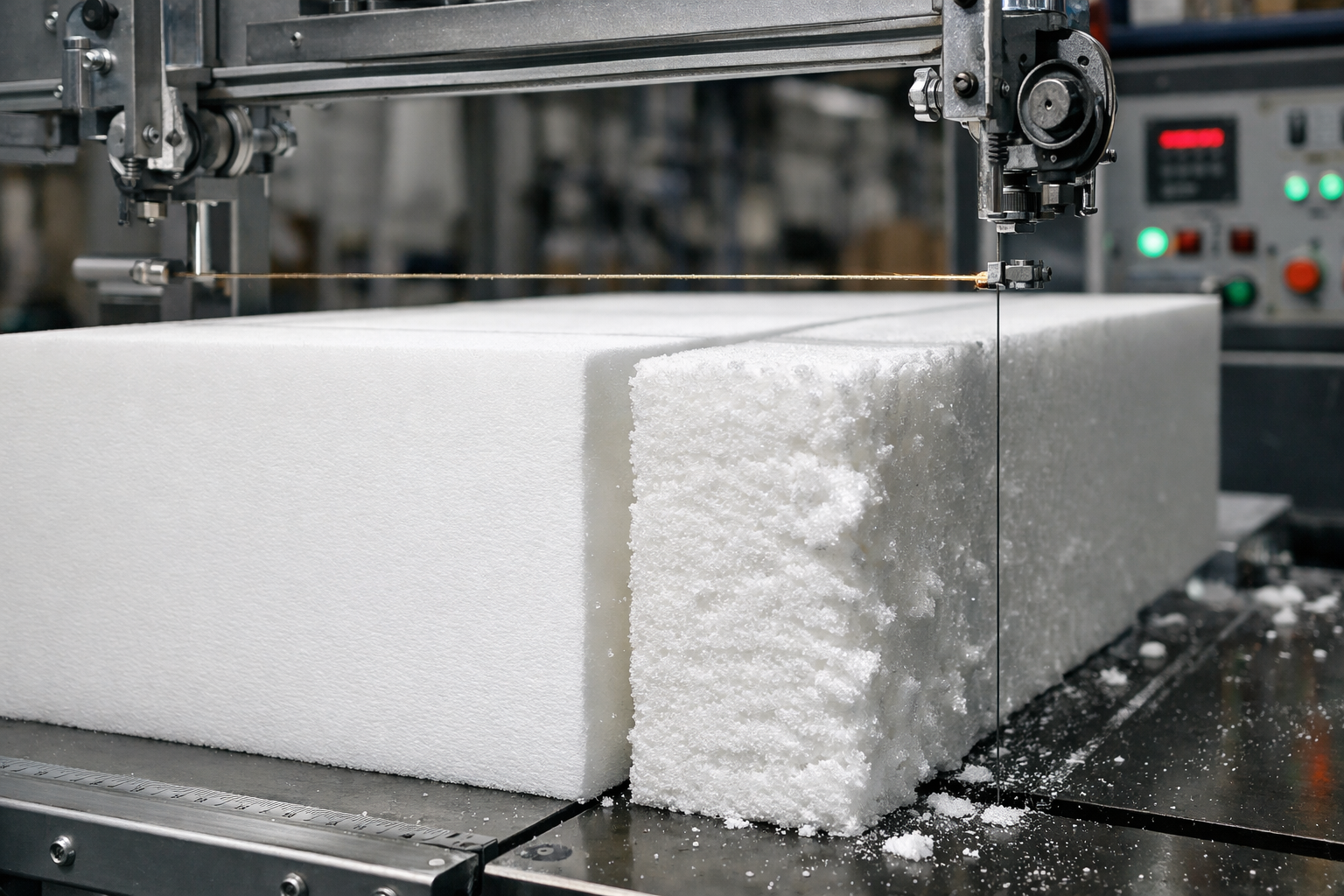
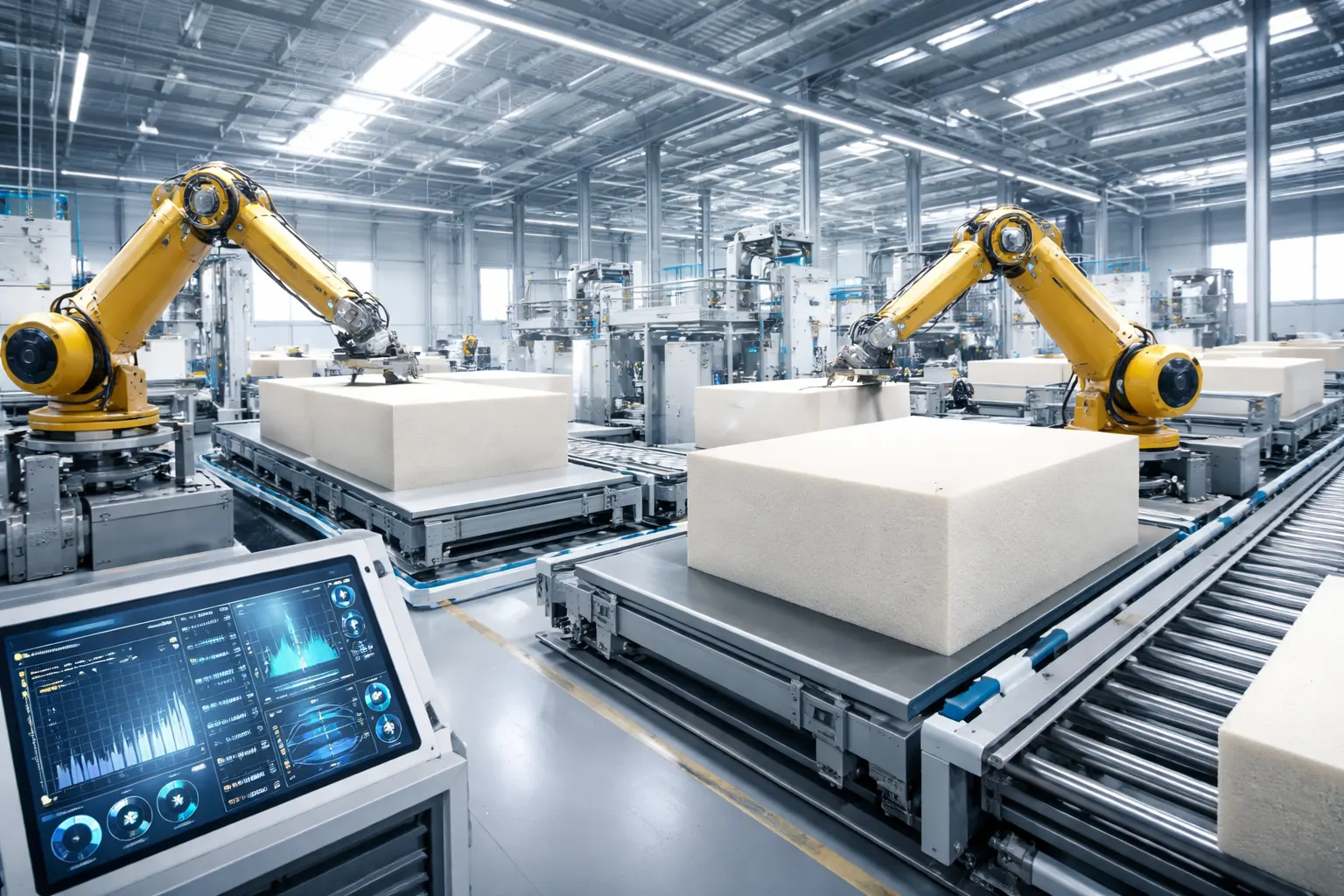
Automation is playing an important role in reducing environmental impact. Advanced machines, such as foam cutting machine systems, function with a high degree of accuracy.
These machines:
- Reduce errors and material wastage
- Improve production consistency
- Minimise rework and defects
With better control over the manufacturing process, companies can easily achieve a higher degree of efficiency while reducing resource consumption.
Use of Closed-Loop Systems
Another important innovation is the adoption of closed-loop production systems. These are capable enough to capture and reuse materials during manufacturing, reducing emissions and waste.
For instance:
- Solvents are recycled rather than being released into the environment
- Excess materials are reused in the production cycle
This approach ensures that there is minimal environmental impact and offers support for sustainable manufacturing practices.
Focus on Sustainable Product Design
Manufacturers are also giving thought to how products are being designed. The focus is now on creating durable, recyclable, and eco-friendly foam.
This consists of:
- Developing recyclable foam products
- Improving product lifespan
- Using safer chemical compositions
Such innovations ensure that the foam products have a lower environmental impact throughout their lifecycle.
Future of Sustainable Foam Manufacturing
The future of foam manufacturing lies in continuous innovation and sustainability. As consumer demand for eco-friendly products is rising, manufacturers are investing more in green technologies.
Foam machine manufacturers are expected to have highly advanced solutions that will combine efficiency with sustainability. From smarter automation to greener materials, the industry is all set to become environmentally more responsible in the coming years.
FAQs
How are foam manufacturers reducing environmental impact?
Manufacturers are making use of eco-friendly materials, energy-efficient machines, and waste reduction technologies to lower their carbon footprints.
What is the role of a PU foam manufacturing machine in sustainability?
A PU foam manufacturing machine helps in improving efficiency, reducing material waste, and using eco-friendly chemicals, making the production process more sustainable.
How do foam cutting machines help in reducing waste?
A foam cutting machine ensures precise cutting, which reduces material wastage and improves overall production efficiency.
Are eco-friendly foam products safe?
Yes, eco-friendly foam products are designed with low toxicity and reduced VOC emissions, thereby making them a safe choice for both the users and the workers.
What is the future of foam manufacturing?
Well, the future focuses on sustainable materials, advanced machinery, and energy-efficient processes to reduce environmental impact while maintaining high production standards.