
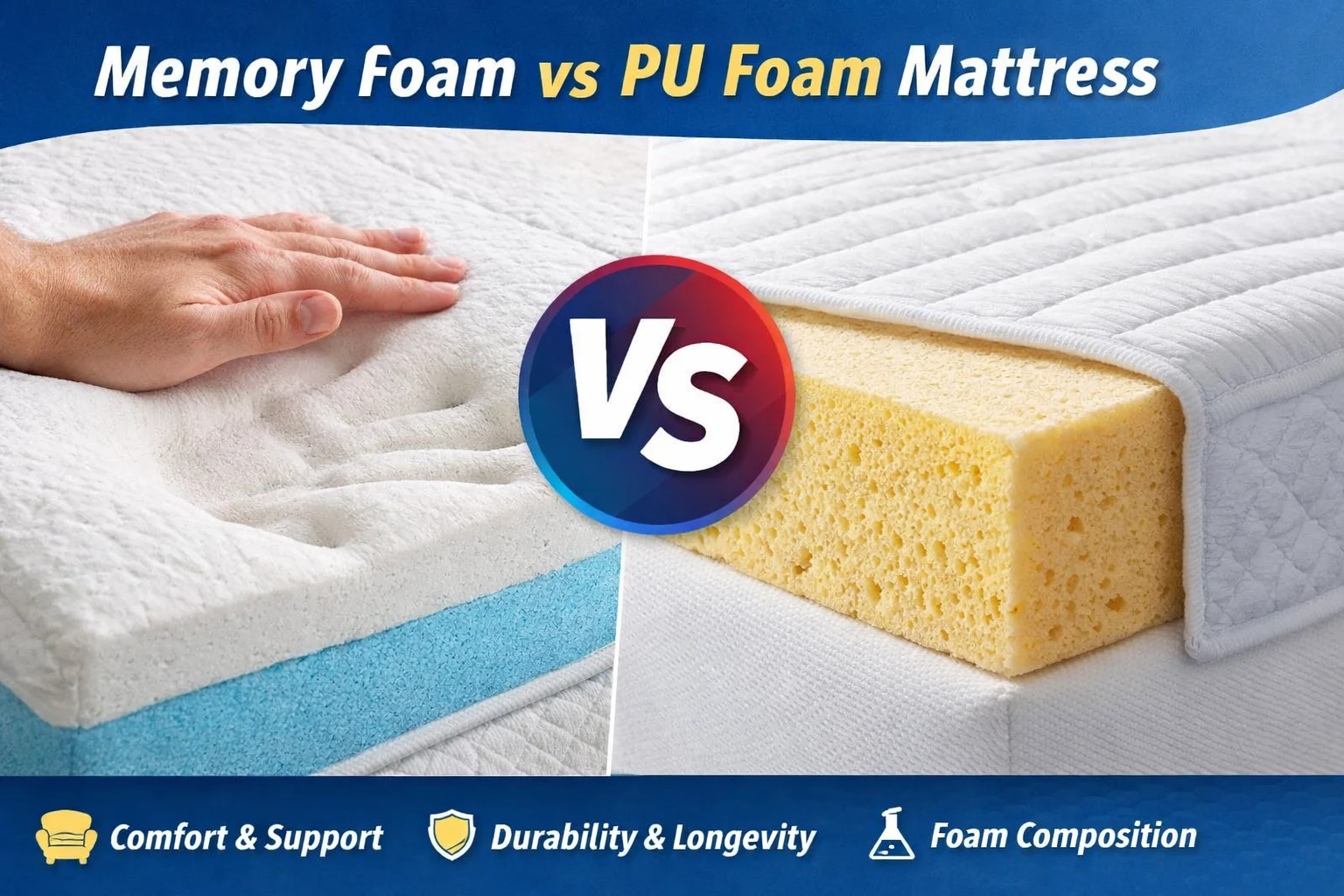


When comparing mattresses, one of the most common questions is: What is the difference between PU foam vs memory foam? PU Foam vs Memory Foam is a popular comparison because, although both materials are made from polyurethane, they differ in comfort, support, durability, responsiveness, and cost. PU foam is lightweight, affordable, and widely used in standard mattresses and furniture, whereas memory foam is engineered to contour to the body’s shape, providing superior pressure relief and motion isolation.
Understanding the differences between PU Foam vs Memory Foam helps consumers choose the right mattress for their sleeping preferences and enables manufacturers to select the most suitable foam for different applications. In this guide, you’ll learn how PU Foam vs Memory Foam compares in terms of features, durability, comfort, common applications, and which option is best for your needs.
The PU Foam Mattress
A PU foam mattress, also called polyfoam, is one of the most common types of foam used in mattress manufacturing. It is frequently used as a comfort layer in innerspring mattresses, while larger foam blocks can also be used to produce complete PU foam mattresses. Although the density and firmness of polyfoam can be adjusted to meet different comfort requirements, higher-density foams generally cost more because they require additional raw materials. To better understand how foam is made, it’s important to know that polyurethane foam is produced through a controlled chemical process that determines its density, resilience, and overall performance. Because of its affordability, versatility, and reliable comfort, PU foam remains one of the most widely used materials in the global mattress industry.
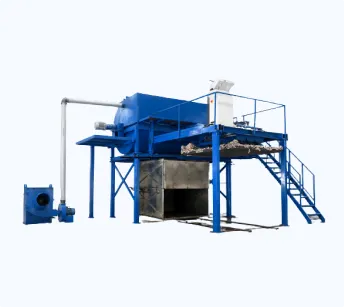
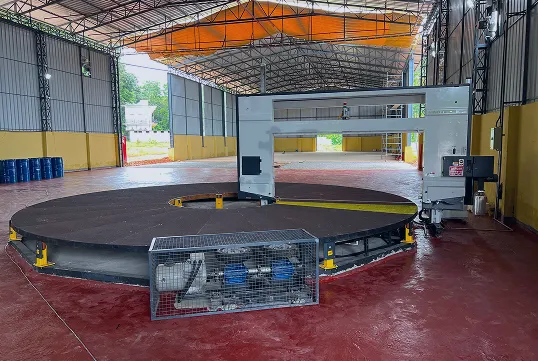
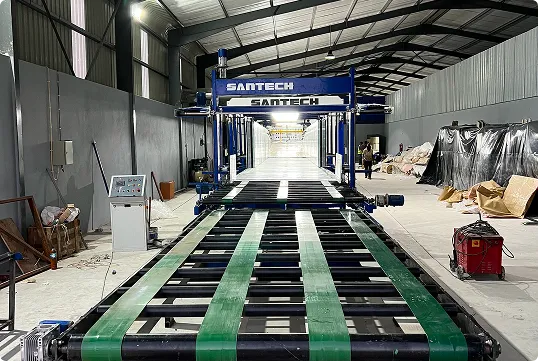
Polyurethane foam is available in three primary grades: standard, high-density, and high-resilience (HR) foam. Standard and high-density foams are commonly used as support or comfort layers in different mattress constructions, while high-resilience foam offers superior elasticity, durability, and long-term support. To achieve consistent quality and controlled foam properties, manufacturers rely on advanced machinery supplied by experienced polyurethane foam machine manufacturers.
The Memory Foam Mattress
A memory foam mattress, also known as viscoelastic polyurethane foam, is a specialized type of PU foam designed to respond to body heat and pressure. It slowly conforms to the body’s shape, helping distribute weight evenly and providing enhanced comfort and pressure relief during sleep. Memory foam is commonly used as a comfort layer in hybrid mattresses, while higher-density foam blocks can also be used to manufacture complete memory foam mattresses. The performance of memory foam depends on factors such as foam density, formulation, and manufacturing quality. Higher-density memory foam generally offers better durability, support, and resistance to sagging because it contains more foam material and has a stronger internal structure.
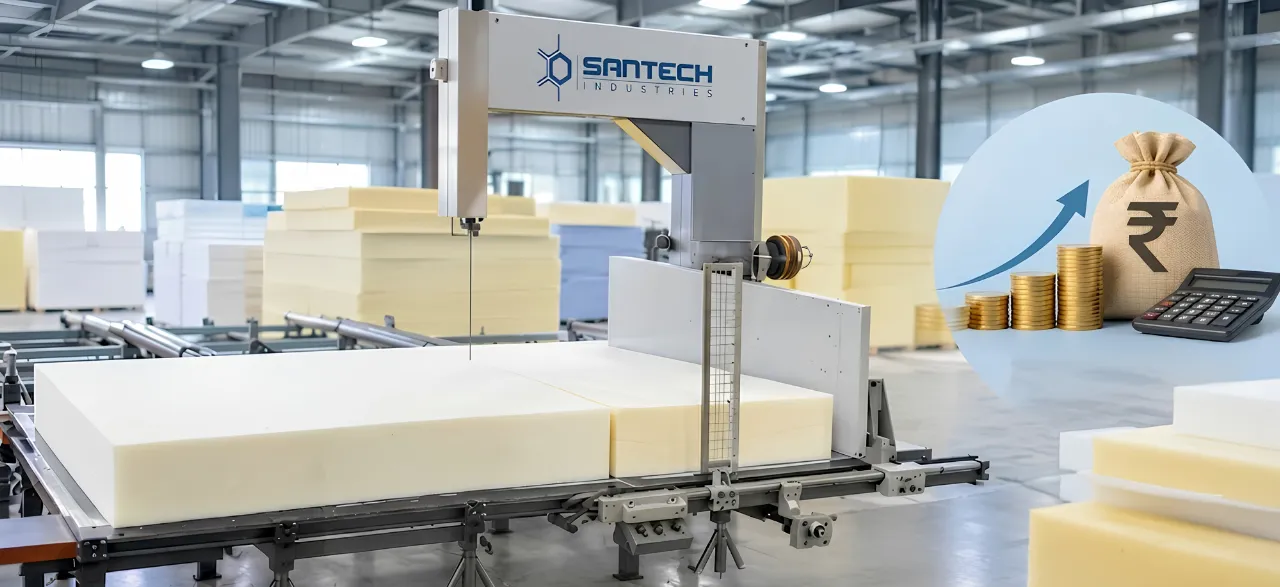
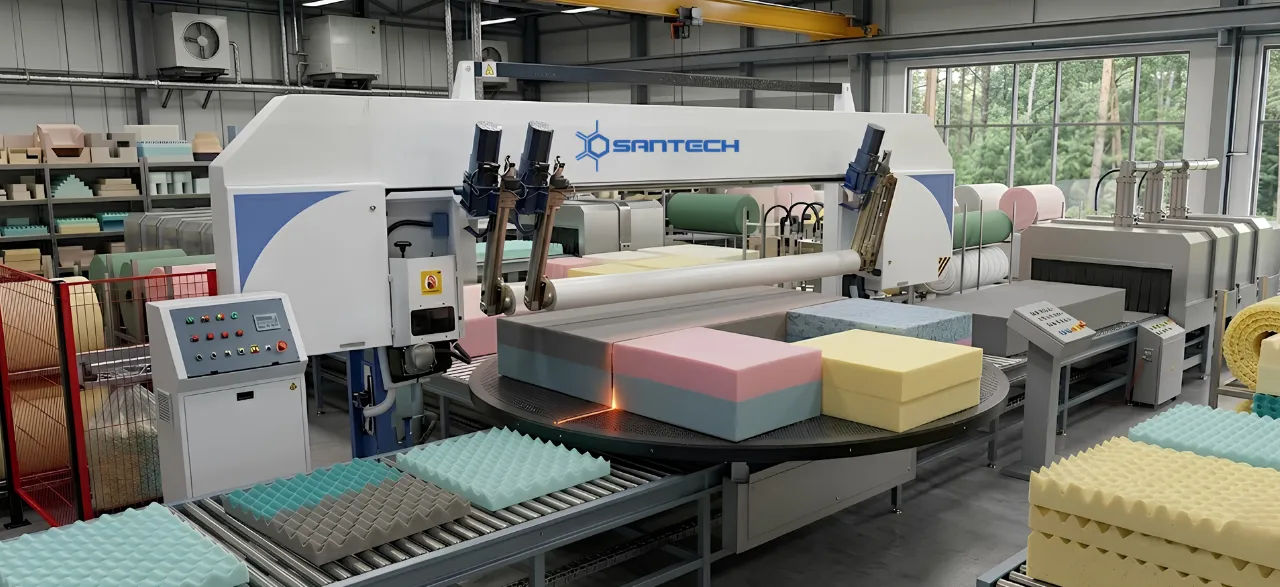
To achieve consistent quality, uniform density, and controlled foam properties, mattress manufacturers rely on advanced polyurethane foam production technology. Santech Foam Machines provides reliable PU foam manufacturing solutions that help producers maintain accurate mixing, efficient processing, and consistent foam output for memory foam mattress production. With advanced foam processing equipment, manufacturers can improve productivity while ensuring high-quality foam performance across different mattress applications.
What Differentiates PU Foam And Memory Foam
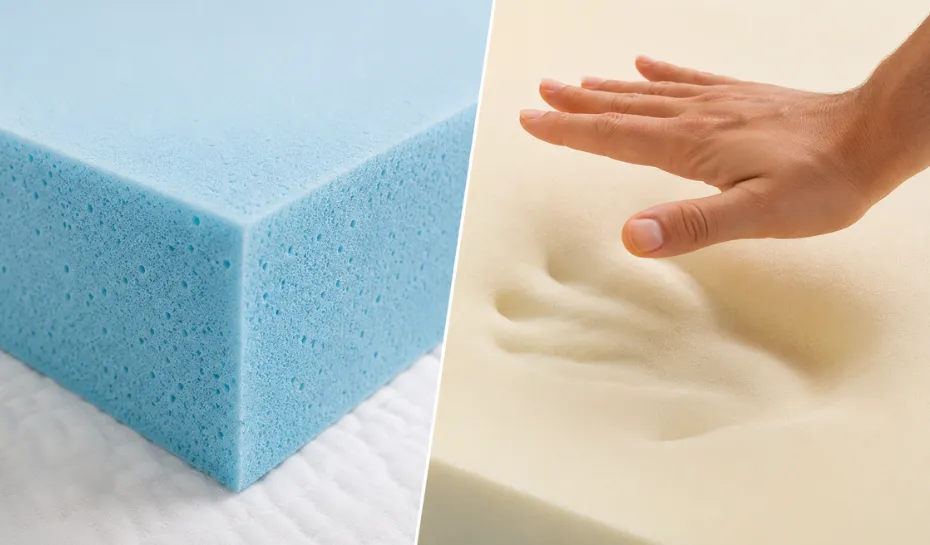
The primary difference between them is that memory foam contains extra chemicals that make it denser and viscous. Despite having a chemical connection, they feel very different from one another. Compared to memory foam, PU foam is far more “bouncy” or springy. On the other hand, Memory foam is recently gaining worldwide popularity due to its orthopaedic benefits as a novel solution for extreme comfort.
Durability & Lifespan Comparison
Durability and Lifespan of PU Foam vs Memory Foam
The durability of a mattress largely depends on foam density and quality, especially when using high density foam, which provides better support, resilience, and a longer lifespan.
-
Memory foam mattresses generally last longer when made with high-density foam, maintaining shape and comfort for many years.
-
PU foam mattresses vary in lifespan depending on quality, with higher-density PU foam offering better resistance to sagging and wear.
Maintenance & Care Tips
Proper care can significantly extend the life of both PU foam and memory foam mattresses.
-
Rotate the mattress every few months to prevent uneven wear.
-
Use a mattress protector to guard against moisture and dust.
-
Allow new memory foam mattresses to air out for a short period to reduce initial odor.
-
Avoid prolonged exposure to heat, which can affect foam performance.
Health & Safety Considerations
Both PU foam and memory foam mattresses may release a mild odor when new, caused by off-gassing. This is usually temporary and fades with proper ventilation.
When choosing foam products, it is advisable to look for certified foams that meet safety and environmental standards. High-quality foam reduces exposure to harmful chemicals and ensures safer long-term use.
Including this section reassures health-conscious buyers.
PU Foam vs Memory Foam: Feature Comparison
Choosing between PU foam and memory foam depends on factors such as comfort, support, durability, and budget. While both are made from polyurethane, they are designed for different purposes. PU foam is lightweight, affordable, and highly versatile, whereas memory foam is engineered to contour to the body’s shape and provide superior pressure relief.
| Feature | PU Foam | Memory Foam |
|---|---|---|
| Comfort | Medium to Firm | Soft and Body-Contouring |
| Support | Good | Excellent Pressure Relief |
| Bounce | High | Low |
| Durability | Good | Very Good |
| Heat Retention | Low | Higher |
| Cost | More Affordable | More Expensive |
| Best For | Furniture, Mattresses, Packaging | Premium Mattresses, Pillows, Orthopedic Products |
Both materials offer unique advantages, making the right choice dependent on the intended application and desired comfort level.
Who Should Choose Which Foam?
Which Foam Should You Choose?
You want superior pressure relief, body contouring, and enhanced comfort for better joint and back support.
You prefer a firmer feel, better airflow, affordability, and a foam that performs well in warmer climates.
Common Applications of PU Foam and Memory Foam
PU foam and memory foam are widely used across multiple industries because of their unique performance characteristics. While both materials are polyurethane-based, they are designed for different applications. PU foam is valued for its versatility, durability, and cost-effectiveness, making it suitable for furniture, packaging, automotive, and insulation products. Memory foam, on the other hand, is engineered to provide superior pressure relief and body contouring, making it a preferred choice for premium mattresses, pillows, orthopedic cushions, and healthcare products. Understanding the applications of each foam type helps manufacturers and consumers select the right material based on comfort, support, durability, and intended use.
| Application | PU Foam | Memory Foam |
|---|---|---|
| Mattresses | ✔ Standard and budget mattresses | ✔ Premium and orthopedic mattresses |
| Pillows | ✔ Supportive pillows | ✔ Contouring pillows with pressure relief |
| Furniture | ✔ Sofas, chairs, and cushions | Limited use in premium seating |
| Office Chairs | ✔ Seat and back cushions | ✔ Ergonomic office chairs |
| Automotive Industry | ✔ Vehicle seats, armrests, and headrests | Limited use in luxury seating |
| Medical Products | Limited use | ✔ Hospital mattresses, wheelchair cushions, and orthopedic supports |
| Packaging | ✔ Protective packaging for delicate products | ✘ Rarely used |
| Acoustic & Soundproofing | ✔ Sound absorption panels | ✘ Not commonly used |
The choice between PU foam and memory foam ultimately depends on the intended application. Manufacturers often select PU foam for products that require durability, affordability, and high-volume production, while memory foam is preferred for applications where comfort, pressure distribution, and long-term support are the primary requirements. Choosing the right foam improves product performance, customer satisfaction, and overall value.
Key Takeaway
PU Foam vs Memory Foam comes down to your comfort preferences, budget, and intended application. PU foam is lightweight, affordable, and versatile, making it ideal for standard mattresses, furniture, packaging, and industrial products. Memory foam, on the other hand, is engineered to contour to the body, providing superior pressure relief, motion isolation, and long-lasting comfort for premium mattresses and orthopedic applications.
Both foam types are manufactured using polyurethane technology, but their performance depends on the foam formulation, density, and production process. High-quality foam starts with precision manufacturing and reliable equipment.
Santech Foam Machine is a trusted manufacturer of advanced PU foam manufacturing machines, delivering innovative foaming solutions for consistent foam quality, improved production efficiency, and reliable industrial performance. Whether you’re producing standard PU foam or specialty foam products, our advanced machinery helps manufacturers achieve superior results.