

A good mattress is essential for quality sleep since it opens the door to a happy and successful life. A proper mattress will support your entire body comfortably while keeping your spine in a neutral position. It helps the body regain energy while also enhancing sleep quality. However, the most significant aspect of a good mattress is the quality and kind of foam. Although there are many kinds of foams manufactured in different foaming machines, some of them are used to make mattresses. Different kinds of foams significantly influence the texture and quality of the mattress. In this guide, we will understand the different types of foam used in manufacturing mattresses.
Types of Foam used in Mattresses
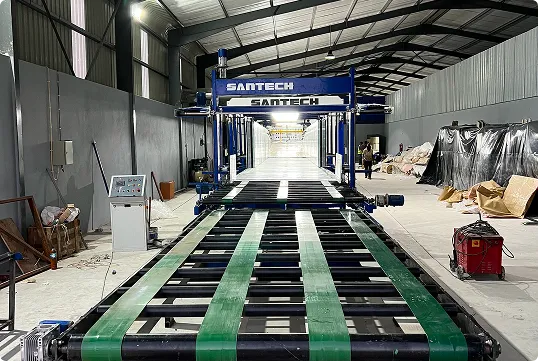
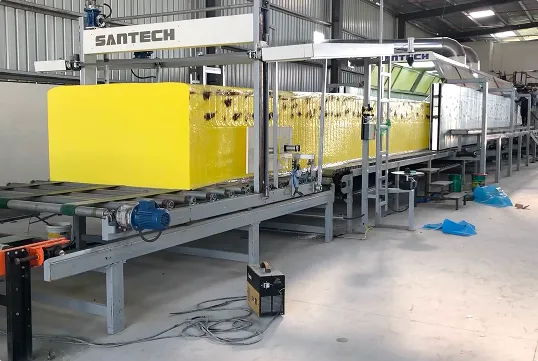
Finding the best mattress for you is one of the best ways to ensure you consistently get quality sleep. If you’re considering buying a foam mattress, it’s important to understand that “foam” is a broad category with different characteristics. Before exploring the different foam types, learn how foam is made and how the manufacturing process affects foam quality, durability, and performance. To help you make the right choice, let’s examine the different varieties of foam used in mattresses.
| Foam Type | Description | Key Features | Benefits | Best Suitable For |
|---|---|---|---|---|
| Polyurethane (PU) Foam | PU foam is the most commonly used mattress foam, made from polyurethane chemicals and available in multiple densities for different comfort levels. | Lightweight, flexible, multiple density options | Balanced support, cost-effective, resistant to dust mites and allergens | Budget mattresses, furniture cushions, foam cores |
| Memory Foam | Memory foam is a viscoelastic material that reacts to body heat and pressure, allowing it to contour perfectly to the body. | Heat-sensitive, slow recovery, body-contouring | Excellent pressure relief, spinal alignment, reduces body pain | Orthopedic mattresses, premium comfort beds |
| Gel Foam | Gel foam is an upgraded version of memory foam infused with cooling gel particles to improve airflow and reduce heat retention. | Cooling technology, temperature regulation | Prevents overheating, improves sleep comfort, balanced support | Hot climate mattresses, modern sleep systems |
| Reflex Foam | Reflex foam is a high-resilience foam that quickly returns to its original shape after pressure is removed. | Firm structure, high durability, fast rebound | Strong support, long-lasting, prevents sinking effect | Orthopedic and firm support mattresses |
| Latex Foam | Latex foam is derived from natural or synthetic rubber and is known for its durability, elasticity, and eco-friendly nature. | Breathable, elastic, eco-friendly material | Long-lasting, excellent spinal support, natural comfort | Premium and eco-friendly mattresses |
| Convoluted Foam | Also known as egg-crate foam, it features a wave-like surface design that improves airflow and reduces pressure points. | Textured surface, lightweight, breathable design | Better air circulation, pressure relief, enhanced comfort | Mattress toppers, medical bedding |
| Evlon Foam | Evlon foam is a cost-effective general-purpose foam widely used in low-budget mattresses and furniture. | Affordable, basic density, moderate durability | Economical solution, decent comfort, widely available | Budget mattresses, sofa cushions |
How Mattress Foam Works (Layer Structure)
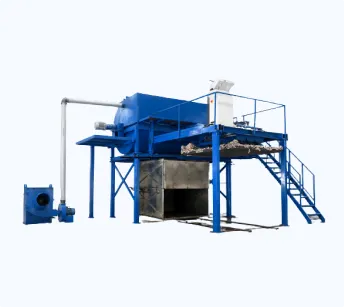
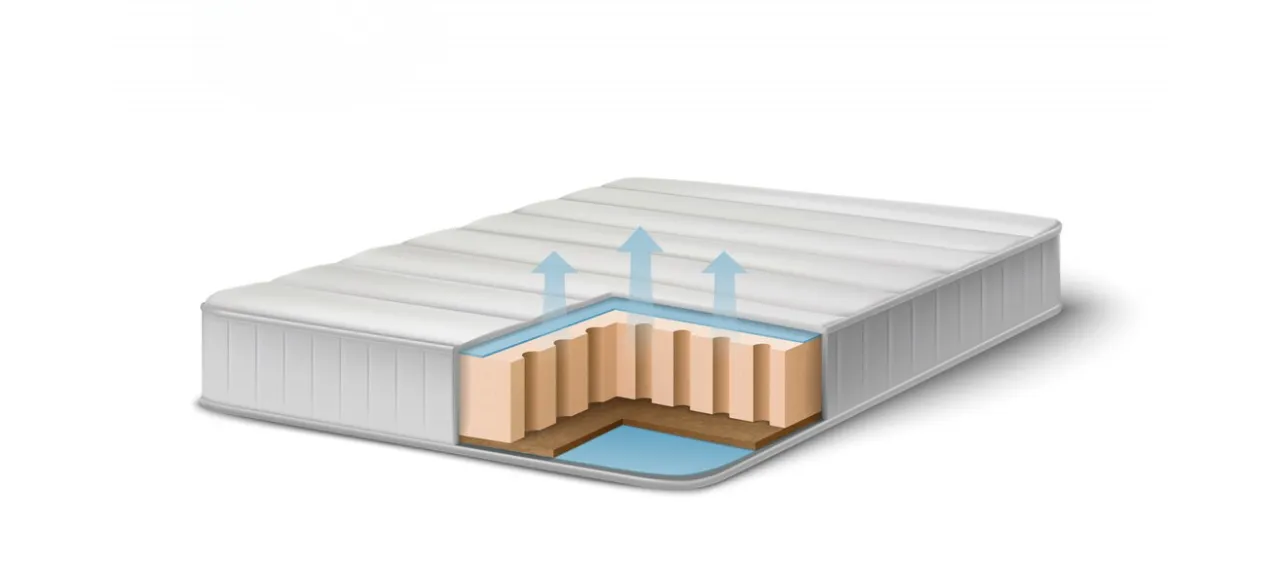
A foam mattress is not made from a single material layer. Instead, it is designed using multiple layers of foam, each serving a specific purpose to ensure comfort, support, and durability. These foam layers are produced using advanced PU Foam Machine technology to ensure consistent foam quality, density, and performance. Understanding this layer structure helps in choosing the right mattress based on sleep needs.
1. Comfort Layer (Top Layer)
The comfort layer is the topmost layer of the mattress that directly comes in contact with the body. It is usually made of soft materials like memory foam, PU foam, or gel foam.
- Provides immediate comfort and softness
- Reduces pressure on shoulders, hips, and back
- Enhances initial sleep experience
2. Transition Layer (Middle Layer)
The transition layer sits between the comfort layer and the support layer. It acts as a bridge to balance softness and firmness.
- Distributes body weight evenly
- Prevents sinking too deep into the mattress
- Improves overall sleep stability
3. Support Layer (Base Layer)
The support layer forms the foundation of the mattress and is usually made from high-density PU foam or reflex foam.
- Provides structural strength and durability
- Maintains proper spinal alignment
- Extends mattress lifespan
Which Foam is Best for Mattress?
A foam mattress is not made from a single material layer. Instead, it is designed using multiple types of foam, each serving a specific purpose to ensure comfort, support, and durability. These foam layers are produced using advanced PU Foam Machine technology to achieve consistent quality, density, and performance.
| Foam Type | Description | Best For |
|---|---|---|
| PU Foam | PU foam is best for budget-friendly mattresses and general use. It provides balanced comfort and support but is less durable compared to premium foams. | Budget-friendly mattresses & general use |
| Memory Foam | Memory foam is ideal for people who need pressure relief and body-contouring support. It is best suited for orthopedic comfort and reduces body pain by adapting to body shape. | Orthopedic comfort & pressure relief |
| Gel Foam | Gel foam is best for hot climate conditions. It provides cooling comfort and prevents heat buildup, making sleep more comfortable. | Cooling comfort in hot climates |
| Reflex Foam | Reflex foam is best for firm support and durability. It is commonly used in orthopedic mattresses where strong back support is needed. | Firm support & orthopedic mattresses |
| Latex Foam | Latex foam is the best premium option for durability, breathability, and eco-friendliness. It offers excellent spinal alignment and long-lasting performance. | Premium mattresses & eco-friendly comfort |
Advantages of PU foam
Polyurethane foam, commonly known as PU foam or PUR foam, is now a necessary part of many commodities. The flexibility of the mattress foams depends on the foaming machine’s quality. It is an excellent material for mattresses and upholstery in a soft shape with a lot of air. In addition to foam type, foam density in mattresses plays a crucial role in determining durability, support, and comfort. Higher-density PU foam generally provides better resilience and a longer lifespan, making it a preferred choice for premium mattress applications.
Resistance to Abrasion: PU foam is a substance that resists abrasion and is durable. Because of this, it is a splendid choice for support and sandwiching within the various layers of hybrid mattresses.
Temperature control: PU foam with the proper density and cell size can aid in temperature control.
Enhancing comfort: PU foam is naturally soft despite its varying density as a mattress material. Its softness works well as a comfort layer in most mattresses.
Lightweight: PU foam is portable and simple to set up at home.
Health Advantages: PU foam is a substance that helps mattresses provide better sleep due to its softness, ability to regulate temperature, and other properties.
Uses of foam in Various Industries
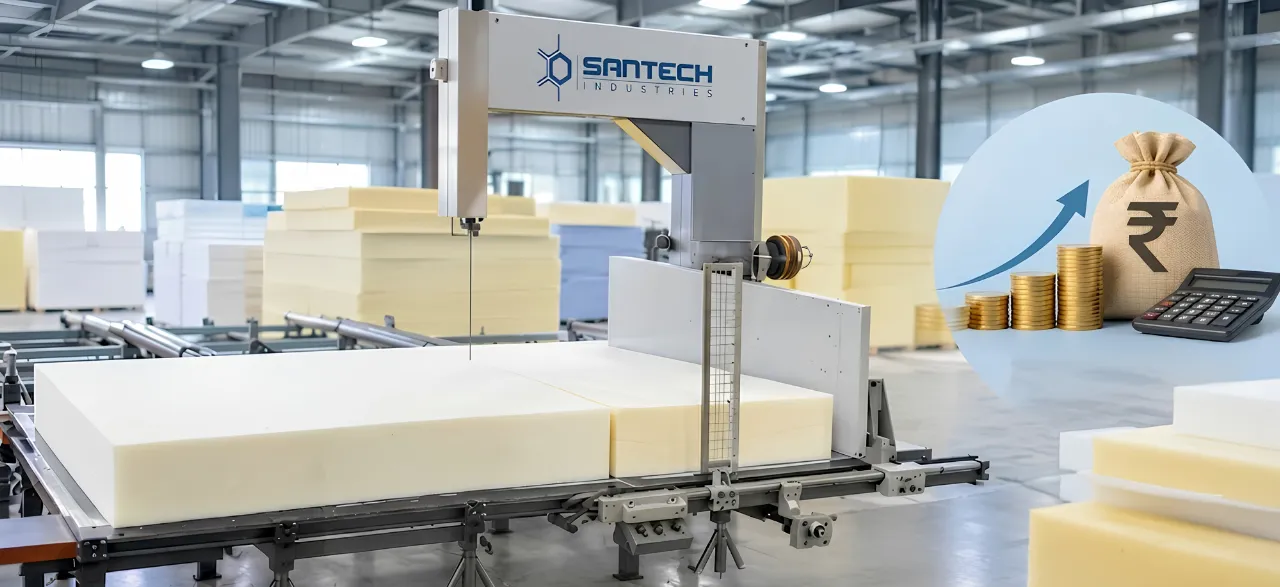
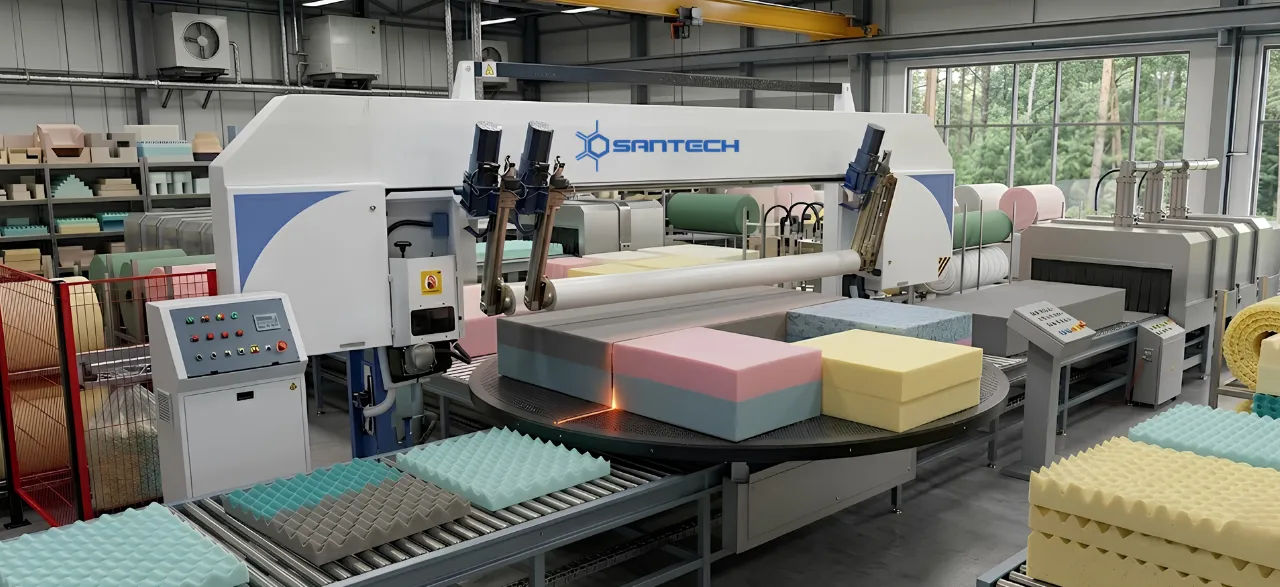
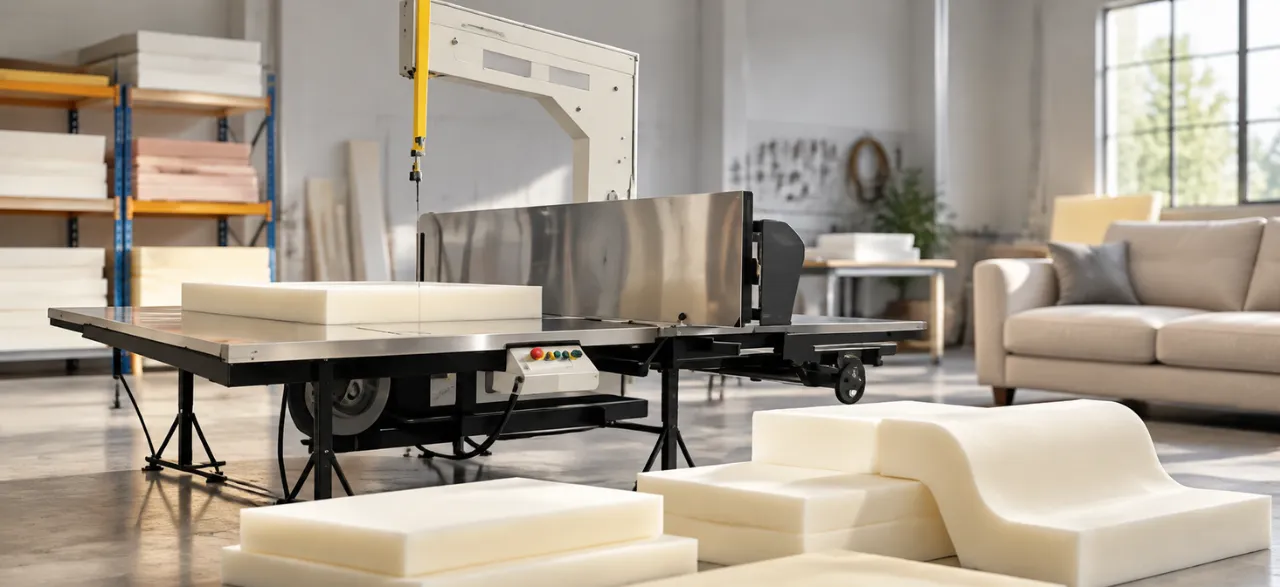
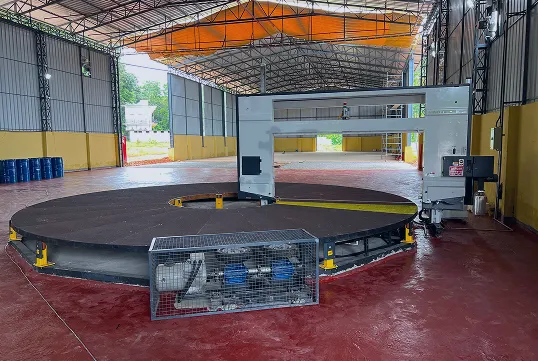
The flexibility of polyurethanes makes it possible for foam cutting machines to mold them into unique shapes, solve complex challenges, and improve industrial and consumer goods.
Here are some examples of uses for foams across many industries:
Insulation: Rigid foam is most commonly used to make insulation boards for architecture and refrigeration.
Sponges: most frequently, cooking and cleaning sponges are perhaps the tiniest of rectangular foam products.
Apparels: A wide variety of polyurethane clothing is created using synthetic skins and leathers to make clothing, sportswear, and accessories.
Automotive: The automotive industry, where laminated textiles are utilized for car interiors, including upholstery and headliners, is another significant market for laminated fabrics.
Building and Construction: Polyurethane is commonly used in the construction industry due to its excellent strength-to-weight ratio, insulating characteristics, durability, and adaptability.
Conclusion
The world of mattress foam offers a wide range of options, each designed to provide different levels of comfort, support, durability, and pressure relief. Understanding the different types of foam helps you choose a mattress that best suits your sleeping preferences and long-term needs.
If you’re a mattress or foam manufacturer, producing high-quality foam starts with the right foam making machine. Santech Foam Machines is a leading foam machine manufacturer, offering advanced foaming solutions that deliver consistent foam density, superior quality, and reliable performance for mattress production. Whether you’re manufacturing PU foam, memory foam, or high-density foam, our machines help you achieve excellent results with maximum efficiency.