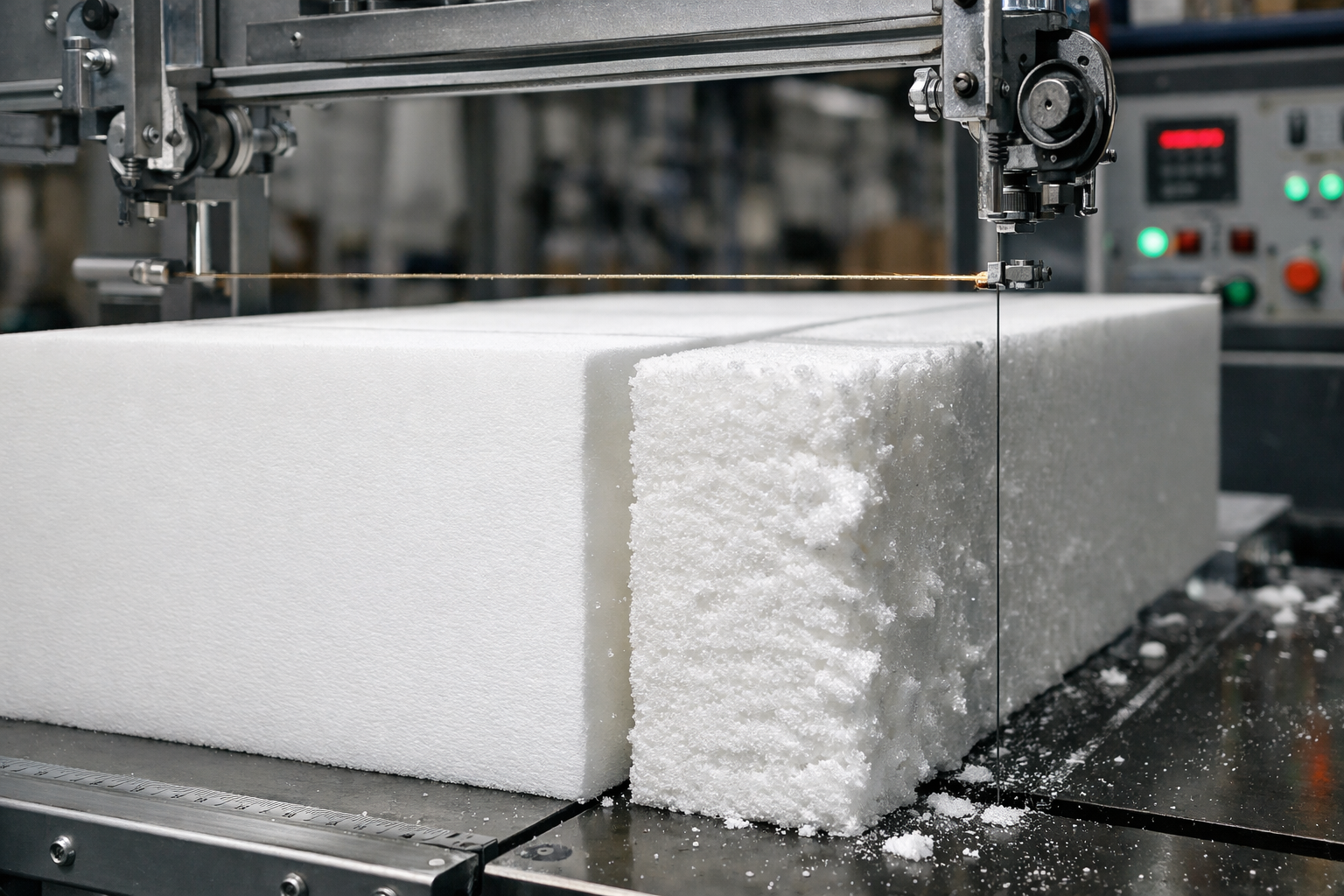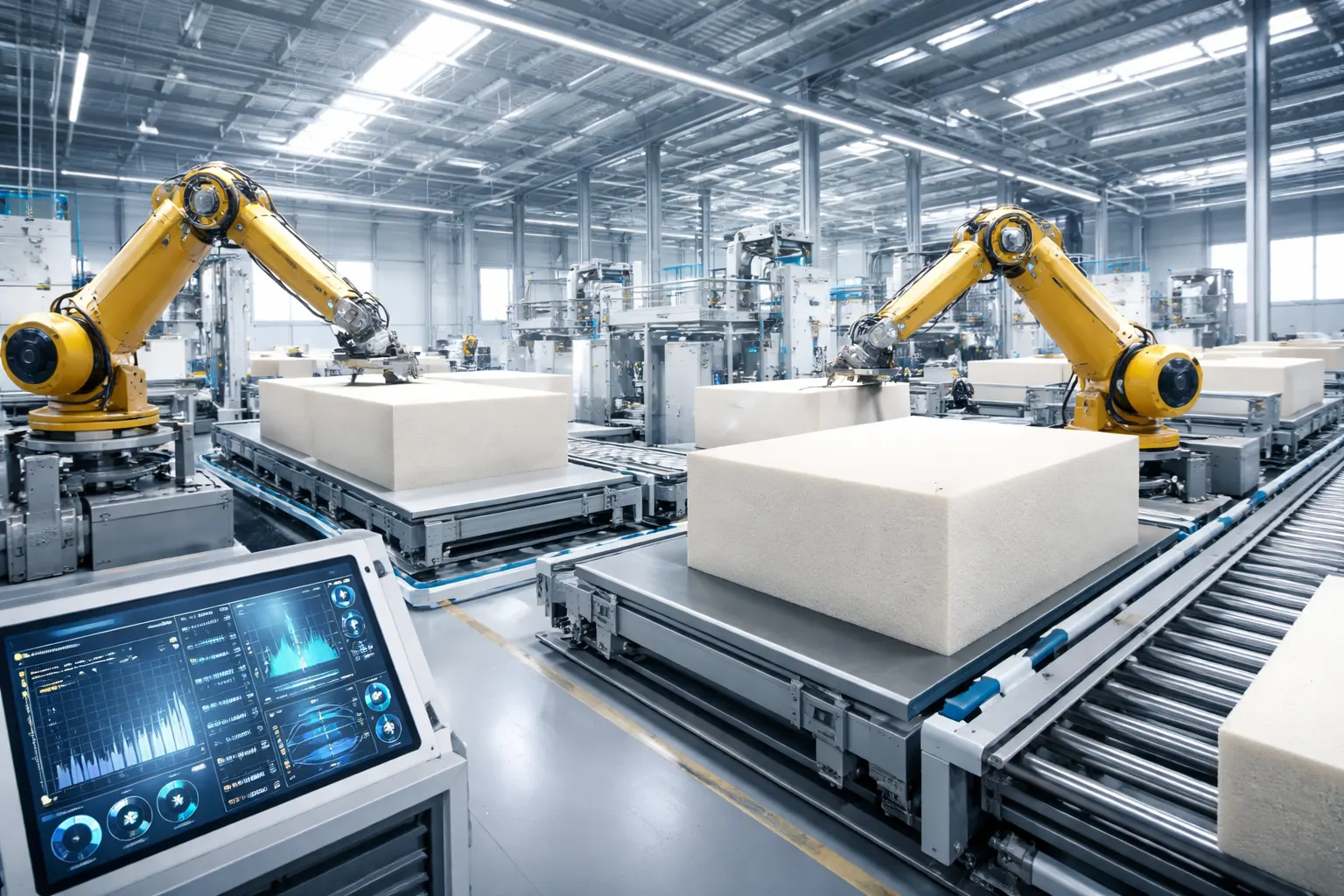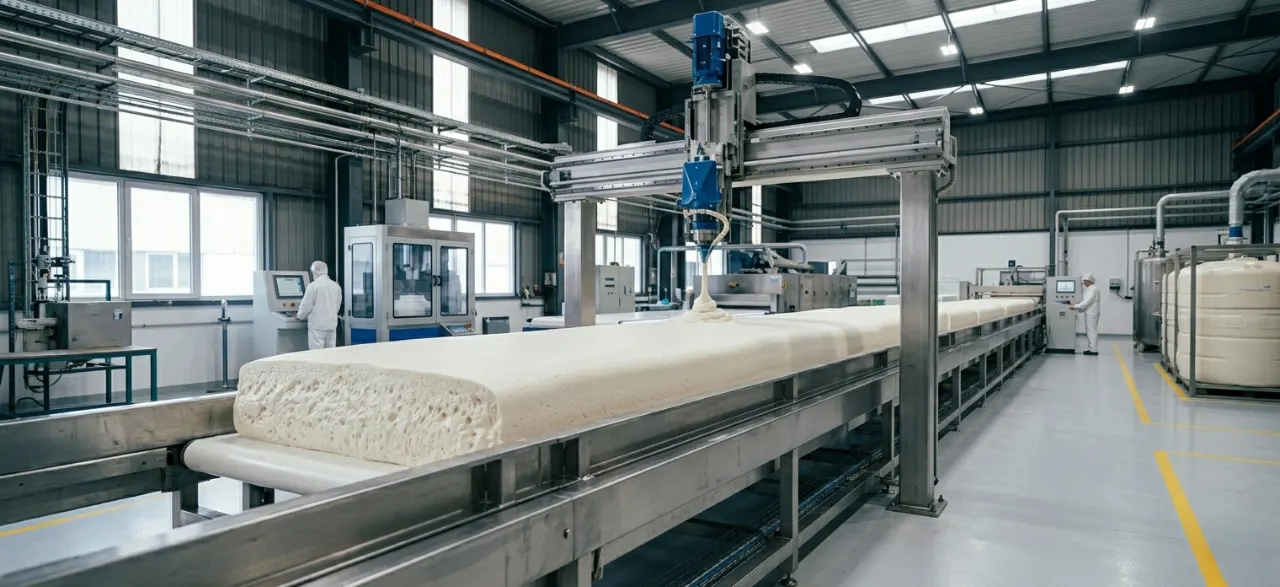
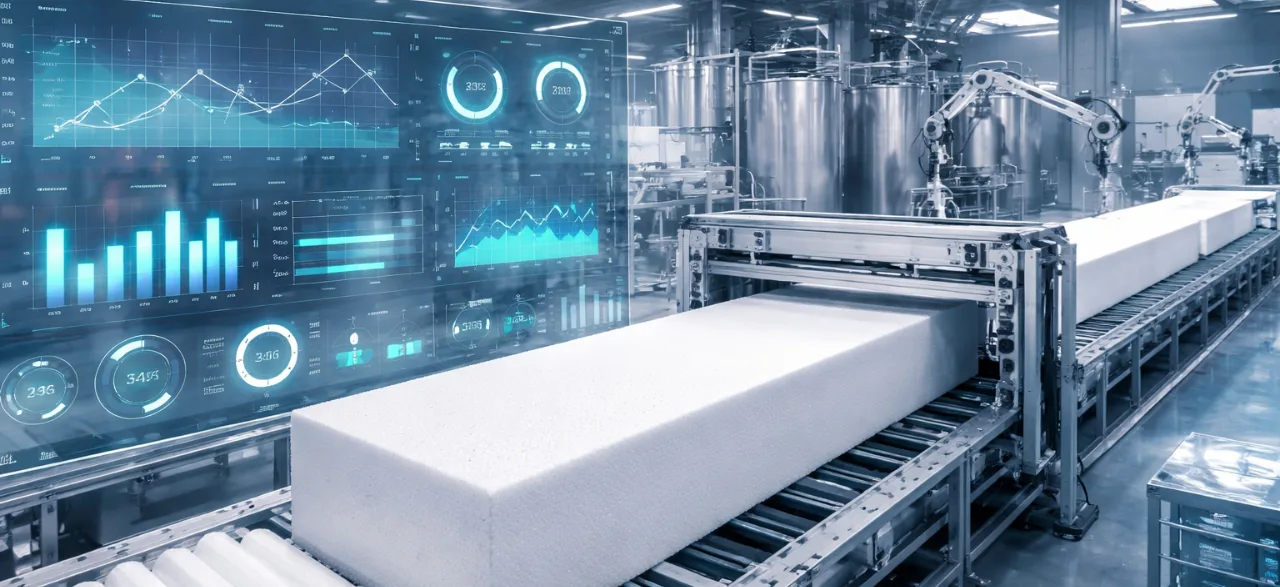
In the current competitive environment, foam producers are actively searching for ways to enhance productivity, minimize waste, and ensure consistent product quality. With rising operational costs and increasing customer demands, traditional production processes alone are inadequate to address the needs of the current scenario. It is here that data and analytics can play an important role.
With the ability to integrate advanced monitoring systems, intelligent sensors, and smart software with various machinery, such as an industrial foaming machine, producers will be able to analyze their operations. Additionally, with the integration of production automation, data-driven decision-making will not only help to optimize production processes but also minimize errors and maximize efficiency.
This article will discuss how data and analytics are transforming the foam manufacturing industry and assisting businesses in achieving greater productivity, quality control, and sustainable growth.
Importance of Data and Analytics in Foam Manufacturing
Foam manufacturing involves complex chemical processes, temperature control, and material dosing. Any minute variation can impact density, strength, and performance. Without proper monitoring, these variations can result in the production of defective products, rework, and losses.
Data and analytics will help the manufacturers to:
- Track production performance in real-time
- Minimize material wastage
- Improve product uniformity
- Identify bottlenecks
- Support informed decision-making
When applied with utmost precision, data can easily become a powerful tool that will offer support for long-term operational stability.
Real-Time Monitoring and Process Control
One of the most important benefits of data-driven manufacturing is its real-time visibility into the production process. Modern industrial foaming machines are well-equipped with sensors that help in collecting data on temperature, pressure, mixing speed, and chemical ratios.
These comprehensive systems allow manufacturers to:
- Monitor primary performance indicators instantly
- Maintain optimal production conditions
- Reduce dependency on manual inspections
With real-time insights, operators can easily make quick adjustments to ensure that every batch is able to meet the set quality standards, thereby improving the overall efficiency of production.
Enhancing Efficiency Through Production Automation
Production automation plays an important role in maximizing the benefits of data and analytics. Automated systems can easily collect, analyze, and respond to operational data without any human interference.
Primary benefits include:
- Reduced human error
- Faster processing times
- Automated material dosing and mixing
- Uniform production cycles
By combining automation with analytics, manufacturers can easily create systems that will adjust automatically according to changing conditions, thereby ensuring smoother operations and higher productivity.
Predictive Maintenance and Equipment Reliability
Unexpected equipment failures can lead to costly downtime and affect the overall production schedule. But data analytics will help in preventing these problems through predictive maintenance strategies.
Sensors that are installed on industrial foaming machines help in the continuous tracking of vibration levels, energy consumption, temperature changes and mechanical performance. This data is crucial as it helps in predicting potential failures before they occur.
Predictive maintenance will help manufacturers by:
- Scheduling repairs in advance
- Reducing emergency breakdowns
- Extending the lifespan of the equipment
- Lowering maintenance costs
- Improving operational reliability
As a result, production will run more smoothly, and unforeseen interruptions are reduced.
Optimizing Resource and Material Usage
Raw materials represent a major chunk of production costs in foam manufacturing. Improper usage will impact profit margins and sustainability.
But with data-driven systems in place, material consumption patterns can be easily analyzed along with the easy identification of the areas for improvement. By using analytics, manufacturers can:
- Reduce the overuse of raw materials
- Optimize chemical formulations
- Support eco-friendly practices
- Reduce scrap and rework
When automation is combined with accurate data, material usage will become more precise and controlled, resulting in better and more effective cost management.
Improving Quality Control and Consistency
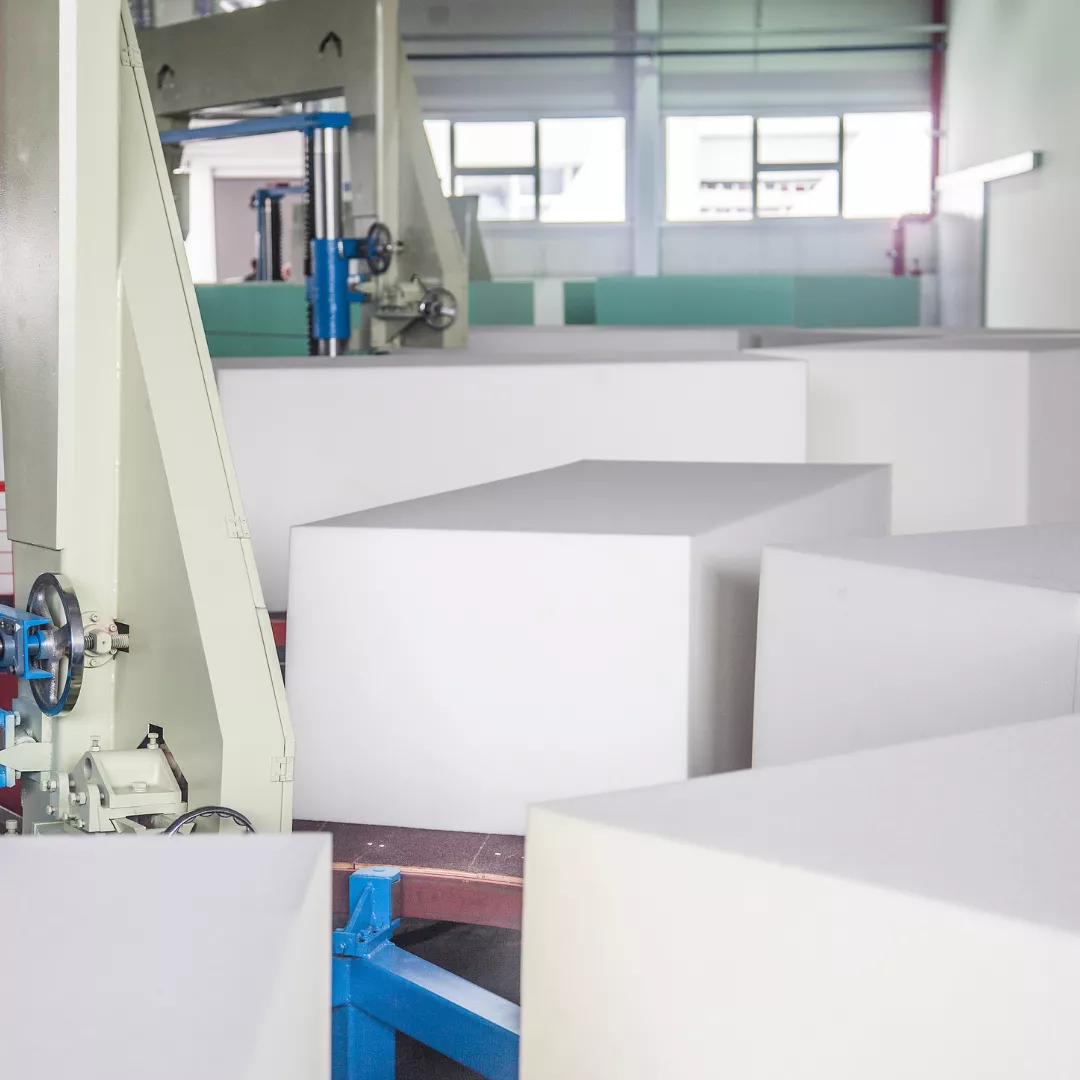
Maintaining uniform foam density, texture, and durability is important for customer satisfaction. Conventional quality checks are not effective as they often detect problems after production, resulting in resource wastage.
With data analytics, quality control becomes a breeze. Automated inspection systems and connected sensors can thoroughly analyze production parameters in real-time and compare them with predefined benchmarks.
The approach helps manufacturers by:
- Detecting quality variations early
- Maintaining uniform standards
- Reducing rejected batches
- Improving brand reputation
- Increasing customer trust
By using analytics in daily operations, quality can become an important part of the production process.
Supporting Smarter Decision-Making
Data-backed manufacturing helps management teams by providing them with comprehensive reports and performance dashboards. These are effective tools that offer clear insights into productivity trends, operational expenses, and machine performance.
Using these insights, decision-makers can:
- Identity high-performance processes
- Evaluate investment opportunities
- Improve workforce planning
- Optimize production schedules
- Develop long-term growth strategies
Trusted and reliable data will help the leaders to make strategic choices easily and that are based on facts rather than assumptions.
Workforce Productivity and Skill Development
Automation helps in reducing manual workload, but skilled employees continue to remain important for successful operations. Data and analytics help in supporting workforce efficiency by highlighting training needs and key performance gaps.
Manufacturers can use analytics to:
- Easily track operator efficiency
- Identify skill shortages
- Design targeted training programs
- Improve safety compliance
With better insights, employees will become more confident in handling advanced systems, resulting in greater productivity and job satisfaction.
Integration with Smart Manufacturing Systems
Modern foam production facilities are adopting smart factory concepts. These systems link data from machines, supply chains, and quality control units into a single unified digital platform.
The benefits of smart manufacturing consist of:
- Hassle-free data sharing across departments
- Faster response to market changes
- Improved coordination between processes
- Greater operational transparency
When industrial foaming machines are connected to an intelligent network, manufacturers can easily achieve a fully integrated production environment.
Business Benefits of Data-Driven Manufacturing
Investing in data and analytics helps in delivering long-term benefits that go beyond short-term productivity gains. Companies that adopt digital transformation are in a better position to compete in the global market.
Key long-term benefits consist of:
- Improved product quality
- Sustainable business growth
- Higher operational efficiency
- Reduced production costs
- Stronger customer relationships
Through production automation and advanced analytics, manufacturers can pave the way for resilient operations that will prepare them for future challenges.
Wrapping Up
Data and analytics now play a central role in improving efficiency across modern foam manufacturing. Using real-time monitoring, predictive maintenance, quality control, and resource optimization, digital technologies are transforming production operations.
When they are combined with advanced industrial foaming machines and intelligent production automation systems, data will empower manufacturers to reduce waste, enhance consistency, and maximize output. In addition, it supports smarter decision-making and long-term competitiveness.