

Precision metering plays an important role in ensuring high-quality output, performance, and long-term reliability in polyurethane production. Whether you’re working with extremely rigid, flexible, or spray foam systems, precise material dosing has a direct impact on foam structure, durability, and overall efficiency.
For industries that are heavily dependent on advanced equipment from trusted foam machine manufacturers, maintaining uniform control over the material flow is extremely important, as it will help in achieving excellent results.
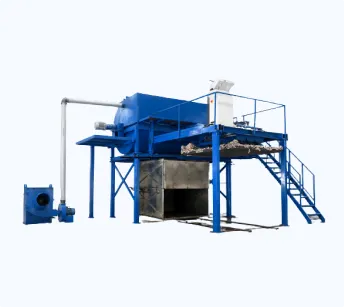
In fact, in modern production environments, an exceptionally performing PU foam manufacturing machine will help you in delivering appropriate proportions of the chemicals, thereby ensuring stable reactions and consistent foam formation.
Therefore, in this blog, we will explore the top reasons pressing the need for precision metering and its importance in the polyurethane foaming and how it significantly contributes to quality, productivity, and cost savings.
Understanding the Importance of Precision Metering in Polyurethane Foaming
Precision metering can be defined as a precise measurement and controlled delivery of raw materials, such as polyol and isocynate during the process of foaming. These are essential components, and they should be mixed only in specific ratios so that you can easily create desirable foam properties.
Even a slight change in material properties can further result in:
- Poor foam expansion
- Weak structural integrity
- Defects on the surface
- Poor installation performance
A reliable PU foam manufacturing machine that is equipped with advanced metering systems will ensure that each batch maintains quality and meets the industry standards.
Why Precise Material Ratios Are Vital?
Polyurethane foam production relies heavily on chemical balance. The reaction between polyol and isocyanate should occur under controlled conditions for optimal results.
Well, when the ratios are incorrect, manufacturers may face problems like:
- Shrinkage or collapse of foam
- Non-uniform cell structure
- Decreased lifespan of finished products
- Extra soft products
But the leading foam machine manufacturers can easily integrate precision pumps, digital controls, and flow sensors, and this will further ensure that the material ratios remain stable throughout the production cycle.
Impact of Precision Metering on Product Quality
Uniform Foam Density
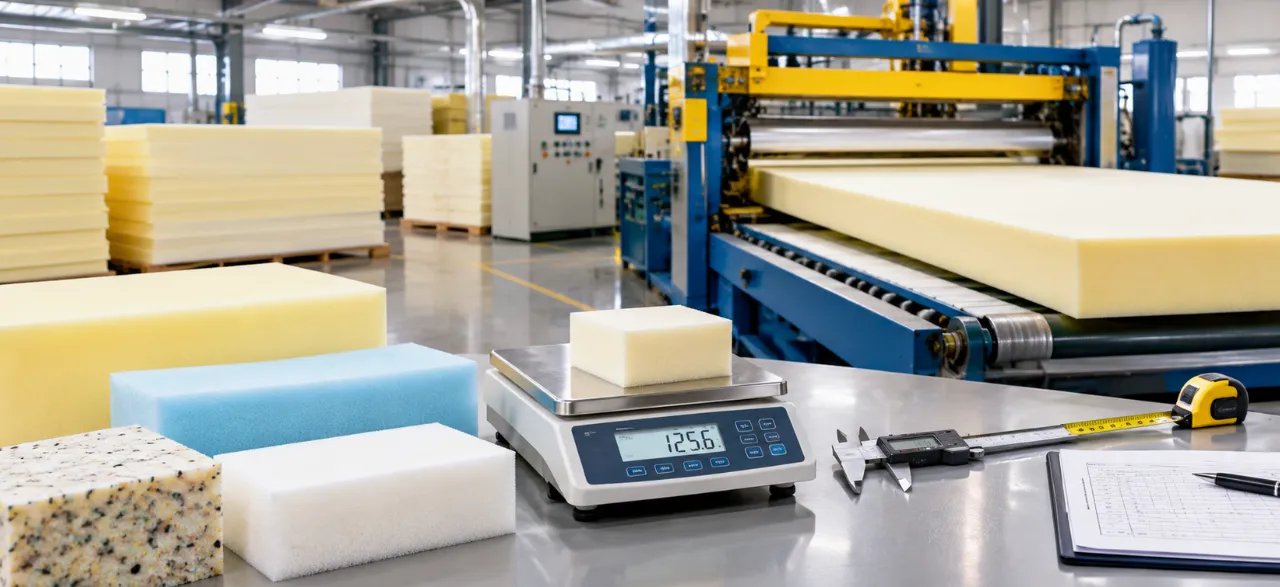
Precise metering helps in the proper maintenance of consistent foam density, and that is important for various applications, including insulation panels, furniture cushions, and automotive components. Uniform density will also ensure predictable performance and overall satisfaction of the customer.
Enhanced Surface Finish
Precise dosing of the materials also helps in preventing various types of surface defects like bubbles, cracks, and rough textures. A well-calibrated PU foam manufacturing machine helps in producing smooth and visually appealing products.
Improved Mechanical Strength
A well-balanced chemical reaction will result in stronger and tougher foam structures. This will further help in improving load-bearing capacity, compression resistance, and overall durability.
Role of Precision Metering in Enhancing Production Efficiency
Reduced Material Wasteage
Improper dosing can result in rejected batches and excess scrap. But precision metering will help in decreasing raw material waste and help in improving resource utilization.
Faster and Efficient Production Cycles
When materials are precisely measured, the reaction process will remain stable. This will further help in reducing downtime that could be caused by defects, rework, and machine adjustments.
Lower Operational Expenses
By reducing waste, reprocessing, and equipment stress, manufacturers can easily cut down on operational costs over time.
Well, modern solutions that are offered by reputed foam machine manufacturers will primarily focus on automation and digital monitoring.
Important Components of a Precision Metering System
An excellent quality PU foam manufacturing machine is dependent on various components that will help you in achieving precise metering:
Metering Pumps
They will help you regulate the flow rate of polyol and isocyanate. Exceptional quality pumps will ensure steady material delivery without any changes.
Flow Meters and Sensors
The primary job of a sensor is to continuously monitor material flow and identify changes in real-time. This further enables the operators to rectify the issues before the defects can occur.
Control Panels and Software
Highly advanced control systems will allow the operators to set the accurate ratios, analyze performance, and store production parameters to be used in the future.
Temperature Regulation Units
Temperature affects chemical reactions. Heating and cooling systems that are connected will help in maintaining stable processing conditions.
When combined, these components will help you create a reliable and efficient metering system.
Significance of Calibration and Maintenance
Even the most advanced machinery requires regular calibration and maintenance so that it can sustain accuracy.
Top Calibration Practices
- Properly adjusting the ratio settings
- Thoroughly verifying pump output regularly
- Examining the flow sensor precision
- Conducting the production trial runs
Routine calibration will ensure that the PU foam manufacturing machine continues to deliver exceptional material proportions.
Maintenance Requirements
- Properly cleaning filters and valves
- Checking seals and hoses
- Swapping worn components
- Oiling moving parts
Leading foam machine manufacturers will often recommend preventive maintenance schedules, using which you can easily avoid unexpected breakdowns and performance issues.
Operator Skills and Process Control
Precision metering is not only dependent on machines but also on a skilled workforce. Proper-training will help the operators to easily understand system parameters, identify problems, and perform timely adjustments.
Important Training Areas That Require Focus
- Understanding the raw material properties
- Reading the data provided on the control panel
- Identifying flow irregularities
- Basic techniques for troubleshooting
Well-trained operators will ensure that the metering system performs well and also minimize the risk of production errors.
Advantages of Opting for Advanced Metering Solutions
Well, investing in modern metering technology provides long-term benefits for the foam manufacturers. Some of them have been listed below:
-
Improved Process Stability
Systems that are automated will help in minimizing human error and maintaining stable production conditions.
-
Better Compliance With Standards
Uniform quality will help the manufacturers to meet regulatory and customer requirements without much hassle.
-
Growth and Flexibility
Advanced PU foam manufacturing machines pave the way for easy adjustments that are best suited for different formulations and production volumes.
Commonly Encountered Metering Issues to Avoid
To maintain the overall quality of the production, manufacturers should avoid the following mistakes:
- Ignoring minor flow irregularities
- Overlooking temperature control
- Delay in maintenance schedules
- Skipping calibration routines
- Using poor-quality spare parts
By tackling these issues effectively, you can easily prevent major losses and quality-related problems.
Wrapping Up
Precision metering serves as a foundation stone for a successful polyurethane foam production. Precise control of material ratios ensures uniform density, excellent strength, and reliable performance. Moreover, a well-designed PU foam manufacturing machine is well-equipped with highly advanced metering systems that will enable you to minimize waste, improve efficiency, and reduce operating expenses.
In addition, investing in excellent-quality equipment from trusted and well-reputed foam machine manufacturers, maintaining regular calibration, and training skilled operators will enable the businesses to achieve long-term productivity and product excellence.