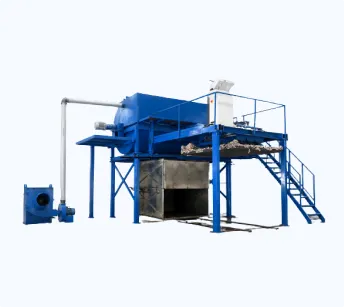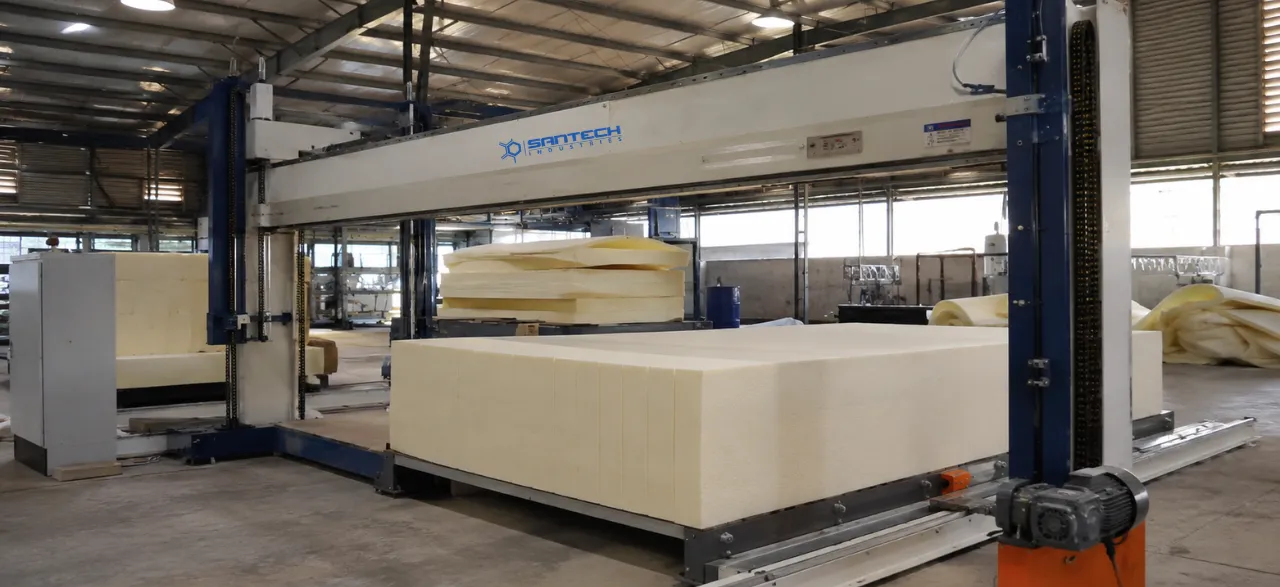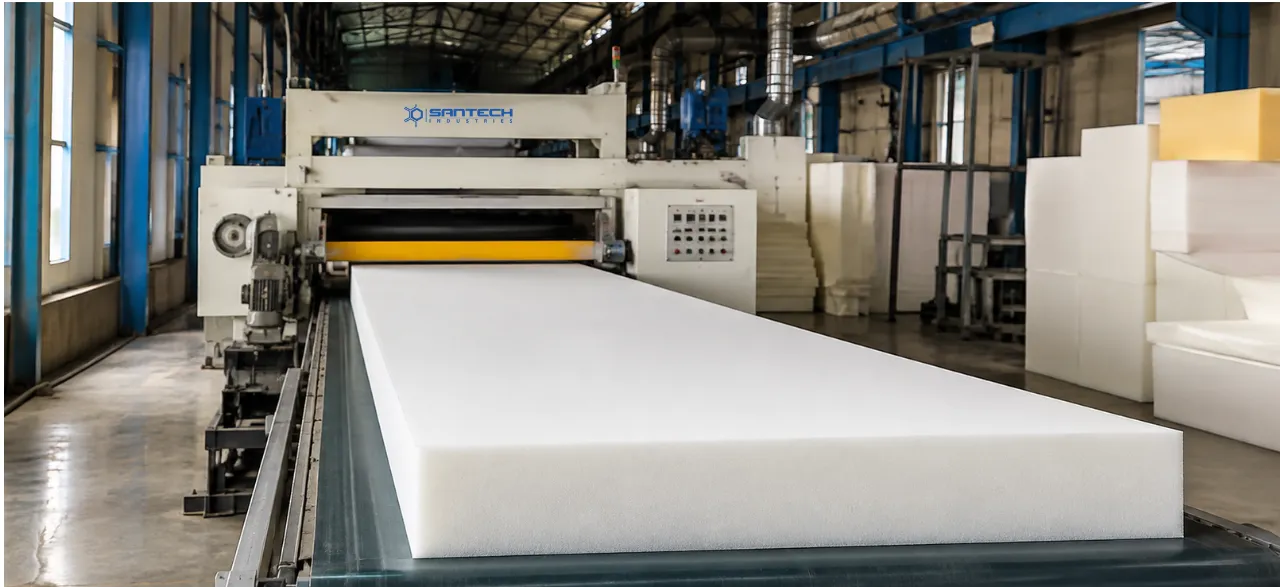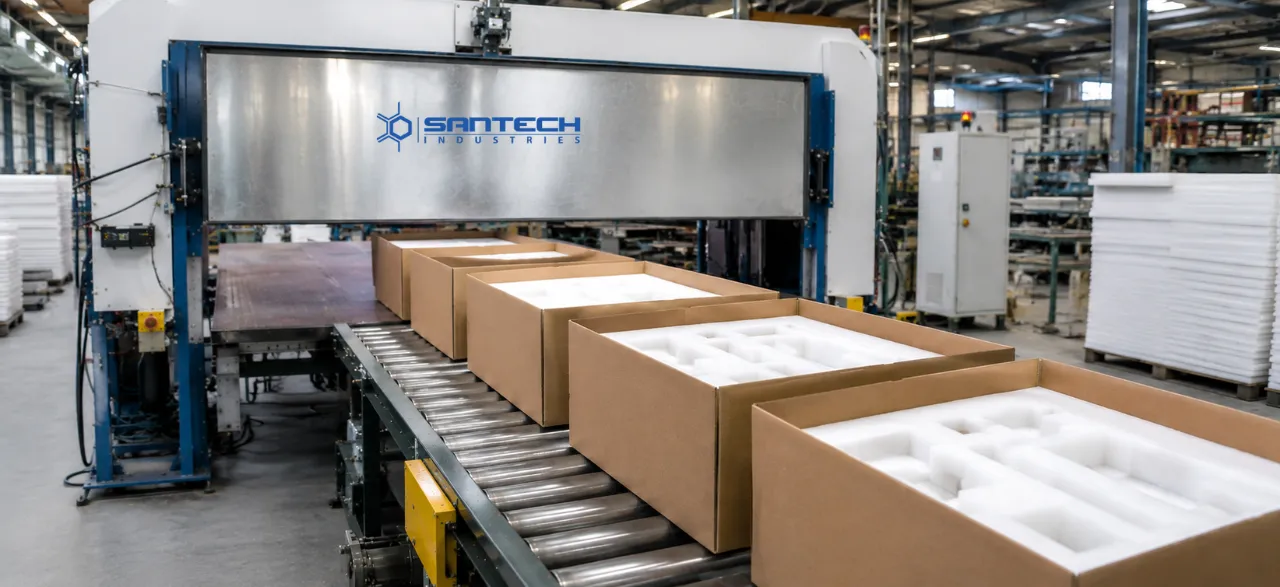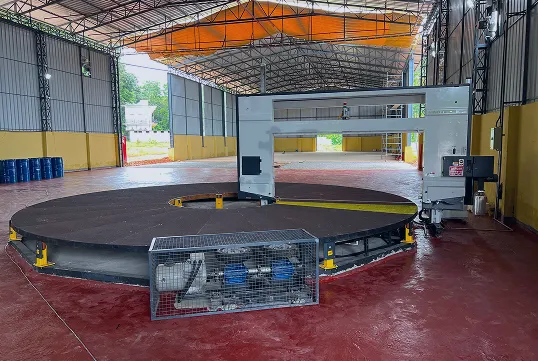
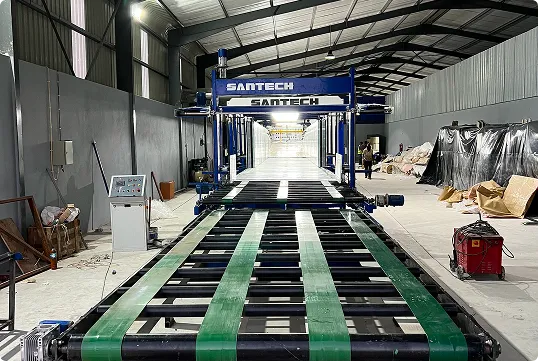
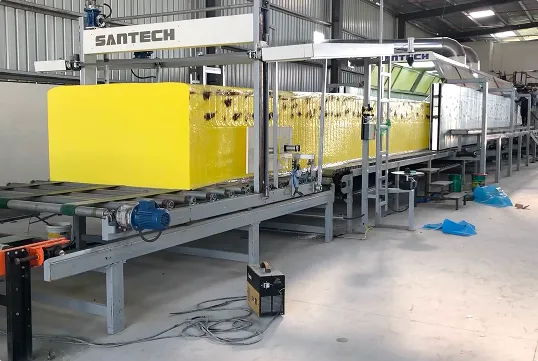
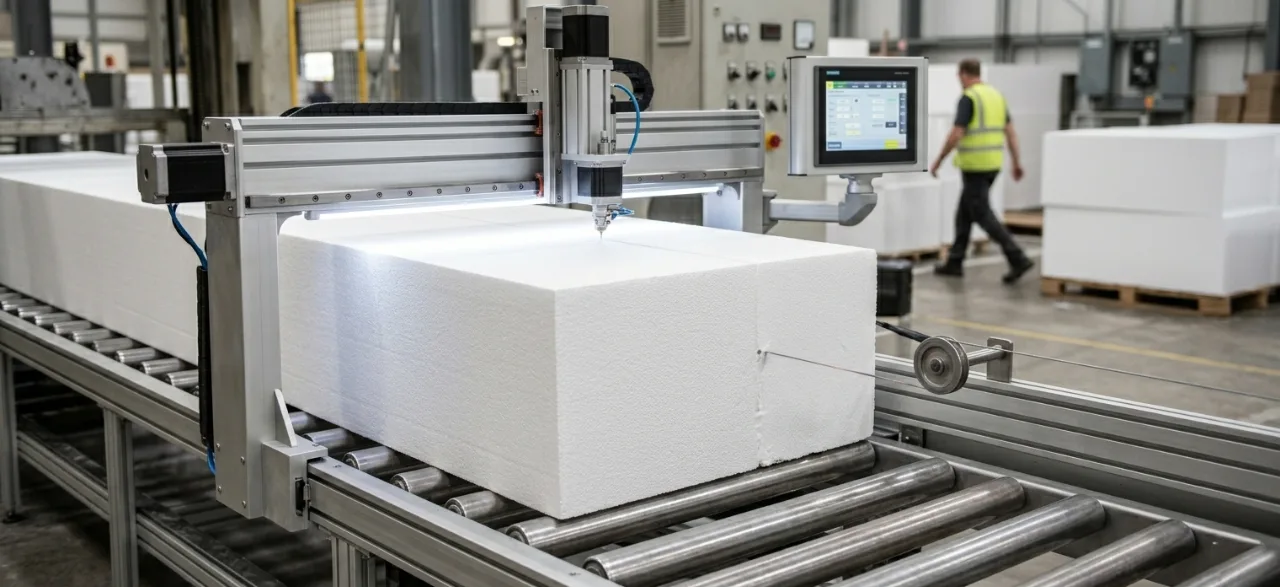


In this continuously evolving landscape, equipment like the PU foam making machine and systems developed by leading continuous foaming machine manufacturers are transforming the future of production. These technologies enable the companies to achieve uniform output, reduce material waste, and improve operational efficiency.
This blog will talk about the important factors responsible for driving global demand for industrial foam machinery, emerging market trends, and how manufacturers can position themselves for long-term growth.
Why is There an Increase in the Global Demand for Foam Machinery?
The demand for industrial foam machinery is growing at a steady pace due to an increase in the consumption of foam-based products across different sectors. Urbanization, infrastructure development, and lifestyle changes are encouraging manufacturers to expand their production capabilities.
Some major reasons behind this growing demand include:
- Rising demand for furniture and mattresses
- Increased use of foam in automotive interiors
- Expansion of packaging and protective materials
- Preference for lightweight and durable components
As production volume is rising, manufacturers are heavily dependent on high-performance equipment, including PU foam making machine that will help them to maintain the quality and speed while keeping costs under control.
Role of Automation in Modern Foam Manufacturing
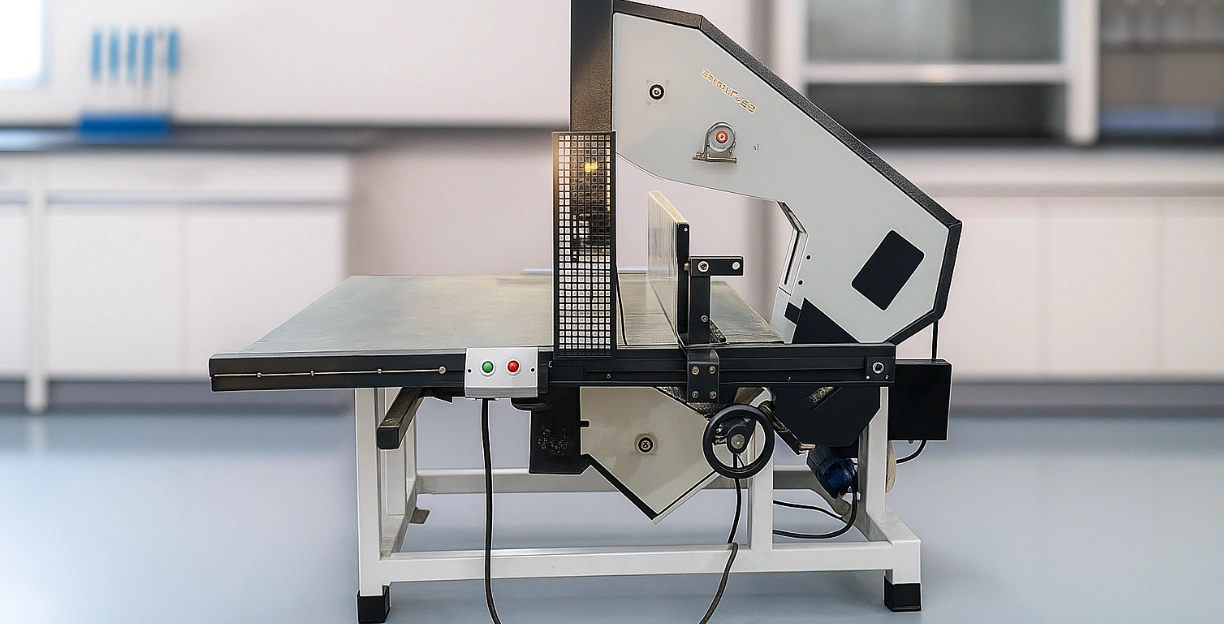
Automation is the pillar for efficient foam production. Conventional manual processes are now being replaced by smart and intelligent systems that play a key role in improving accuracy, precision, and productivity.
Primary benefits of automation include:
- Uniform foam density and structure
- Reduced human error
- Faster production cycles
- Lower material wastage
- Better and improved workplace safety
The majority of the continuous foam machine manufacturers are now integrating digital controls, sensors, and monitoring tools into their equipment, thereby enabling the manufacturers to achieve stable production results.
Growth of the Furniture and Bedding Industry
Well, the furniture and bedding industry is one of the largest consumers of foam products. With a surge in disposable income and changing lifestyle choices, consumers are heavily investing in comfort-based products, including cushions, sofas, and mattresses.
This trend has led to an increase in the adoption of advanced machinery like PU foam making machine that will help in meeting high-volume and customized production demands.
Manufacturers are now focusing on:
- Providing customized firmness levels
- Reducing production time
- Improving product durability
- Producing high-resilience foams
As a result, the demand for reliable equipment from well-established continuous foaming machine manufacturers continues to grow.
Expansion of Automotive and Transportation Applications
The automotive sector extensively uses foam in seating, headrests, armrests, dashboards, and insulation components. With the world moving towards electric vehicles and lightweight materials, foam applications are further expanding.
Automotive manufacturers require:
- Strict quality control
- High-volume production capability
- Consistent material performance
Therefore, to meet these standards, suppliers depend on advanced foam machinery that helps them deliver accuracy and scalability. The PU foam making machine plays an important role in meeting the demands of automotive-grade production.
Influence of Construction and Insulation Markets
Energy efficiency and sustainability have become the top-priorities in the construction sector. Foam insulation materials are extensively used to improve thermal performance and reduce energy costs.
An increasing demand for green building standards has led to a higher demand for:
- Spray foam insulation
- Lightweight construction components
- Premium acoustic insulation materials
- High-performance rigid polyurethane foam panels
This trend has led to an increase in the investments made towards equipment that is developed by leading continuous foam machine manufacturers, allowing producers to deliver quality insulation products at scale.
Latest Technological Advancements in Foam Machinery
Modern foam machinery is no longer restricted to basic mixing and foaming processes. Today, the systems are well-equipped with advanced features that play a key role in enhancing production efficiency and quality control.
Primary technological advancements include:
- Real-time monitoring software
- Smart temperature and pressure controls
- Automated chemical dosing systems
- Integrated quality inspection tools
A modern PU foam-making machine can easily incorporate these innovations to enable the manufacturers to maintain uniformity while minimizing operational risks.
Emerging Markets and Regional Growth
Developing economies of Asia, Latin America, and Africa are slowly becoming key players in the global foam production. Rapid industrialization, infrastructure development, and expanding middle-class populations are increasing the demand for foam-based products.
Primary growth factors in emerging markets include:
- Rising export activities
- Growing housing and automotive sectors
- Expansion of local manufacturing facilities
- Increased investment in automation
Due to all this, continuous foaming machine manufacturers are actively expanding their base in these regions so that they can serve new and growing markets.
Importance of Customization and Flexibility
Today the demand for tailored solutions is increasing compared to standardised products. Foam manufacturers should be capable enough to produce different densities, thickness, and formulations based on specific applications.
Modern machinery supports this flexibility by providing:
- Seamless support for multiple formulation requirements
- Customizable production parameters for enhanced efficiency
- Faster and efficient changeover systems
A PU foam making machine that is versatile will enable the businesses to quickly adapt to changing market neets without compromising on quality and productivity.
Sustainability and Environmental Considerations
Sustainability is rapidly shaping how companies approach equipment upgrades and purchasing decisions. Government and consumers are putting a lot of pressure on the manufacturers to reduce environmental impact.
Eco-friendly production focuses on:
- Lower chemical emissions
- Reduced energy consumption
- Waste reduction
- Compliance with environmental regulations
Most of the continuous foaming machine manufacturers are focusing on designing equipment that supports eco-friendly practices, allowing companies to align with global sustainability goals.
Competitive Advantage Through Advanced Machinery
Investing in high-quality foam machinery offers manufacturers a strong competitive edge. Efficient equipment helps in improving operational performance while ensuring product uniformity and customer satisfaction.
Key benefits include:
- Higher production capacity
- Lower operating expenses
- Enhanced product quality
- Stronger market reputation
A reliable PU foam making machine serves as an important asset that provides support for business growth and stability.
Wrapping Up
The global demand for industrial foam machinery is being influenced by expanding applications, technological innovation, and rising customer expectations. Various industrial sectors, including furniture, automotive, construction, and packaging, continue to depend entirely on foam products, thereby creating a sustained demand for advanced manufacturing solutions.
Well, by investing in modern equipment from reliable continuous foam machine manufacturers and adopting high-performance systems like the PU foam making machine, businesses can easily improve efficiency, enhance product quality, and remain competitive in international markets.