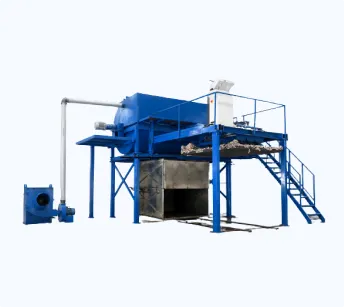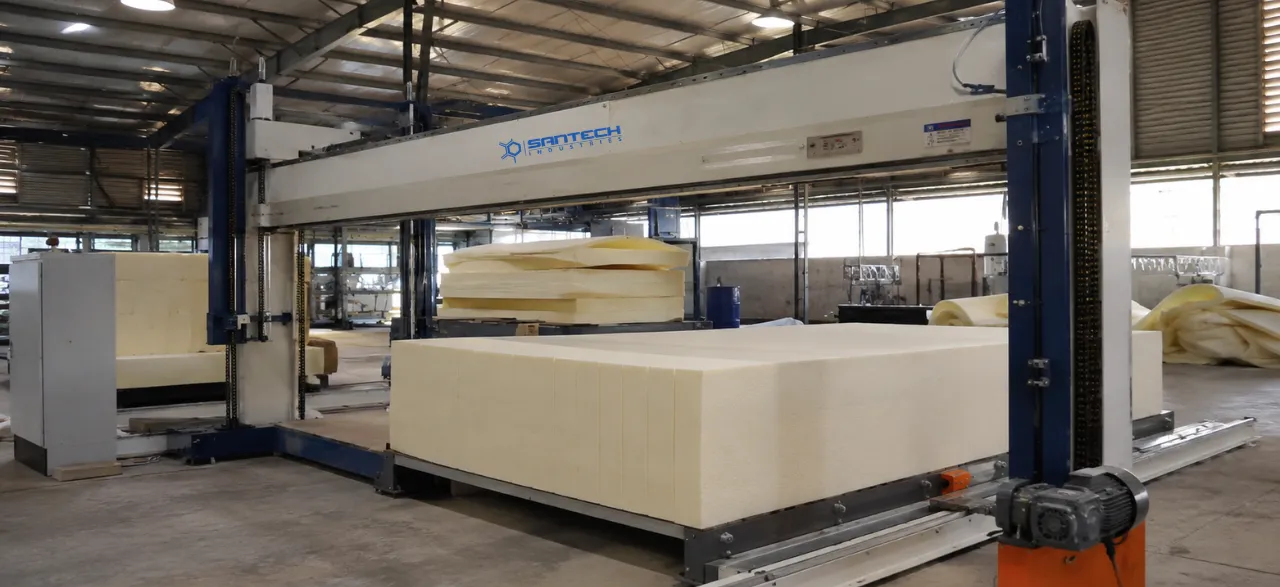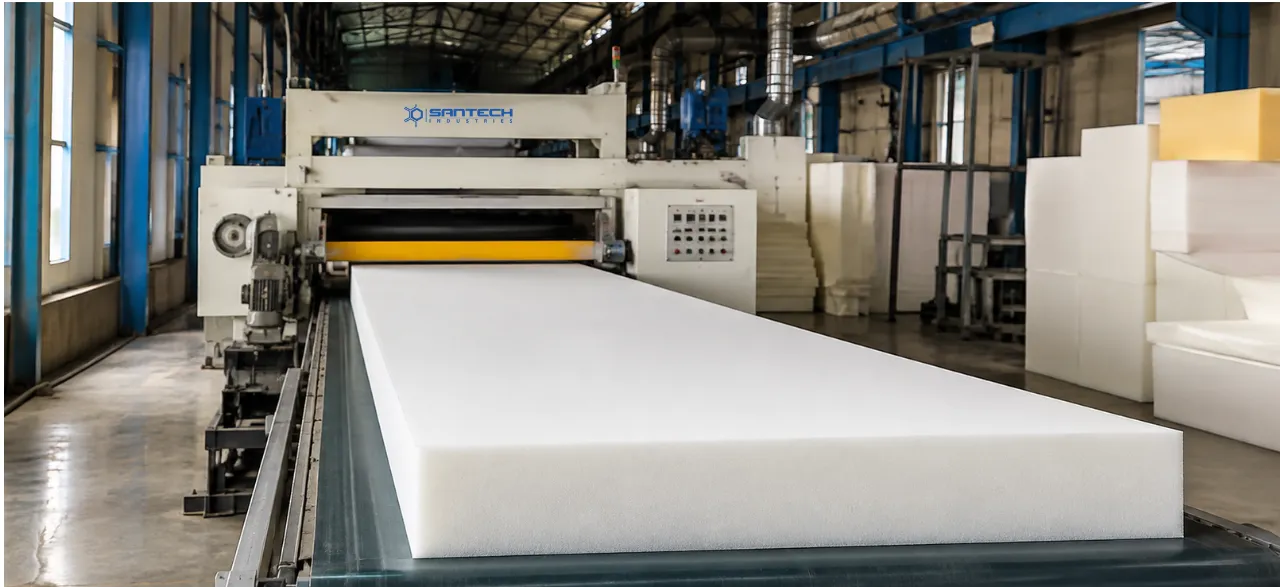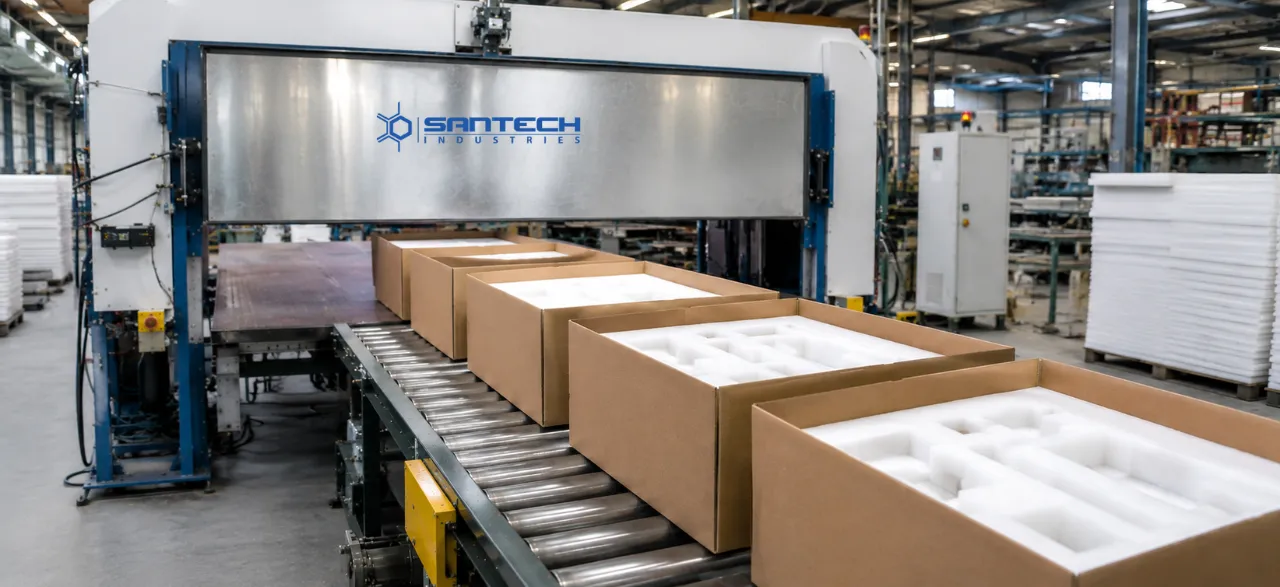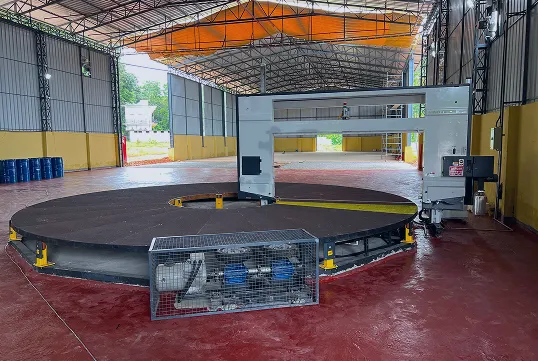
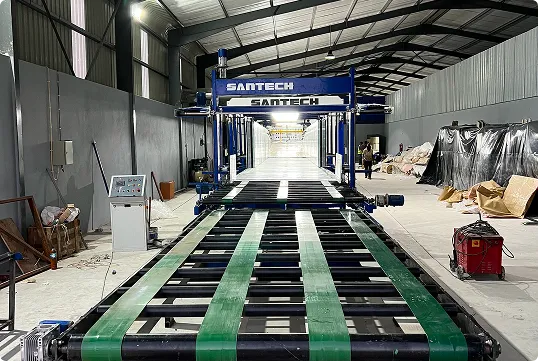
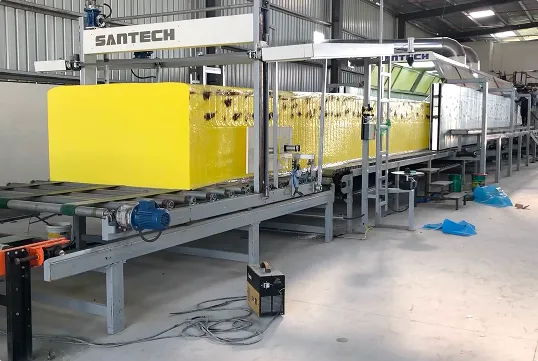
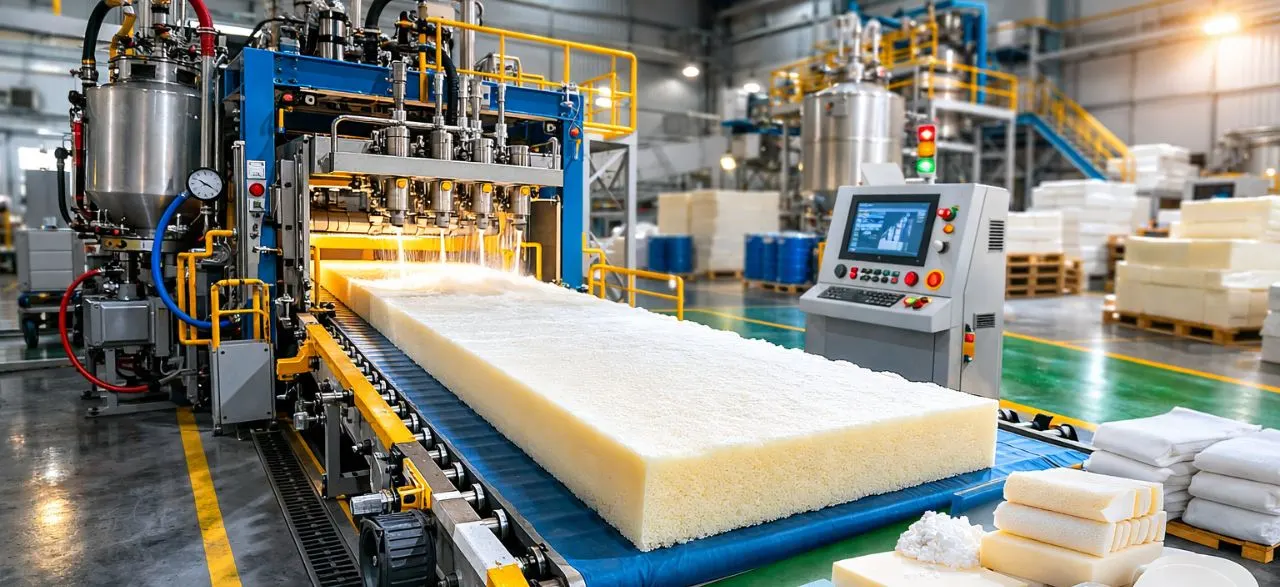


A continuous foaming machine is designed to produce polyurethane (PU) foam in a continuous, automated process, making it the preferred choice for high-volume foam manufacturers. Compared to batch production, it delivers consistent foam quality, higher production capacity, reduced material waste, and lower operating costs, helping manufacturers improve overall production efficiency.
Whether you’re manufacturing foam for mattresses, furniture, automotive, or packaging applications, investing in a modern PU foam manufacturing machine can streamline operations, optimize chemical usage, and ensure uniform foam density. In this guide, you’ll learn how continuous foaming machines improve production efficiency, the key benefits they offer, and why they are essential for scalable, cost-effective foam manufacturing.
Looking to increase productivity and reduce production costs? Discover how Santech Foam Machines’ advanced continuous foaming solutions can help you achieve faster, more efficient, and higher-quality foam production.
Batch Foaming vs Continuous Foaming: The Efficiency Gap
| Feature | Batch Foaming Machine | Continuous Foaming Machine |
|---|---|---|
| Production Capacity | A batch foaming machine produces foam one batch at a time, making it suitable for low to medium production volumes while ensuring better control over each production batch. | Operates continuously, allowing manufacturers to achieve high-volume production with minimal interruptions. |
| Production Efficiency | Requires frequent stopping for mixing, pouring, and cleaning, which increases production time. | Provides a smooth, uninterrupted workflow that improves productivity and shortens production cycles. |
| Foam Quality | Quality can vary between batches if processing conditions are not carefully controlled. | Delivers consistent foam density, cell structure, and product quality throughout the production run. |
| Material Waste | Higher waste due to batch changeovers and manual adjustments. | Optimized chemical dosing helps reduce raw material waste and improve overall yield. |
| Labor Requirement | Needs more manual supervision and operator involvement during production. | Automation reduces manual work while improving operational consistency. |
| Energy Efficiency | Repeated start-stop operations can increase energy consumption. | Continuous operation optimizes energy usage and lowers production costs over time. |
| Best For | Small and medium manufacturers producing multiple foam grades in lower quantities. | Large-scale foam manufacturers focused on high output, consistent quality, and long-term efficiency. |
Batch foaming is familiar. Many plants start there because it feels manageable. Make a batch, check it, adjust, repeat. The issue is what happens when volume increases.
Batch systems come with natural stop-start losses. You stop for resets. You stop for cleaning. You stop because the next batch needs a change. Every restart brings slight variation. Not always enough to trigger an alarm, but enough to make the foam behave a bit differently.
That variation shows up later:
- Cutting teams start compensating
- Density starts drifting across blocks
- Rework becomes normal
- Planning becomes guesswork
Continuous foaming machine reduces that gap by avoiding the constant reset cycle. It keeps the process in a stable zone for longer. Less resetting means fewer small shifts. Fewer small shifts mean fewer surprises. That is the real efficiency gain.
What Is a Continuous Foaming Machine and How It Works
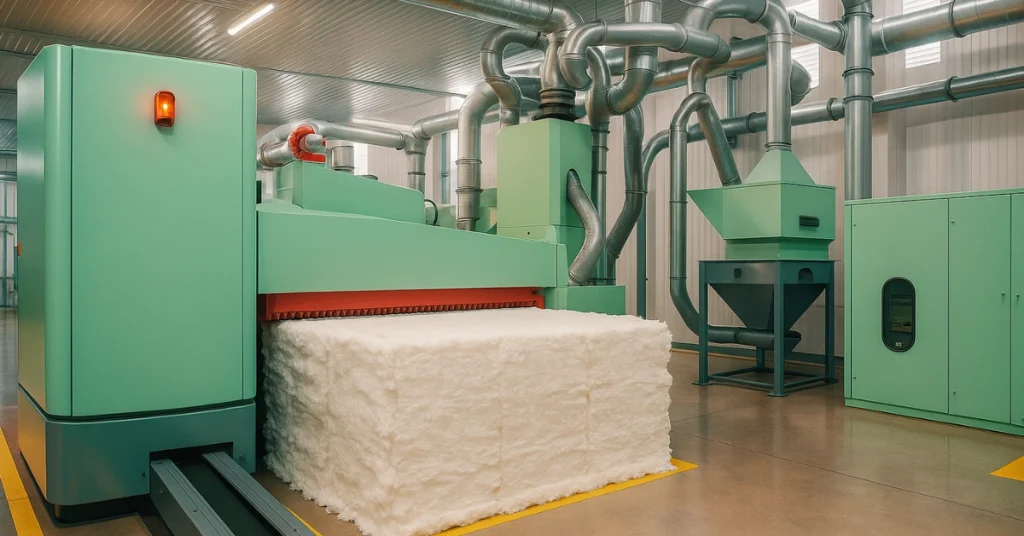
A continuous foaming machine is meant for one thing: steady slabstock output over long runs. No repeated batch starts. No constant stop-and-go rhythm.
Here’s how it typically plays out on the floor, in plain terms:
- Materials are fed continuously, not in batch loads
Polyol, isocyanate, and additives are delivered at controlled flow rates. The line doesn’t reset its mix every few minutes. - Mixing happens live, every second
Components are mixed and poured continuously. The reaction stays in a more stable pattern because conditions are not being restarted repeatedly. - The mix is poured onto a moving conveyor
Foam is laid down on the conveyor, spreads, rises, and moves forward as one continuous slabstock stream. - Rise and early curing happen in a controlled zone
This section matters more than people think. If the rise zone stays stable, you get fewer shape issues and fewer density swings. - The output is one long, consistent foam block
Instead of separate blocks with batch personality, you get a continuous slab that is easier to cut and easier to plan around.
What continuous foaming machine manufacturers usually notice first is not the technology. It’s the routine. The line stops feeling like it needs constant babysitting. That’s when efficiency starts showing up in real numbers.
Higher Output with Consistent Foam Quality
Higher output is attractive, but only if quality doesn’t wobble. Many plants can push volume, but the moment density shifts or the block shape changes, the gain disappears in trimming and rework.
A continuous foaming machine helps because the process stays stable for longer. When flow rates and reaction conditions don’t keep restarting, foam properties settle into a consistent pattern.
That consistency shows up downstream:
- Cutting gets a more predictable slab
- Conversions run with fewer adjustments
- Finished products stay closer to spec across batches and shifts
It also reduces the silent costs. Less rework. Fewer complaints. Fewer internal arguments between production and cutting about what happened on the line.
Material Efficiency and Reduced Production Waste
In foam manufacturing, waste has a habit of hiding. A little extra trimming here. A rejected block there. A start-up that didn’t settle fast enough. It adds up.
Batch systems often create waste during start-up and shutdown phases. You restart the reaction conditions. You lose some material to stabilise. Over the day, those small losses become a predictable drain.
A continuous foaming machine reduces this because there are fewer interruptions. Once the line is dialled in, it stays dialled in. Material usage becomes easier to forecast, and yield improves because you’re not constantly getting back to stable.
For manufacturers, this matters because raw materials are the biggest cost lever. Better yield is not a nice benefit. It’s margin.
Automation and Process Control in Continuous Foaming Lines
Automation in continuous foaming isn’t about making the line complicated. It’s about keeping the line calm.
Continuous lines use control systems to monitor key variables in real time. Flow rates, temperatures, pressures, and other process signals are tracked so deviations are caught early.
The practical outcome is simple:
- Fewer manual corrections
- Fewer sudden swings
- Fewer bad slabs that only show the problem later when cutting
Labour Optimisation and Smoother Shopfloor Operations
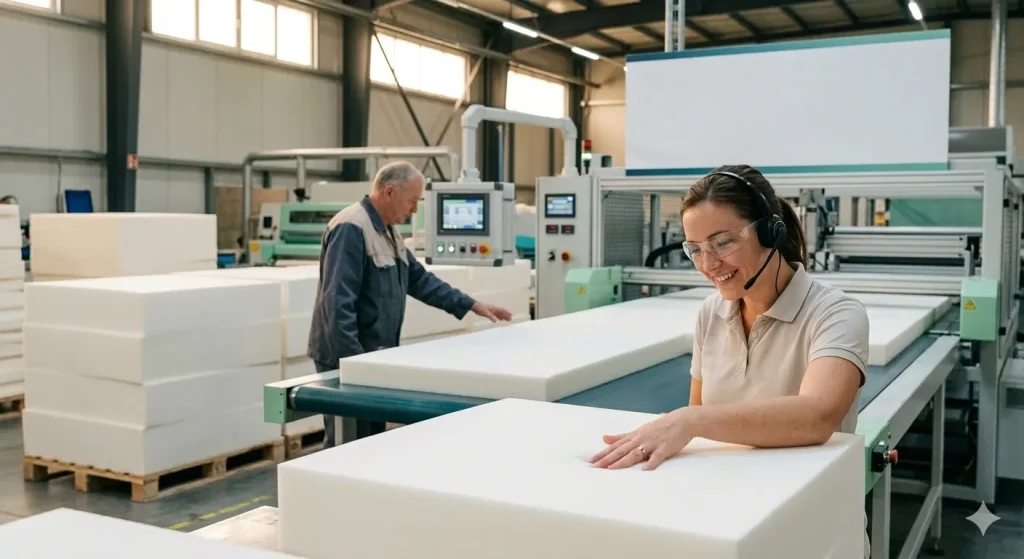
Batch production often creates a certain kind of stress on the shopfloor. Teams become used to frequent resets, sudden changes, and reactive decision-making. Each production cycle requires adjustments, making it harder to maintain a predictable workflow.
Continuous foaming brings greater stability to the manufacturing process. The production line runs for longer periods with fewer interruptions, allowing teams to plan their activities around consistent foam output. As a result, shifts become more organized because operators no longer need to manage repeated production restarts.
This improved consistency also supports downstream operations, especially foam cutting processes. With a reliable supply of foam blocks, manufacturers can schedule cutting operations more efficiently using advanced foam cutting machines and reduce delays caused by inconsistent material availability.
The benefits extend across the entire plant:
- Cutting operations can be scheduled more accurately
- Storage and material handling become easier to manage
- Dispatch planning becomes more predictable
- Production teams spend less time solving unexpected issues
A stable foaming process transforms the shopfloor from a reactive environment into a well-planned production system, helping manufacturers improve productivity and overall operational efficiency.
Key Factors to Consider Before Investing in a Continuous Foaming Machine
Continuous foaming is a serious investment. It works best when the plant is genuinely ready for it.
Before moving ahead, manufacturers should look at:
- Current and projected volumes
- Plant space and line layout
- Power, ventilation, and utilities readiness
- Operator skill and maintenance support
- Product mix and how frequently formulations change
If these basics are ignored, the machine may still run, but the efficiency benefits will not fully land. When the basics are planned properly, continuous foaming becomes a long-term upgrade that changes how the line behaves day after day.
The Role of Continuous Foaming Machine Manufacturers in Efficiency
A continuous foaming machine is not a buy-and-forget system. Support matters. Setup matters. Optimisation matters.
Good continuous foaming machine manufacturers provide more than hardware. They help with installation, tuning, and process stability. They support the line when conditions change, when raw materials behave differently, or when production needs shift.
This partnership affects efficiency directly. A well-supported line stays stable longer. A poorly supported line becomes trial-and-error. And trial-and-error is expensive.
Final Takeaway: When Continuous Foaming Becomes the Right Choice
Continuous foaming isn’t a trendy upgrade. It’s a practical shift toward stability.
For manufacturers dealing with higher volumes, tighter quality requirements, and rising cost pressure, continuous foaming can improve production line efficiency in a way batch systems struggle to match. Less waste, steadier quality, fewer disruptions, and a workflow that feels predictable instead of reactive.
When the time is right, moving to a continuous foaming machine is not about adding complexity. It’s about building a line that behaves the same way on Monday morning and Saturday night. That consistency is where efficiency really lives.