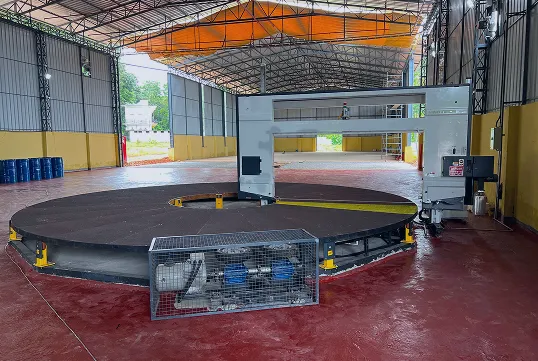
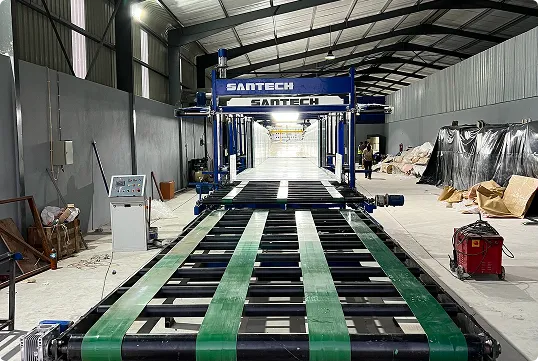
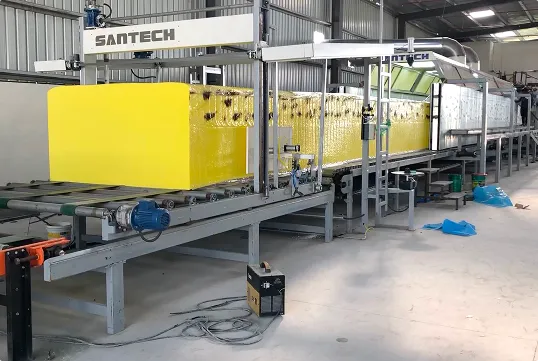


Polyurethane foam is widely used in mattresses, furniture, automotive seats, cushions and insulation, but is polyurethane foam toxic? Generally, fully cured polyurethane foam is considered stable when used as intended, while the raw chemicals used to manufacture it can require careful handling and workplace controls. The potential risk depends on the type of foam, its formulation, manufacturing process and level of exposure.
Isocyanates such as toluene diisocyanate (TDI) are important safety considerations during polyurethane foam manufacturing because occupational exposure can affect the respiratory system. For finished flexible PU foam products, consumer exposure is different and depends on the product and conditions of use.
This guide explains polyurethane foam toxicity, PU foam safety, potential health risks, off-gassing and manufacturing exposure, along with answers to common questions about polyurethane foam.
What Is PU Foam And How Is It Formed
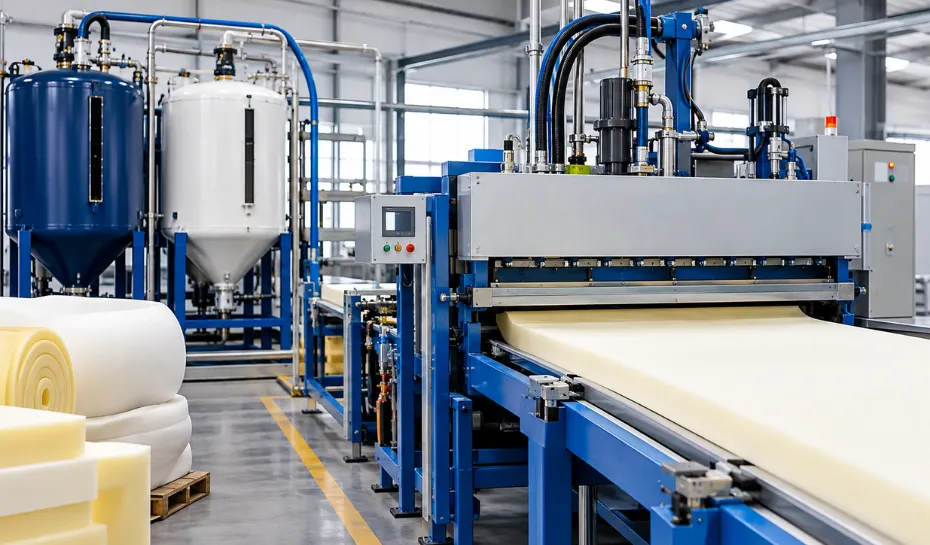
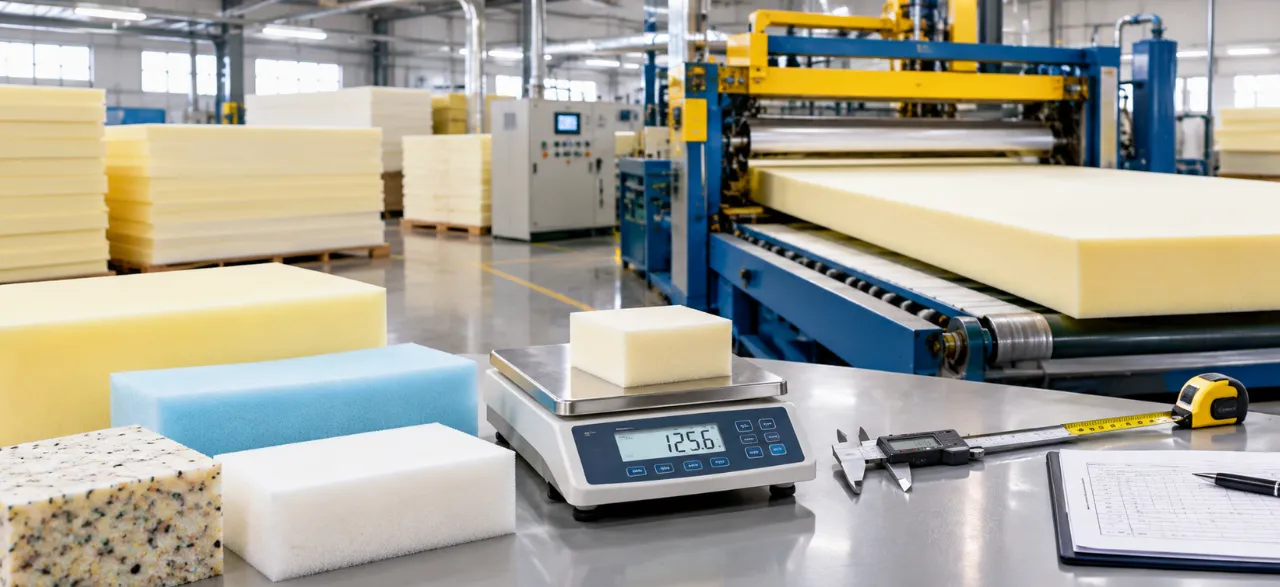
Polyurethane (PU) foam is made by combining polyols and diisocyanates with other formulation ingredients such as catalysts, surfactants and blowing agents. These components react and expand to form the foam structure. The formulation and processing conditions determine properties such as density, firmness, flexibility and cell structure.
The basic PU foam manufacturing process involves accurately mixing the raw materials, allowing the reaction and expansion to take place, and then forming and curing the foam into blocks or other required shapes. The production method and machine configuration depend on the type and volume of foam being manufactured.
For a detailed explanation of the production process, materials and stages involved, read our guide on how foam is made.
Is PU Foam Toxic?
Polyurethane foam should not be described simply as either “toxic” or “non-toxic” because the safety considerations differ between raw materials, manufacturing processes and finished foam products.
During PU foam production, reactive chemicals such as isocyanates require controlled handling because occupational exposure can affect the respiratory system and may contribute to respiratory sensitization. A study of flexible polyurethane foam industries in Western India found TDI exposure in several production areas and highlighted the importance of preventive and control measures.
For consumers, the exposure scenario is different. A published risk assessment of TDI exposure from flexible PU foam mattresses concluded that, under the exposure conditions evaluated, sleeping on the mattress did not pose TDI-related health risks to consumers.
Therefore, the more useful question is not simply whether polyurethane foam is “toxic,” but what type of PU foam is being used, how it was manufactured, whether it is fully cured, and what type of exposure is involved.
What Are the Health Risks of Polyurethane Foam?
The potential health concerns associated with polyurethane foam depend largely on the stage of production and the type of exposure.
Raw chemical exposure: Workers involved in polyurethane manufacturing may handle reactive isocyanates such as TDI. Workplace exposure to these substances can present respiratory hazards, making ventilation, exposure monitoring and appropriate protective measures important. Research in Western India has documented TDI exposure in flexible foam manufacturing environments.
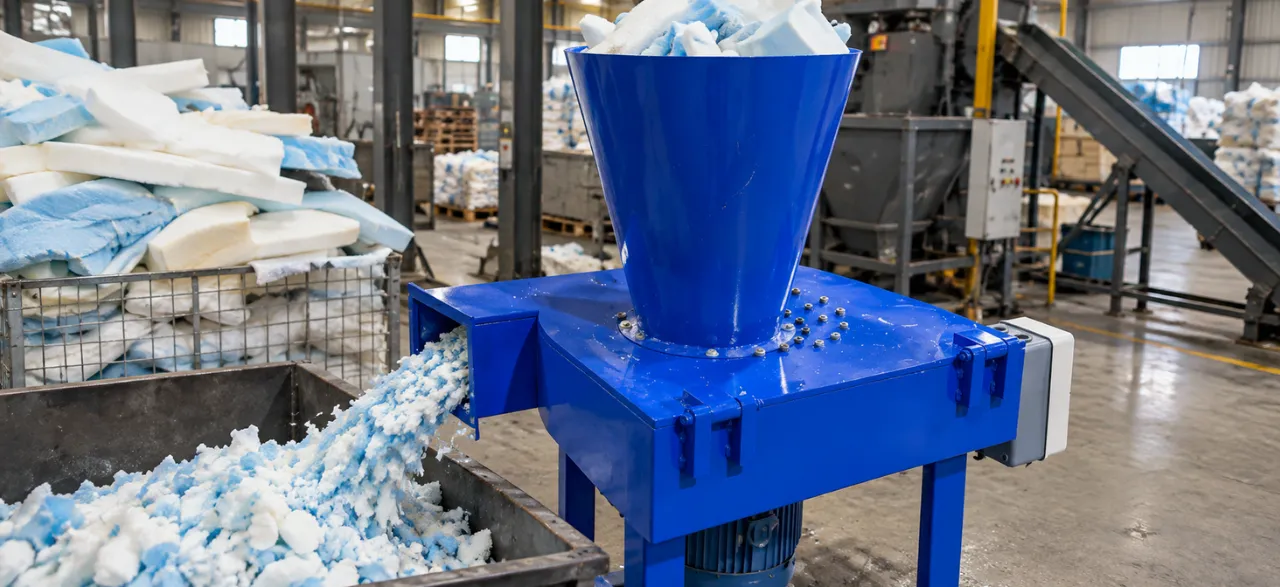
Foam cutting and processing: Cutting, grinding or shaping foam can generate dust and fine particles. These operations should be properly controlled with suitable extraction and housekeeping practices. HSE guidance specifically notes that grinding and routing flexible PU foam can generate significant dust.
Finished foam products: Consumer exposure is different from occupational exposure to raw chemicals. A risk assessment of TDI exposure from flexible PU foam mattresses found the estimated consumer exposure to be below the toxicity benchmarks used in that assessment.
Thermal exposure: Heating or burning polyurethane foam is a separate safety concern. PU foam can produce hazardous smoke and fumes when exposed to high temperatures or fire.
Is Polyurethane Foam Toxic During Manufacturing?
Polyurethane foam manufacturing involves a controlled production process in which raw materials such as polyols and diisocyanates are combined under defined operating conditions. The production setup, equipment, ventilation and handling procedures all play an important role in maintaining a consistent and well-managed manufacturing environment.
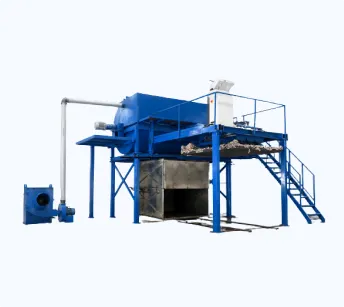
A suitable continuous foaming machine helps manufacturers maintain controlled and consistent foam production by integrating key stages of the foaming process. Proper machine operation, ventilation, chemical handling procedures and operator training further support an efficient production environment.
For manufacturers planning to scale PU foam production, selecting the right continuous foaming machine according to production capacity, foam requirements and process needs can help improve consistency and operational efficiency.
Uses Of PU Foam
PU foam is usually considered one of the most versatile materials in the industry due to its flexible uses in our daily lives. Be it automobiles, upholstered furniture, or electrical insulation sectors, we come across this material almost every hour of the day. However, their applications vary depending on the type i.e. closed cell PU foam or open cell PU foam.
Flexible polyurethane foams are typically used in mattresses, chairs, furniture, and speciality items necessary for cushioning. Since they often have low densities, these foams are flexible and have a bouncing effect. The foams are evaluated according to several criteria, including firmness, stiffness, load-bearing ability, compressibility, densities, tensile strength, split, shear, and elongation resistance, among many others. This contributes to obtaining higher relevance and quality. They are a secure home solution because they do not melt when heated. This material can also be used to produce synthetic textiles like Spandex, high-performance adhesives, and roller coaster wheels.
Most Frequently Asked Questions About PU Foam
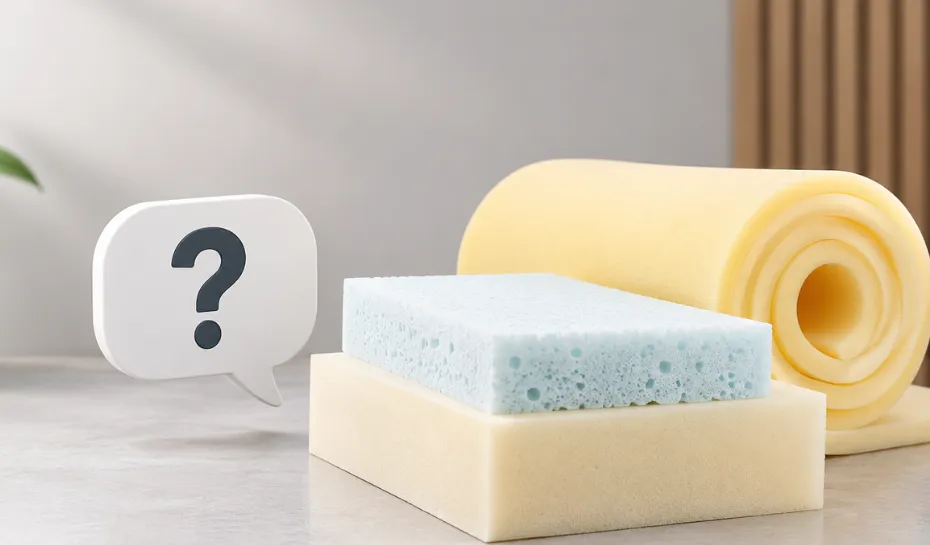
1. Is Polyurethane Foam Toxic?
Polyurethane foam is generally stable when fully cured and used as intended. However, the raw chemicals used to manufacture PU foam, particularly isocyanates, require careful handling. Safety therefore depends on the foam formulation, manufacturing process and type of exposure.
2. Is Polyurethane Foam Safe?
Fully cured polyurethane foam is generally stable when used as intended. However, safety can vary by formulation, additives and product quality. Raw materials used during manufacturing require stronger safety controls than finished PU foam products.
3. What Is Polyurethane Foam Made Of?
Polyurethane foam is mainly made by reacting a polyol with a diisocyanate, along with other ingredients such as catalysts, surfactants and blowing agents. The formulation determines properties such as foam density, firmness, flexibility and durability.
4. Does Polyurethane Foam Release Toxic Fumes?
Some polyurethane foam products may release VOCs or other volatile compounds, particularly when new. The level depends on the formulation and manufacturing process. Good ventilation can help reduce exposure to emissions from newly manufactured foam.
5. Is Polyurethane Foam Safe for Mattresses?
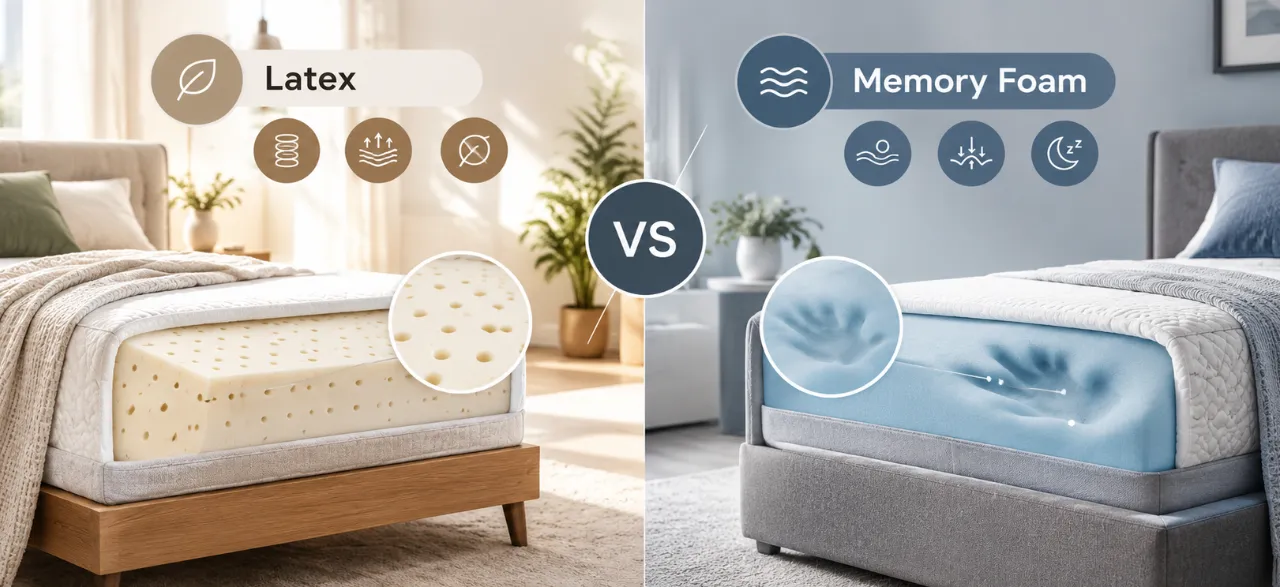
Polyurethane foam is widely used in mattresses and cushioning products. Consumer exposure to finished foam differs from exposure to raw chemicals during manufacturing. Product formulation, quality and intended use should be considered when evaluating mattress safety.
6. What Kinds Of Products Can Be Made From Polyurethanes?
Being highly adaptable, PU foam can be used for nearly anything, from roof insulation to surfboards. The initial elements can be combined in infinite ways; consequently, there are an endless number of possible end products. The manufacturers are being compelled to think of creative uses for this material by the abundance of perks. The list is expanding every day as polyurethanes replace numerous conventional materials like rubber and metals.
7. What Materials Makeup Polyurethane Foam?
A diisocyanate and a polyol undergo a chemical process to produce polyurethane. Once this reaction has taken place, a safe and incredibly adaptable substance is produced. Resilience, flexibility, and stiffness are just a few of the many different qualities it might have depending on the combination of materials used.
8. What Is The Lifespan Of Pu Foam?
The application and type of use will affect how long polyurethane lasts. We can estimate a lifespan of 50+ years under regular use and frequent wear and tear for building insulation.
9. Does Polyurethane Foam Pose A Risk To People?
Once the chemical interaction between its constituent parts has occurred, the outcome is a polyurethane foam is entirely inert and safe for people.
5. Can Polyurethanes Be Recycled?
Yes, you can recycle any type of polyurethane. However, recycling may not always be the best option for the environment. Energy recovery is sometimes the best choice because recycling requires energy.
Conclusion
So, is polyurethane foam toxic? Polyurethane foam is widely used in mattresses, furniture, automotive seats, cushions and other products. When fully cured and used as intended, it is generally stable, while the raw chemicals used to manufacture it require proper handling and safety controls.
As discussed in this guide, potential concerns can vary with off-gassing, manufacturing exposure, foam cutting, dust and fire conditions. Therefore, understanding the type of polyurethane foam and its intended application is important for safe use and production.
For manufacturers, choosing the right foam making machine and following appropriate production and safety practices can support efficient PU foam manufacturing. Santech Foam Machines provides foam making and foam cutting machines for different foam production requirements.
If you are planning to manufacture polyurethane foam or upgrade your existing production setup, contact Santech Foam Machines to find suitable machinery for your requirements.