

The foam industry is massive, providing different foam types with specific properties suited for different applications. From comfort-based products like mattresses to practical-based solutions in automotive and construction, the versatile nature of foam materials cannot be overstated.
Modern foam machines have transformed the way foam is produced, thereby improving consistency, quality, and efficiency in the foam manufacturing process. So, in this blog, we will explore different foam variations, the role of PU foam production, and how the latest inventions in foam machinery can enhance your production line.
What are Foam Variations?
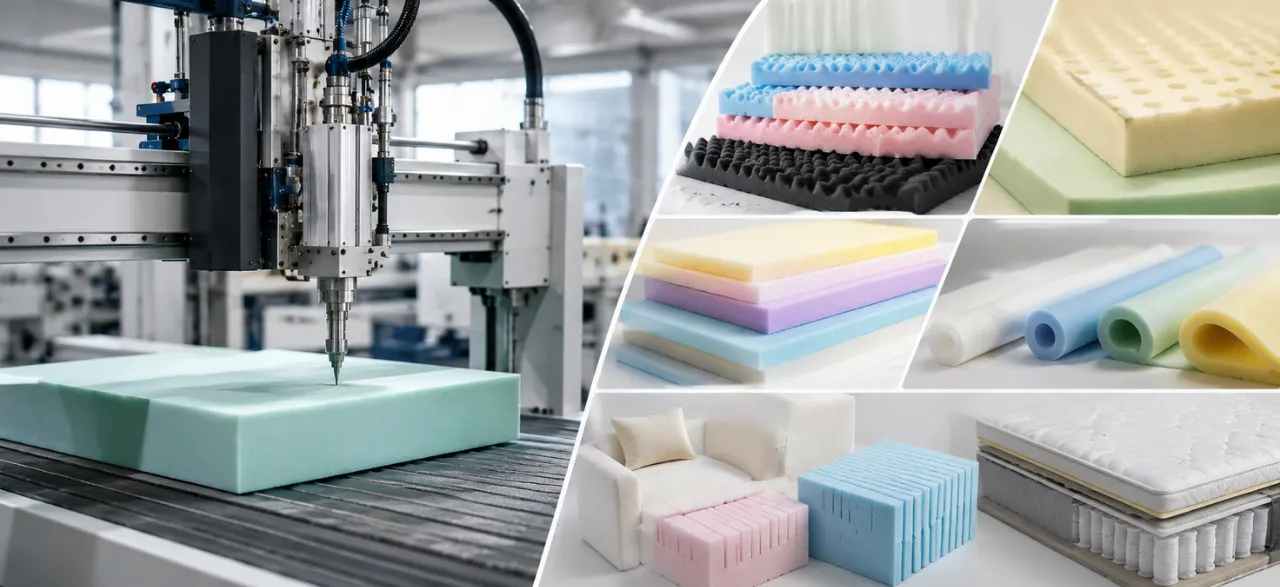
The foam industry produces an extensive range of foam types, each with unique characteristics and applications. These variations are created by altering the production process, ingredients, and the equipment that is used for manufacturing foam. Mentioned below are the main types of foam:
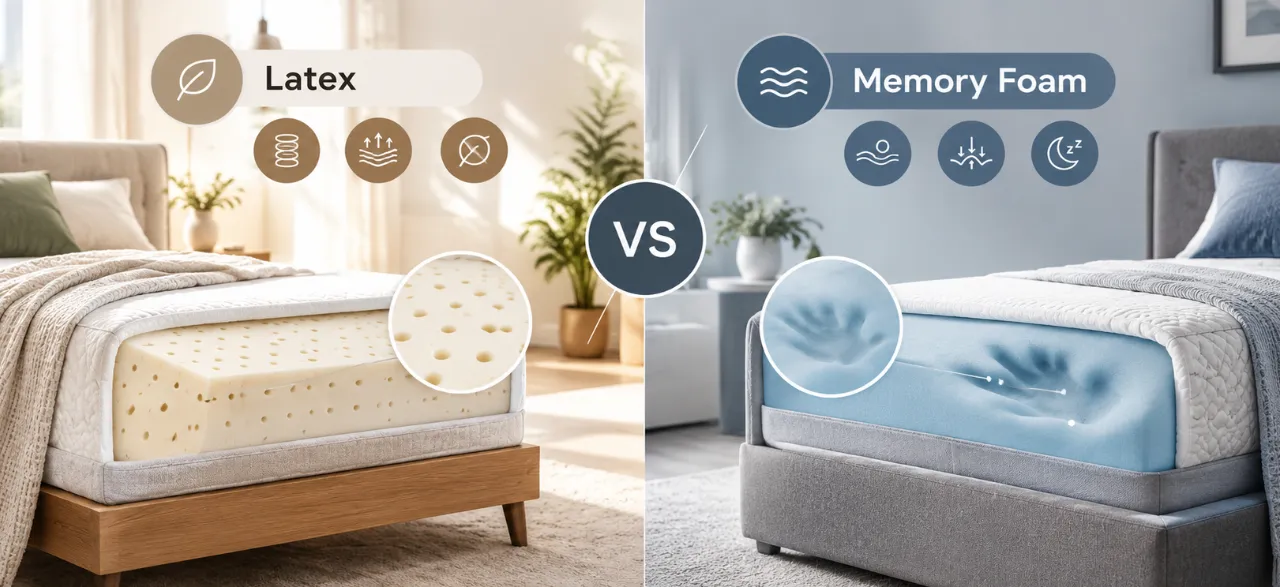
- Open-Cell Foam: An open-cell foam is well-known for its softness and breathability, which makes it a suitable choice for comfort-based applications. In this foam, the air cells are not completely enclosed, which permits the air to flow freely. This USP makes open-cell foam perfect to be used in mattresses, pillows, and upholstery.
- Closed-Cell Foam: Compared to open-cell foam, closed-cell foam includes tightly sealed air pockets that provide a greater degree of durability, water resistance, and support. They are commonly used in applications that demand enhanced strength and resilience, such as insulation materials, flotation devices, and automotive seating.
- Memory Foam: It is a specialised type of foam known for its seamless ability to mould to the contour of a person’s body. When pressure is applied, memory foam softens, offering a customised fit with excellent support for comfort. Foam of this type is mainly used in mattresses and cushions, offering relief from pressure points.
- High-Resilience Foam: Also known as HR foam, it has a higher degree of elasticity compared to regular foam types. It not only provides long-lasting support but is also known for its ability to return to its original shape after compression.
The Polyurethane Foam Production Process
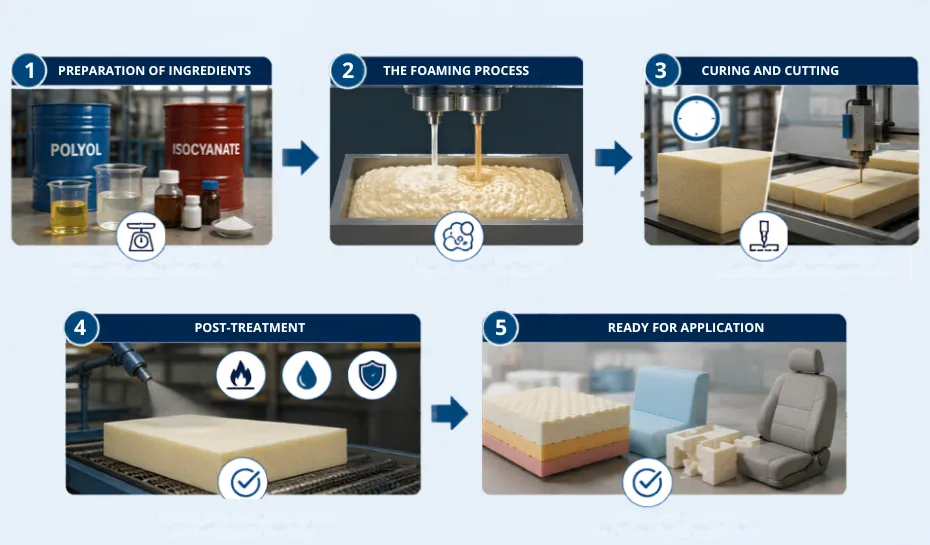
PU foam is one of the most widely used materials in the foam industry due to its versatile nature. It is affordable and suitable for a wide range of applications. Polyurethane or PU foam is produced using a PU foam machine, where a chemical reaction takes place between polyol and isocyanate. This process results in foam that can be customised to achieve different characteristics such as firmness, elasticity, and density.
The foam manufacturing process consists of several stages, and each stage plays an important role in producing exceptional-quality foam products.
Preparation of Ingredients
As a first and foremost step, the PU foam production process consists of carefully choosing and measuring raw materials. Polyols and isocyanates are the key ingredients, but a wide variety of additives are also used, including catalysts, blowing agents, and stabilisers, to control the foam’s properties.
The Foaming Process
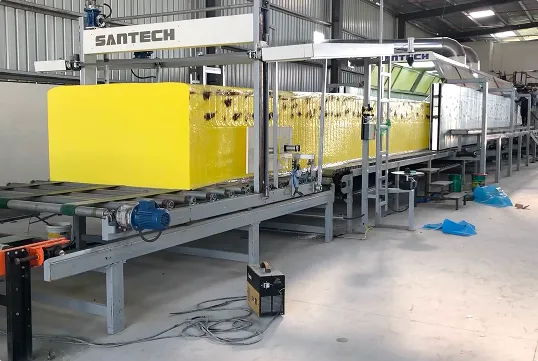
Once the ingredients have been properly mixed, the chemical reaction starts, which in turn causes the mixture to expand and form foam. This action happens due to blowing agents, which help in releasing gas to create air pockets within the foam. The process can be easily controlled to produce foam of different densities, ranging from soft and flexible foams to rigid and high-density foams.
Well, the foaming process usually takes place in a mould, where the foam is allowed to solidify and expand.
Curing and Cutting
Once the foam has been produced and expanded, it needs to cure to solidify and ensure that it has the right durability. Curing can take anywhere between a few hours to a complete day, depending on the type of foam being produced and the desired end properties.
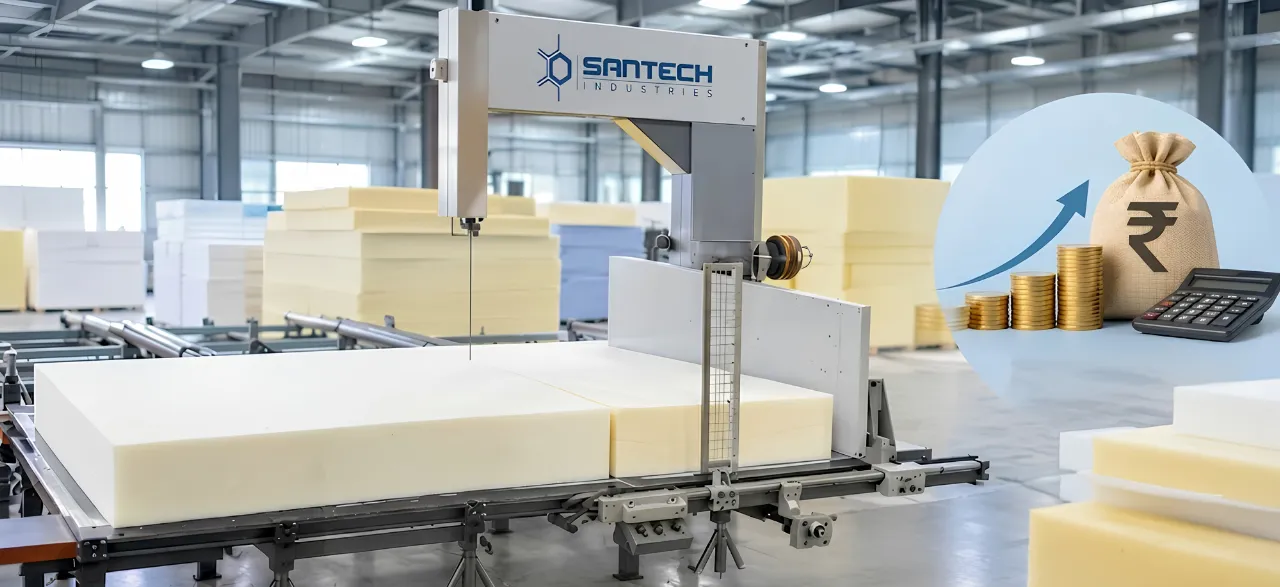
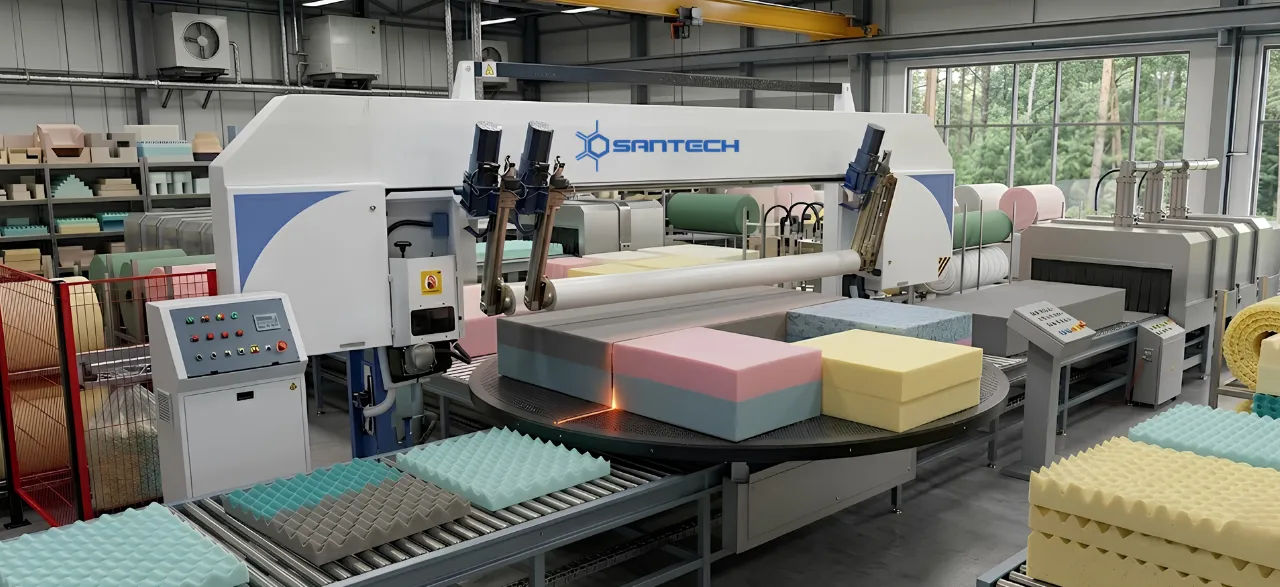
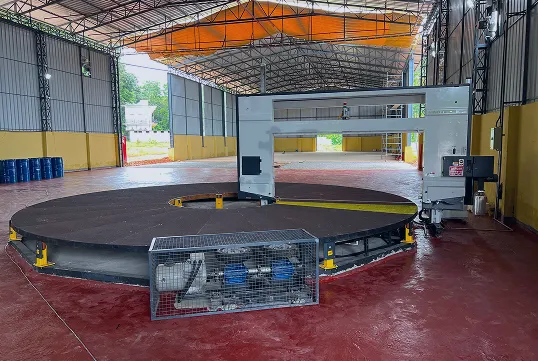
Once cured, the foam is cut into desired shapes and sizes. This is where advanced foam cutting machines come into action. They offer precision and accuracy in shaping foam blocks for different products.
Post-Treatment
For some types of foam, additional treatments may be needed to enhance their properties. These treatments consist of adding flame retardants, improving the water-resistance capability of a foam, and applying coatings to improve overall durability. Depending on the type of application, these additional steps will help in improving the foam’s functionality.
Types of Foam Production Machines
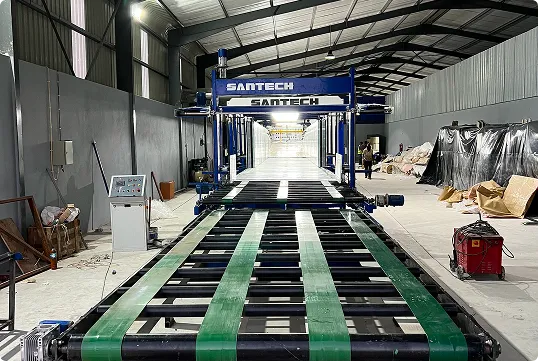
Modern foam machines are needed for producing uniform and high-quality foam. These machines play an integral role in ensuring that the foam production is efficient, precise, and capable of creating a wide range of applications.
Primary Machines in Foam Manufacturing
| Machine Type | Primary Function | Key Features | Benefits |
|---|---|---|---|
| PU Foam Machine | Produces polyurethane foam in various densities and grades. | Advanced controls, automated operation, precise foam formulation. | Ensures uniform foam quality and consistent large-scale production. |
| Foam Cutting Machine | Cuts cured foam into required sizes and shapes. | Precision blades, accurate cutting, customizable dimensions. | Reduces material wastage and improves production efficiency. |
| Foam Mixing Machine | Mixes raw materials before the foaming process. | Accurate dosing, uniform blending, controlled mixing ratios. | Maintains consistent foam quality and optimizes raw material usage. |
Applications of Different Foam Types Across Industries
Different foam types are developed to meet the unique requirements of various industries. With the help of modern foam machines, manufacturers can produce foam in different densities, firmness levels, and structures, making it suitable for a wide range of applications. From comfort products and packaging materials to insulation and automotive components, foam plays a vital role in improving product performance, durability, and user experience.
- Furniture Industry: Flexible polyurethane foam is extensively used in sofas, chairs, cushions, and other upholstered furniture because of its comfort, resilience, and long-lasting support.
- Mattress Manufacturing: Memory foam, conventional PU foam, and high-resilience foam are commonly used in mattresses to provide enhanced comfort, pressure relief, and better sleep quality.
- Automotive Sector: Foam materials are used in vehicle seats, headrests, armrests, and interior components to improve passenger comfort, safety, and noise reduction.
- Packaging Industry: Protective foam packaging helps prevent damage to delicate products such as electronics, appliances, and industrial equipment during transportation and storage.
- Construction and Insulation: Closed-cell foam is widely used for thermal insulation, roofing systems, wall panels, and energy-efficient building applications due to its excellent insulating properties.
- Medical and Healthcare Products: Specialized foam is used in hospital mattresses, orthopedic cushions, wheelchair seating, and patient support products designed for comfort and pressure management.
- Footwear Manufacturing: Lightweight foam materials are incorporated into shoe soles and insoles to provide cushioning, flexibility, and shock absorption.
- Acoustic Applications: Open-cell foam is commonly used in studios, theaters, offices, and industrial facilities to absorb sound and reduce unwanted noise.
Innovations in Foam Production
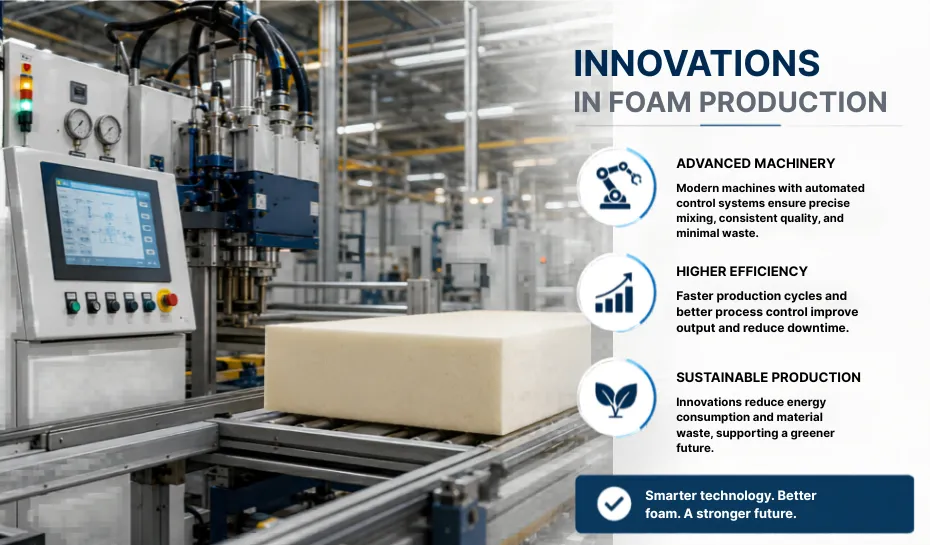
The foam manufacturing process has undergone some of the major technological advancements in recent years, especially in the areas of machinery and production efficiency. Newer foam production machines provide enhanced features like automated control systems, which ensure accurate ingredient mixing, better control over the foaming process, and reduced waste.
Well, these innovations not only make production faster but also help in contributing towards more sustainable manufacturing practices by reducing energy consumption and material waste.
Wrapping Up
When choosing foam manufacturing equipment, it is important to choose machines that provide better precision, efficiency, and versatility. Santech Foam Machines are well-known for their high-quality performance and advanced technology, which makes them a top choice for companies looking to enhance their foam production capabilities.
So, whether you’re producing memory foam for mattresses or high-density foam for industrial applications, the company provides all the vital tools needed to create exceptional quality foam products.