

Waste management and recycling are the primary components of the global sustainability efforts, especially when it comes to the industries that produce foam waste.
Foam is lightweight and bulky, which makes it difficult to recycle. As concerns around sustainability continue to rise, the need for better and more efficient foam recycling methods has become more important. One of the most efficient ways to improve foam recycling is through an industrial foam shredding machine. These machines play an important role in breaking down the foam into smaller pieces, which makes it easier to manage, transport, and recycle.
So, in this blog, we will focus on how a foam shredding machine works, how they boost recycling efforts, and why they are important for businesses aiming to reduce waste and improve sustainability.
What is a Foam Shredding Machine?
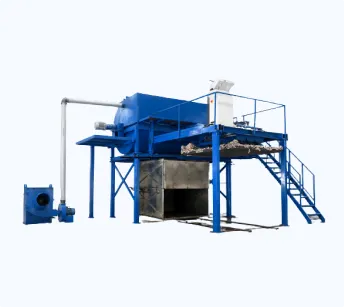
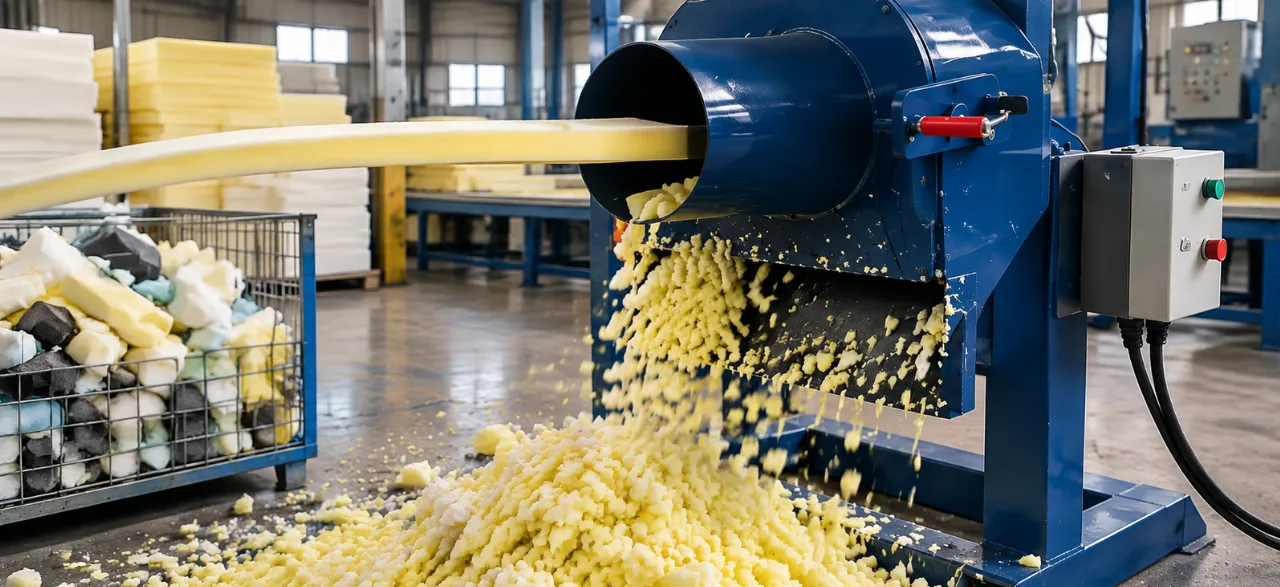
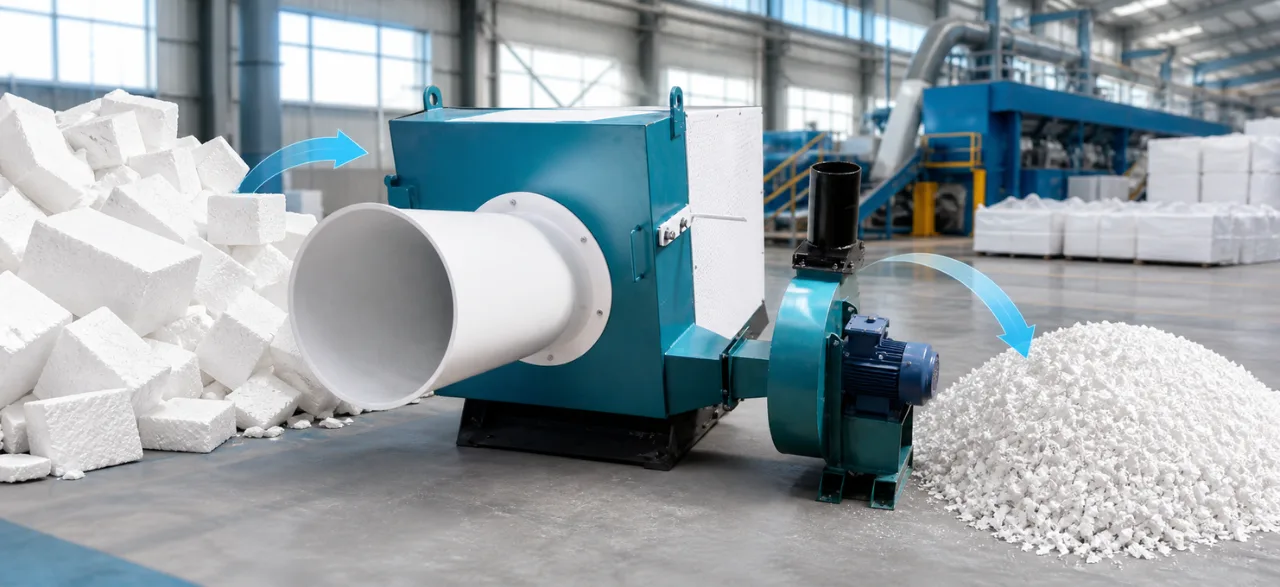
It is an industrial device that is designed to break large foam blocks into smaller and more manageable pieces. Once they are shredded, it becomes easy to sort the foam, transport it, and recycle it into new products. This process is primarily important in industries like packaging, automotive, and furniture, where foam is used on a large scale.
These machines are strong enough to handle different types of foam, including old mattresses, foam packaging, and foam scraps from production. Once shredded, the foam can be reused in producing new foam products or repurposed into other items.
How Can Foam Shredding Machines Improve Recycling Efficiency?
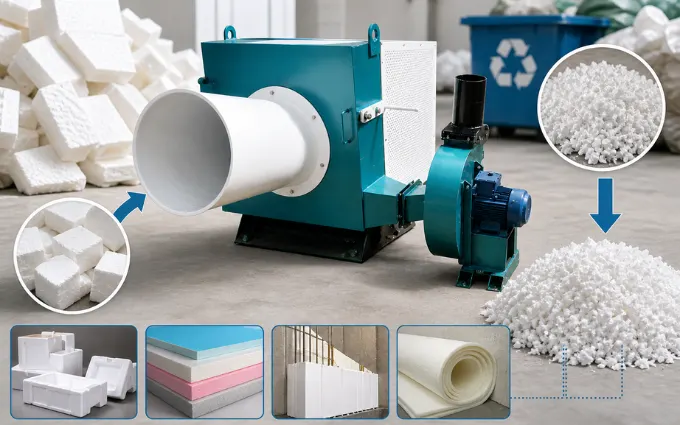
Due to its bulky and non-biodegradable nature, recycling foam can be a challenging task. This is where a foam shredding machine can help you overcome these challenges smoothly, thereby making the process of recycling easier and more efficient.
Space-Saving and Easy Handling
Well, foam waste can take up a lot of space, especially in large blocks. But a foam shredder machine solves this problem by minimising the size of the foam waste, which in turn makes it easier to store, transport, and handle.
Small foam pieces take up less space, and this is a major benefit for businesses that have compact spaces for storing waste.
In addition, shredded foam is easier to sort, enabling businesses to segregate different types of foam for recycling. This makes the process of recycling smoother and more effective.
Improved Sorting and Processing
After the process of shredding is complete, it becomes easier to separate and process the foam. Shredded foam can easily be sorted by density or type, thereby ensuring that only the best quality is recycled.
For instance, foam from old mattresses can be reused to make new foam products or insulation materials, while other types of foam can be used for packaging.
By breaking down foam into smaller and uniform pieces, a foam shredder helps improve the overall sorting and recycling process.
Increased Recycling Rates
The efficiency of a foam shredder directly impacts the rate of recycling. Smaller foam particles make it simpler to recycle the material. A shredded foam can be easily reintegrated into the production process, either to create new foam products or for other uses like packaging and insulation.
Moreover, the process of recycling foam not only reduces the demand for new raw materials but also lowers the production costs. As industries aim to reduce their environmental impact, foam shredding machines offer an excellent solution for improving the overall recycling rates.
Cost Savings
The disposal of foam waste can be an expensive affair, especially for industries that produce large amounts of foam. Well, a foam shredding machine helps in reducing these costs by allowing businesses to recycle foam rather than sending it to landfills.
Recycling foam also helps in lowering waste disposal fees and the need for new materials. In the long run, businesses that invest in foam shredder machines can save money by reusing foam and minimising the need for new raw materials.
Benefits of Foam Shredding in Waste Management
Efficient waste management is important for businesses looking to meet environmental standards and reduce carbon footprints. Some of the vital benefits offered by a foam shredder are:
Reduction in Environmental Impact
Foam is non-biodegradable, which means that it does not break down easily in landfills. By recycling foam using foam shredding machines, businesses can easily divert a major amount of foam waste from landfills, thereby reducing its environmental impact.
As already mentioned above, recycling foam also helps in decreasing the demand for new raw materials, which in turn helps in conserving natural resources.
Support the Circular Economy
Shredding and recycling foam supports the concept of circular economy. Rather than treating foam as waste, it becomes a valuable resource that can be reused. This, in turn, helps in saving resources and pushes businesses to adopt more eco-friendly and sustainable manufacturing practices.
In a circular economy, materials are continuously recycled, which helps in minimising waste and conserving resources.
Enhanced Waste Management Efficiency
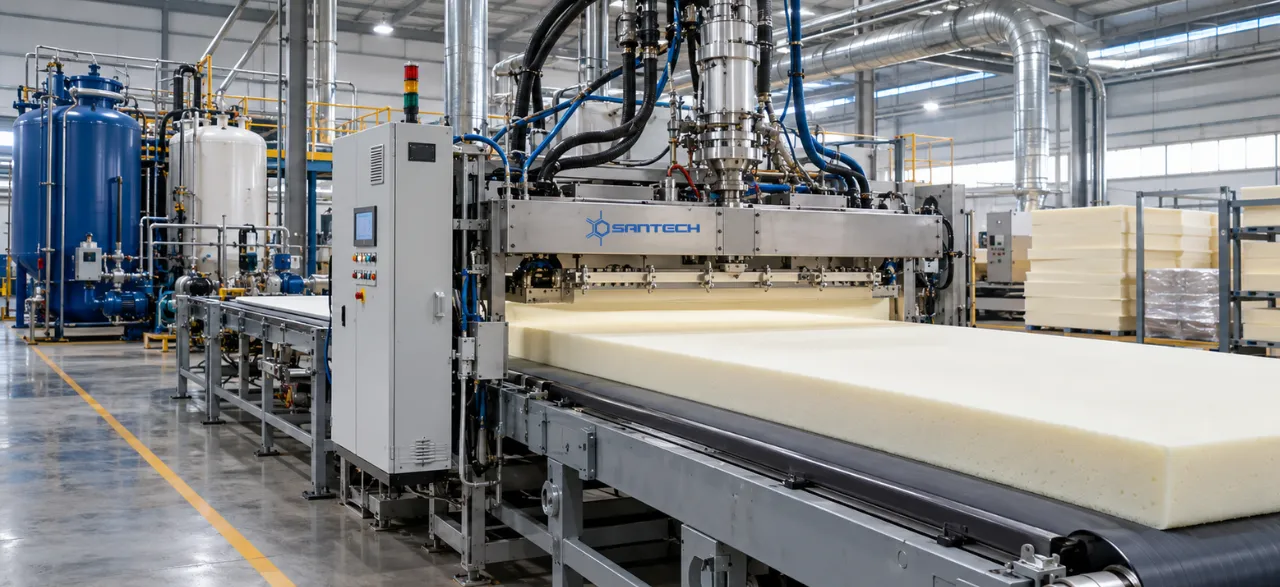
Foam shredding machines help streamline the process of waste management by reducing the total volume of foam waste. With smaller foam pieces, it becomes easier to manage, transport, and recycle the material. When integrated with a PU foam machine, the overall production and recycling process becomes more efficient and well-coordinated. This not only improves waste processing but also helps businesses save time and effort.
An efficient waste management system enables businesses to operate smoothly while ensuring they meet their sustainability goals.
Choosing the Right Foam Shredding Machine for Your Business
When selecting a foam shredder, there are several factors that you need to consider so that you can choose the best equipment to suit your needs. These factors include:
- Type of Foam: Different types of foam demand different shredding capacities. So, make sure that the machine can easily handle the specific foam type that you deal with.
- Shredding Capacity: The total amount of foam waste that your business generates will determine the capacity that your foam shredder needs.
- Energy Efficiency: Foam machine manufacturers should choose a machine that is energy-efficient and will also help in reducing operational costs.
- Maintenance: Carefully pick foam recycling equipment that is easy to maintain, with available parts and good customer support.
Companies like Santech Foam Machines are trusted foam machine manufacturers that offer reliable and durable foam shredders. When selecting a manufacturer, it is important to take into account their reputation, product quality, and customer service.
Wrapping Up
Foam shredding machines play a pivotal role in improving foam recycling and waste management efficiency. By reducing foam waste to smaller, more manageable pieces, these machines make it simpler to recycle foam, reduce waste disposal costs, and promote sustainability.
Therefore, investing in a good-quality foam shredding machine can reap long-term benefits for your business and the environment.