

During the course of industrial production, downtime can turn out to be a costly affair. For operators working on foam manufacturing equipment, witnessing an important machine fail in the middle can be a major cause of headaches. So, the big question that arises: Should you repair the equipment or invest in a replacement?
Well, the decision is not purely financially based; it will also affect production efficiency, product quality, and overall workplace safety. So, in this guide, we will be breaking down when repairs make sense, when replacement will be a smarter choice, and the factors that you need to consider to ensure that your operations are running smoothly.
Understanding the Basics of Foam Manufacturing Equipment
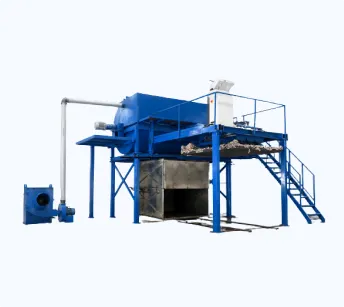
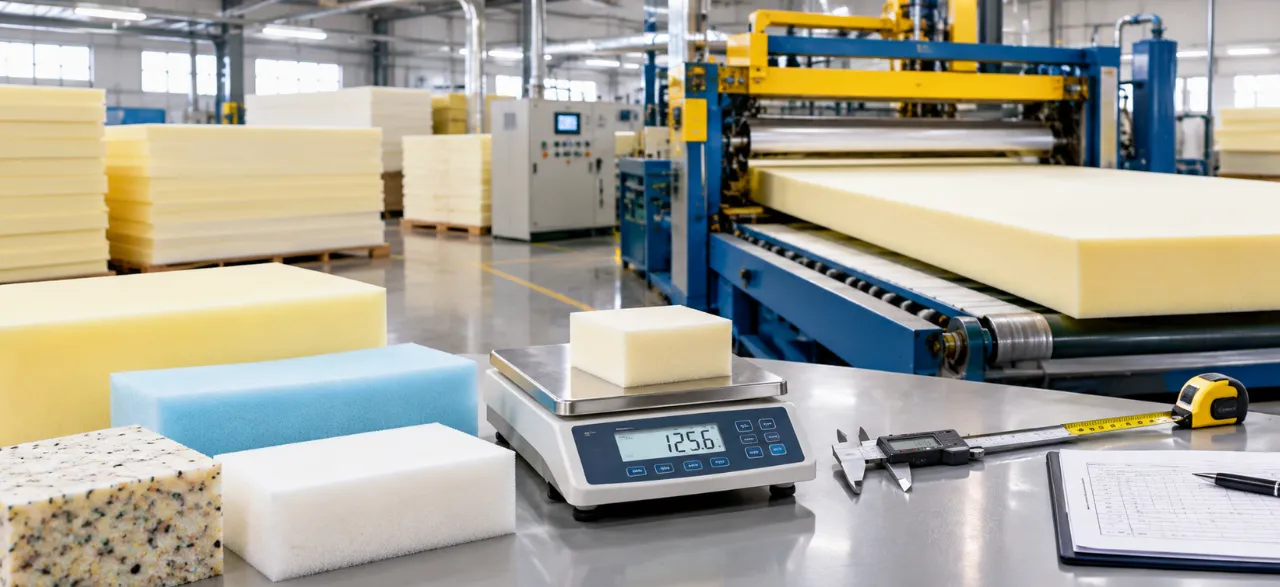
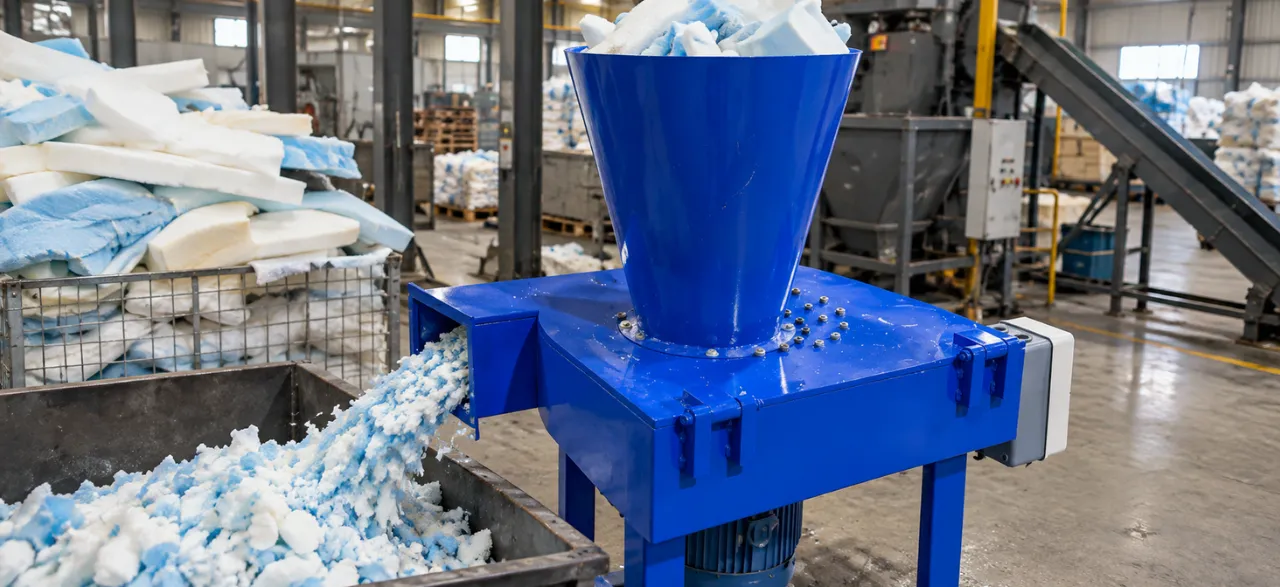
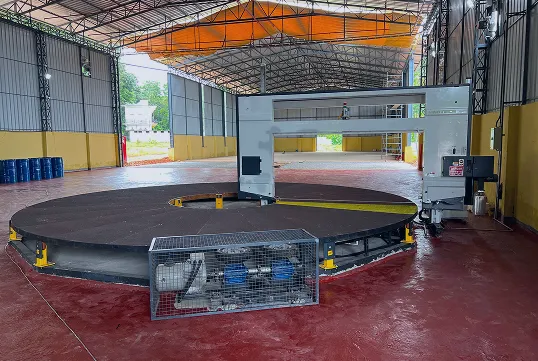
Foam manufacturing equipment forms the heart and soul of the majority of industrial and commercial operations. These machines are designed to convert basic raw materials into high-quality PU foam that is used in bedding, furniture, automotive seating, and packaging.
Based on your facility’s scale and output requirements, the complexity and the cost of your machines will vary. Foam machines mainly consist of pumps, mixers, chemical storage units, and control panels that will help you to manage density, temperature, and flow. You need to make sure that timely maintenance and servicing requirements are always met, as even minor issues in these systems can significantly reduce the foam quality or even halt production.
Types of Foam Machines You Should Know About
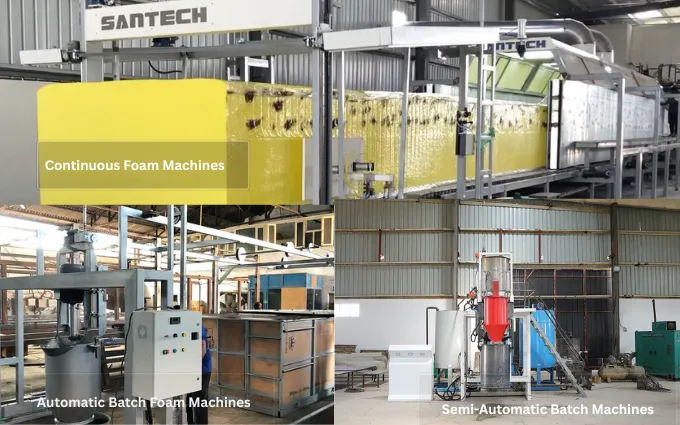
The type of foam machine that you use will affect both the decisions related to repair and replacement.
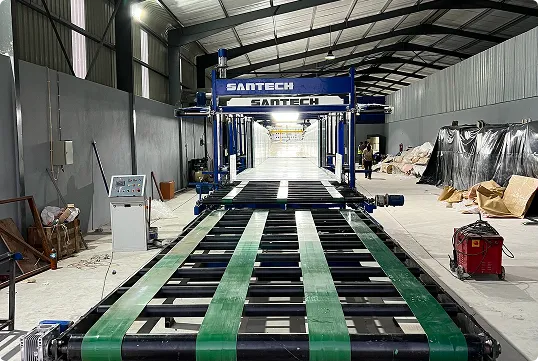
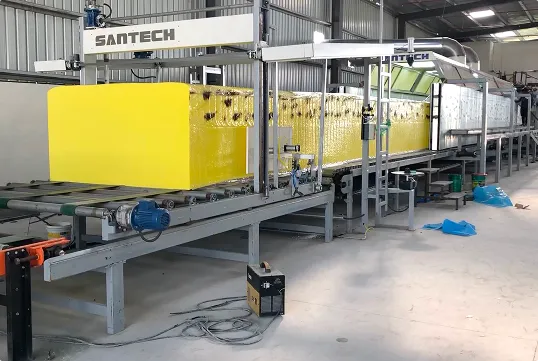
- Continuous Foam Machines: They are best suited for large-scale production, as these machines work non-stop, thereby producing uniform foam blocks or slabs. Though highly efficient, their complexity can make the repairs expensive if the key components fail.
- Automatic Batch Foam Machines: These machines are designed for medium-scale production, and they can handle foam in individual batches, providing flexibility. Repairs largely revolve around the replacement of parts like valves or sensors, but are more manageable.
- Semi-Automatic Batch Machines: They combine automatic processes along with manual intervention. These machines are versatile and easy to repair, which makes them perfect for facilities experimenting with different foam formulations.
When Does Repairing Foam Machinery Make Sense?
Repairing foam machines can save you time and money, but this is only possible in the right situations. Mentioned below are the situations where repairing can be worth considering.
Localised Faults
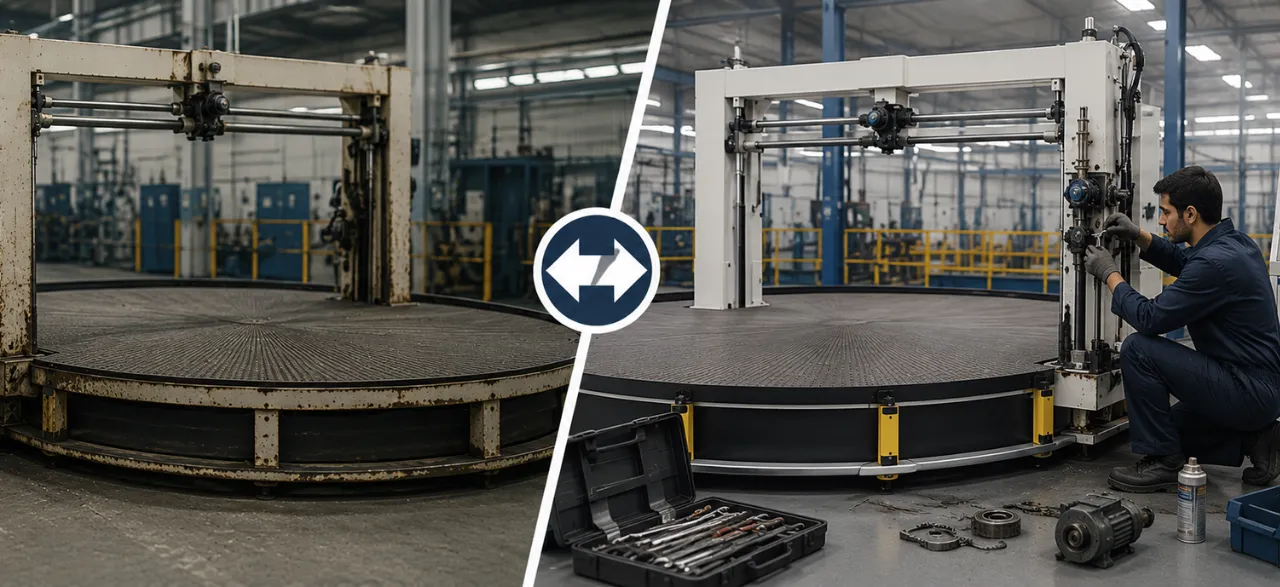
Some problems are quite simple. A leaky seal, damaged sensor, or minor electrical fault may not guarantee a full replacement. In such cases, opting for targeted foam machine repair is an ideal choice, as it will help you in restoring the machine’s peak efficiency with minimal downtime. Additionally, repairing localised issues also helps in keeping the overall costs lower without impacting the existing equipment investments.
Recent Machines With Modern Features
Machines that are relatively new or include advanced features are often better repaired. Companies like Santech Foam Machines make use of sophisticated metering and control systems. A full replacement could be expensive, especially if a simple repair could help restore the full functionality while maintaining technological benefits.
Reduced Downtime and Production Losses
It is commonly seen that minor repairs require less downtime than installing a new machine. When the production schedules are tight, repairing primary components can help in preventing costly delays. In addition, regular maintenance also complements repairs, thereby extending machine life and improving overall productivity.
When is Replacement a Smarter Option?
Though repairs can be a compelling option, there could be some situations that will make replacement a much better option.
Severe Structural or Mechanical Damage
Machines that come with warped frames, compromised alignment, or major electrical issues may not be able to function properly at their original efficiency after repairs. However, replacement will ensure uniform foam quality and remove the risk of recurring breakdowns.
Frequent Failures and Hidden Costs
Repeated foam machine repair can turn out to be an expensive cycle. From downtime to maintenance calls and irregular output, issues like these often outweigh the short-term savings plan. But replacement can reduce long-term costs by avoiding these hidden expenses.
Technological Upgrades and Efficiency Gains
Modern foam manufacturing equipment mainly consists of energy-efficient motors, advanced control panels, and improved mixing technologies. Replacing old machines may increase output, reduce energy consumption, and improve product uniformity.
Assessing Repair vs. Replacement: Key Considerations
Before finalising between repair and replacement, the following are the key factors that you need to consider:
| Key Consideration | Impact on Decision |
|---|---|
| Damage Severity | Minor faults can often be repaired, while severe damage may justify a complete replacement. |
| Machine Age & Condition | Older machines with recurring issues are generally more suitable for replacement than repeated repairs. |
| Availability of Spare Parts | Limited access to spare parts can increase repair costs and extend equipment downtime. |
| Production Demand | For high production requirements, replacing the machine may offer greater reliability and efficiency. |
Wrapping Up
Choosing between repair and replacement for foam machinery is a well-planned decision. While repairs provide short-term savings, outdated technology makes replacement a smarter investment.
In fact, companies like Santech Foam Machines provide access to modern equipment that can easily enhance efficiency, maintain uniform quality, and reduce overall operational expenses. By carefully assessing machine condition, repair feasibility, and the possibility of potential productivity gains, manufacturers can ensure that their production lines remain reliable and cost-effective.