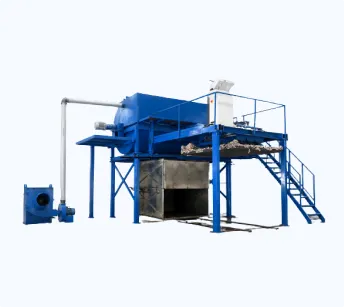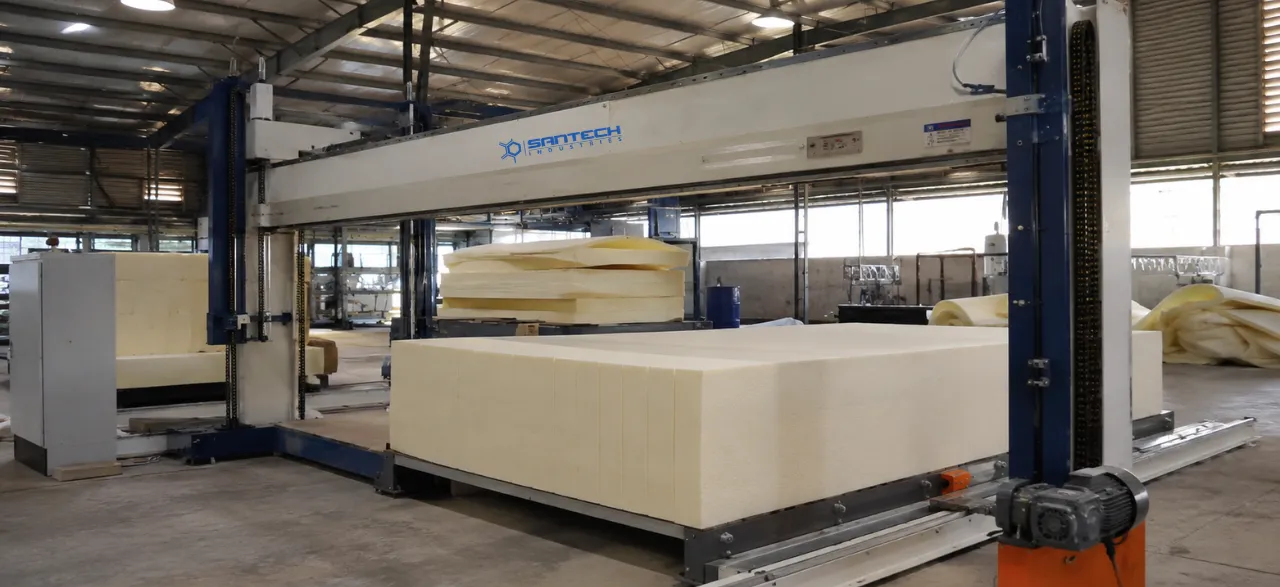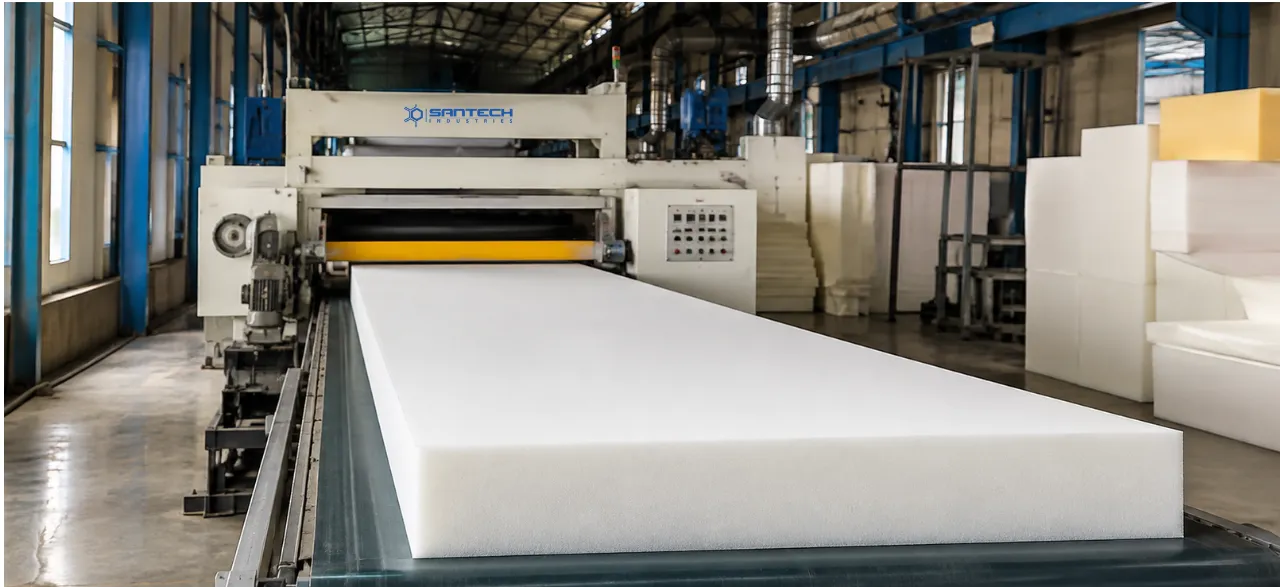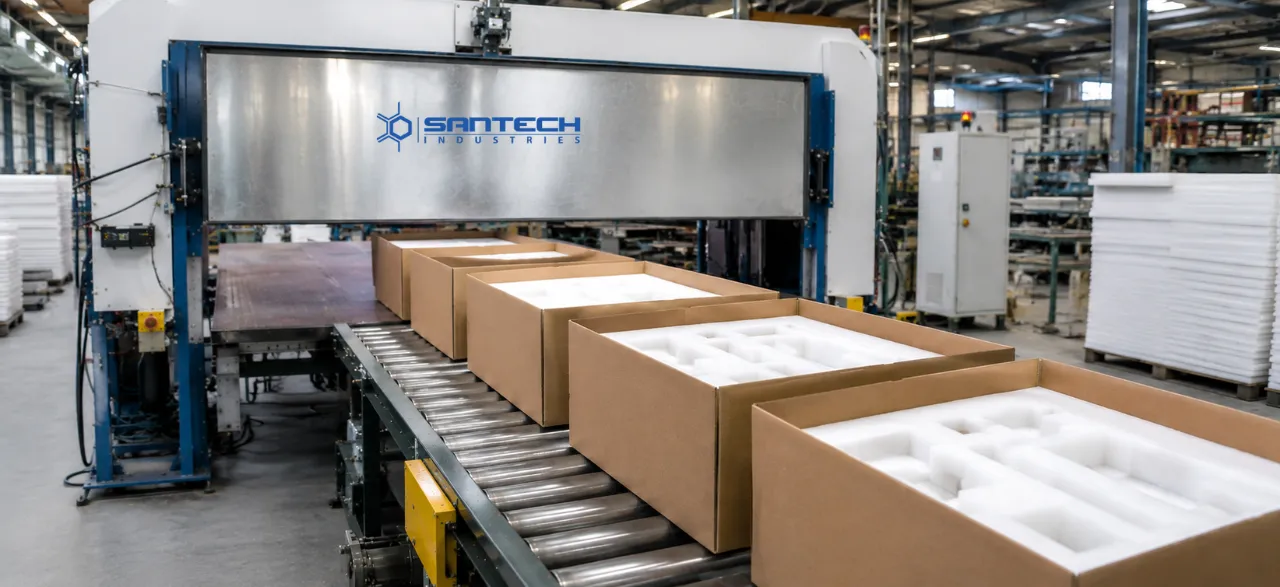


Maintaining foam equipment is essential for achieving consistent performance, longer equipment life, and high-quality foam production. Regular inspection, cleaning, lubrication, and timely servicing help reduce unexpected downtime, prevent expensive repairs, and improve workplace safety.
Whether you operate a foam cutting machine, foam peeling machine, or other foam processing equipment, following proper maintenance practices ensures accurate results and smooth operation. In this guide, we will discuss the best practices for maintaining industrial foam equipment and improving production efficiency to get the maximum performance from your foam manufacturing machines.
Understanding Your Foam Processing Equipment
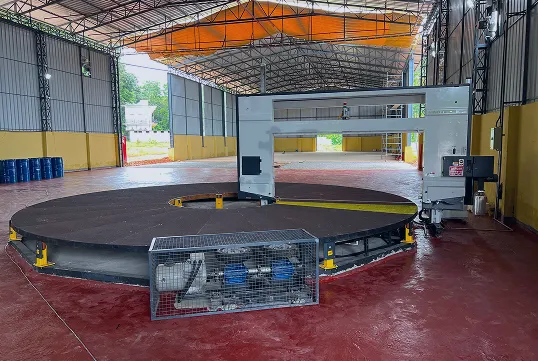
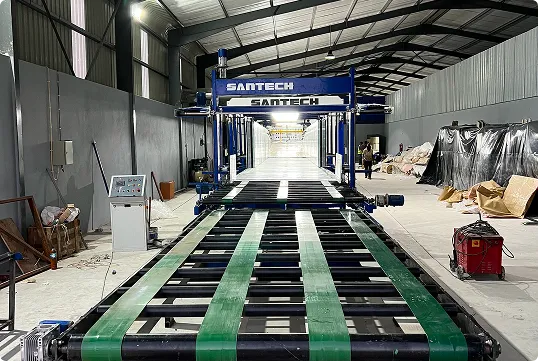
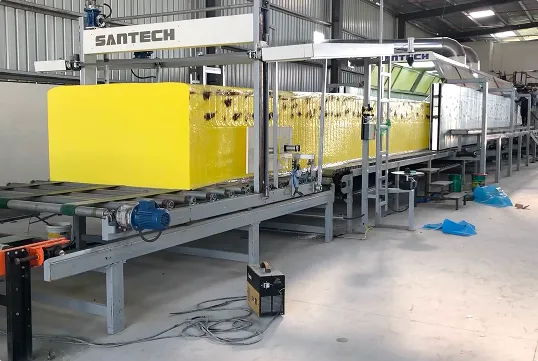
Before getting into the depths of any maintenance routine, it is imperative to understand how your foam cutting machine and foam peeling machine work. These machines are designed to easily handle fragile foam materials while delivering accurate cuts and uniform sheets.
While a foam cutting machine is primarily used for shaping, trimming, and sizing foam blocks as per specific requirements. A foam peeling machine, on the other hand, helps in converting foam blocks into continuous sheets or rolls with controlled thickness.
Why is Regular Maintenance Important?
Regular maintenance of a foam cutting machine and foam peeling machine ensures:
- Consistent product quality
- Reduced operational breakdowns
- Lowered repair and replacement costs
- Improved safety for operators
- Extended machine lifespan
Ignoring maintenance can lead to inaccurate cutting, excessive raw material waste, and unplanned shutdowns. By following well-structured maintenance practices, manufacturers can easily achieve higher productivity and long-term cost savings.
Daily Cleaning & Inspection
-
Clean After Every Shift
Dust, foam particles, and other forms of residue can easily get collected on a foam cutting machine and a foam peeling machine during the course of daily operations. Without regular cleaning, the dirt and contaminants can affect the overall accuracy of the machine and cause it to wear out.
So, the best cleaning practices include the following:
- Thoroughly cleaning the rollers, blades, and guides
- Checking for oil, grease, and coolant leaks
- Removing foam scraps from cutting zones
-
Viual Inspection
Before starting work, the operators need to inspect the foam cutting machine and the foam peeling machine for damaged parts, unusual vibrations, loose fasteners, and more. Early identification of these problems can prevent major equipment failures.
Proper Lubrication of Moving Parts
Lubrication plays an important role in the smooth functioning of these machines. Any type of friction between moving parts can lead to overheating, excessive noise, and premature wear.
Best Lubrication Practices
- Use recommended oils and greases
- Thoroughly follow the manufacturer’s schedule for lubrication
- Avoid over-lubrication, as that can attract dust
- Remove old lubricant before applying new
Blade and Wire Maintenance
Maintaining Cutting Blades
Well, the cutting blades in a foam cutting machine should remain sharp for clean and precise cuts. Blades that are dull and damaged can easily tear foam material and overload the motor system. Recommended practices include:
- Keeping blades free from dust
- Storing spare blades in dry conditions
- Checking blades at regular intervals
- Sharpening or replacing old blades
Maintaining Cutting Wires
In a foam peeling machine, cutting wires play a key role in producing smooth and uniform sheets. Improper wire tension or alignment can affect the overall thickness and surface quality.
Key maintenance consists of:
- Checking wire tension daily
- Cleaning the wire after each shift
- Verifying alignment and stability
- Replacing broken wires
Maintenance of Electrical System
An electrical system helps in controlling the performance and safety of your foam cutting machine and foam peeling machine. Faulty wiring, loose connections, and damaged parts can lead to unexpected shutdowns and safety-related problems.
Important Electrical Checks
- Thoroughly inspect cables and connectors.
- Clean control panels and terminals
- Ensure proper grounding
- Monitor voltage stability
Calibration and Alignment
Precise calibration is important for producing uniform foam products. A misaligned foam cutting machine or a foam peeling machine can lead to uneven cuts, inconsistent thickness, and higher rejection rates.
Useful Calibration Tips
- Test measurement accuracy
- Properly adjust tension and pressure systems
- Perform trial runs after adjustments
- Verify cutting angles and guides
Regular calibration ensures consistent output and reduces material wastage.
Operator Training and Safety Practices
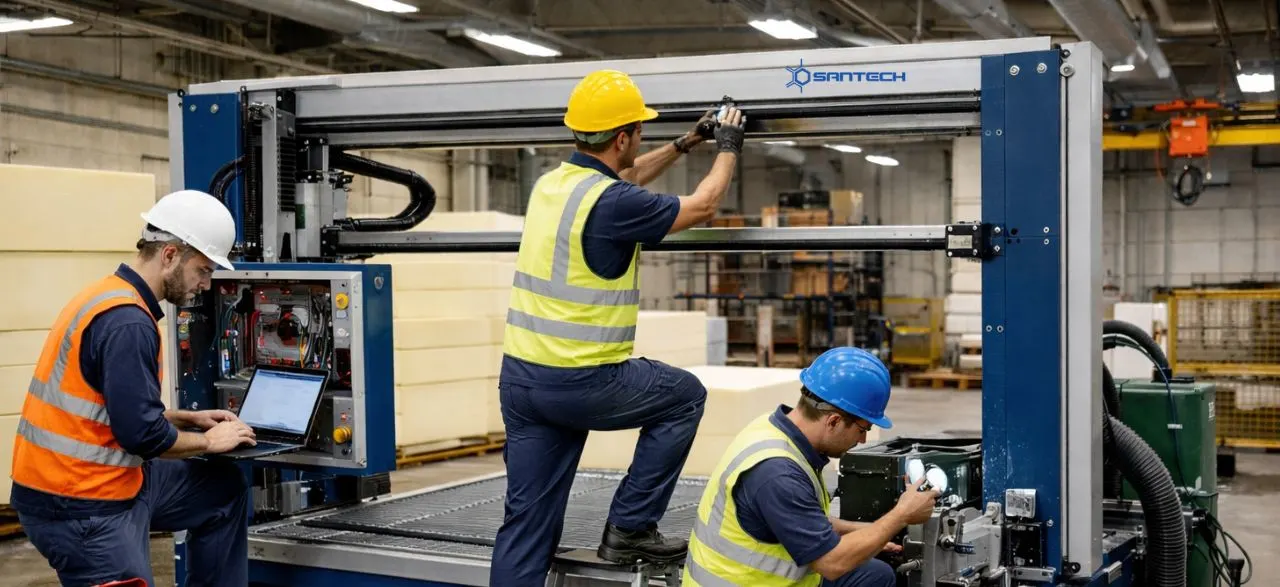
Well-trained operators play an important role in maintaining a foam cutting and foam peeling machine. Improper handling will not only shorten the equipment’s life but also increase its maintenance costs.
Well-trained operators play a vital role in maintaining a foam cutting machine and a foam peeling machine. Improper handling can shorten equipment life and increase maintenance costs.
Training Guidelines
- Lay a strong emphasis on preventive maintenance habits
- Conduct refresher training sessions
- Educate on basic troubleshooting methods
- Offer detailed machine operation training
Safety Measures
- Avoid overloading machines
- Maintain clean and organised workspaces
- Use personal protective equipment
Preventive Maintenance Schedule
Creating a preventive maintenance schedule will help in the seamless organisation of servicing tasks for your foam cutting machine and foam peeling machine.
An Example of a Sample Maintenance Plan
| Frequency | Task |
|---|---|
| Daily | Cleaning and visual inspection |
| Weekly | Lubrication and alignment check |
| Monthly | Electrical inspection and calibration |
| Quarterly | Blade and wire replacement |
| Yearly | Complete system servicing |
Spare Parts and Inventory Management
Keeping important spare parts in stock ensures hassle-free repairs and uninterrupted production. So, important parts of a foam cutting machine and a foam peeling machine include:
- Cutting blades and wires
- Bearings and belts
- Motors and drives
- Sensors and control units
- Lubricants and filters
Monitoring Performance and Data
Modern foam cutting and foam peeling machines include monitoring systems and digital controls that play a key role in tracking operational data, which further helps to identify maintenance needs at an early stage.
Key Performance Indicators
- Production volume
- Energy consumption
- Error and fault logs
- Production quality levels
Professional Servicing and Upgrades
Though in-house maintenance is important, periodic servicing adds long-term value. Well-trained technicians can easily identify hidden problems in your foam cutting machine and foam peeling machine and recommend corrective measures.
In addition, upgrading old and outdated parts, software systems, and other safety measures will help in improving efficiency and compliance with modern industry standards.
Common Maintenance Mistakes to Avoid
Mentioned below are some of the common maintenance mistakes that you should avoid to ensure the proper functioning of foam cutting and foam peeling machines.
- Ignoring minor faults
- Using poor-quality spare parts
- Overlooking calibration procedures
- Skipping lubrication schedules
Wrapping Up
Proper maintenance of industrial foam equipment is important for long-term productivity and quality assurance. By carefully adhering to the best practices, including regular cleaning, lubrication, calibration, operator training, and performance monitoring, businesses can easily maximise the efficiency of their foam cutting machine and foam peeling machine while following methods that help improve foam cutting accuracy.
A preventive maintenance approach will not only reduce operational costs but also help manufacturers reduce foam production downtime, ensuring consistent output, workplace safety, and customer satisfaction.