

Foam in packaging protects products from impact, vibration, scratches and damage during storage and transportation. It is widely used for electronics, glassware, furniture, automotive components and industrial equipment because it provides lightweight cushioning and can be cut into different shapes and sizes.
Different foam packaging materials offer varying levels of flexibility, strength, durability and shock absorption. Choosing the right material depends on the product’s weight, shape, fragility and transportation requirements.
In this guide, discover the types of packaging foam, their applications, benefits and the role of foam cutting machines in manufacturing accurate protective packaging. Businesses can also explore reliable foam machine manufacturers like Santech Foam Machines for advanced foam manufacturing and cutting solutions.
What Is Foam in Packaging?
Foam in packaging refers to cellular materials used to cushion, support and protect products against external impact during handling and transportation. These materials contain small air-filled cells that help absorb shocks and reduce vibration.
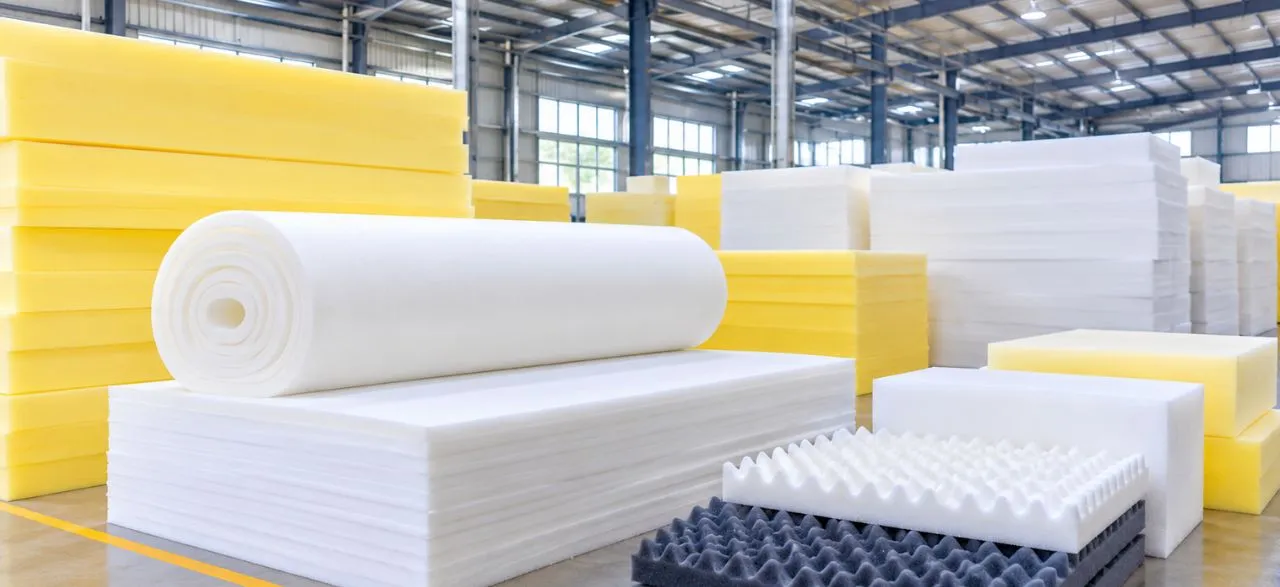
Depending on the material and density, foam can be soft and flexible or firm and rigid. Manufacturers convert large foam blocks into sheets, pads, inserts, corners and custom-shaped protective components.
Common examples include:
- Foam sheets for glass and furniture protection.
- Custom inserts for electronics and appliances.
- Foam blocks for industrial machinery.
- Cushioning pads for fragile products.
- Protective corners and edges for shipping.
The main purpose is to minimise product movement inside a package and reduce the chances of transportation damage.
What Are the Different Types of Foam Packaging Materials?
Several foam materials are used for protective packaging. Each type has different physical properties and is suitable for particular products.
| Foam Type | Main Properties | Common Applications |
|---|---|---|
| PU Foam | Soft, flexible and lightweight | Electronics and delicate products |
| PE Foam | Durable and moisture-resistant | Industrial parts and protective inserts |
| EPS Foam | Lightweight and rigid | Appliances and electronic goods |
| EPE Foam | Flexible and shock-absorbing | Furniture and glassware |
| EPP Foam | Resilient and impact-resistant | Automotive and reusable packaging |
Explore the different types and uses of foam in packaging to understand how each material helps protect products across various industries.
1. Polyurethane (PU) Foam
Polyurethane foam is a flexible material commonly used for cushioning delicate products. Its soft structure helps protect items from scratches, friction and minor impacts.
It can be cut into different shapes and thicknesses to create protective inserts for electronic devices, glass products, instruments and other fragile items.
2. Polyethylene (PE) Foam
Polyethylene foam is known for its durability, flexibility and closed-cell structure. It offers good cushioning and moisture resistance, making it suitable for industrial components, tools, automotive parts and protective packaging.
3. Expanded Polystyrene (EPS) Foam
EPS foam is a lightweight, rigid material manufactured by expanding polystyrene beads. It provides structural support and impact protection during shipping. It is commonly used for packaging appliances and electronic equipment.
4. Expanded Polyethylene (EPE) Foam
EPE foam is flexible, lightweight and capable of absorbing impact. Its soft surface helps prevent scratches on finished products, making it suitable for furniture, glassware and decorative items.
5. Expanded Polypropylene (EPP) Foam
EPP foam offers good impact resistance and shape recovery. It is particularly useful for applications requiring durable and reusable packaging, including automotive components and industrial equipment.
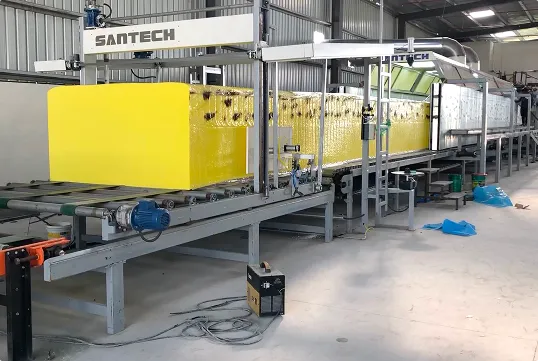
Understanding how foam is made can also help manufacturers select suitable materials for different packaging requirements.
What Are the Applications of Foam Packaging?
Foam packaging is used across multiple industries because it can be manufactured in different shapes, densities and thicknesses.
1. Electronics Industry: Foam inserts protect televisions, computers, mobile devices and other electronic products from vibration and impact.
2. Automotive Industry: Custom foam blocks and inserts protect automotive components, spare parts and sensitive equipment during transportation.
3. Furniture and Glass Industry: Foam sheets, pads and edge protectors help prevent scratches, surface damage and breakage while moving furniture and glass products.
4. Medical Equipment: Specially designed foam inserts hold medical instruments and sensitive equipment securely inside protective cases.
5. Industrial Machinery: Heavy machine components require suitable cushioning and support to minimise movement and impact during transportation.
6. Consumer Goods: Foam inserts protect appliances, accessories, cosmetics and other products that require organised packaging.
What Are the Benefits of Foam Packaging?
Using suitable foam packaging materials offers several advantages for manufacturers, distributors and businesses.
- Impact Protection: Foam absorbs and distributes impact forces, helping reduce product damage.
- Lightweight Structure: Its low weight helps minimise additional packaging weight.
- Customisable Shapes: Foam can be cut into specific dimensions to fit different products.
- Surface Protection: Soft foam helps prevent scratches, friction and marks.
- Vibration Reduction: Cushioning helps reduce the effects of vibration during transportation.
- Versatility: Different materials are available for fragile, lightweight and heavy industrial products.
However, packaging performance depends on foam density, thickness, material selection and product weight. Higher density does not automatically mean better cushioning. Manufacturers should select foam according to the required application.
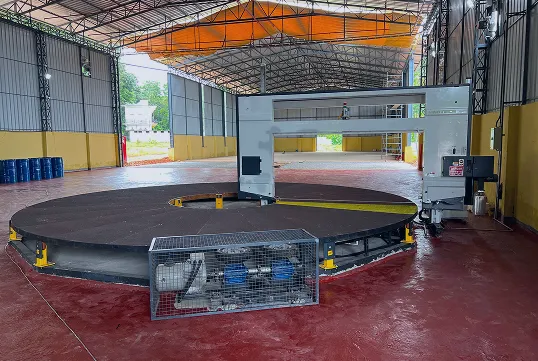
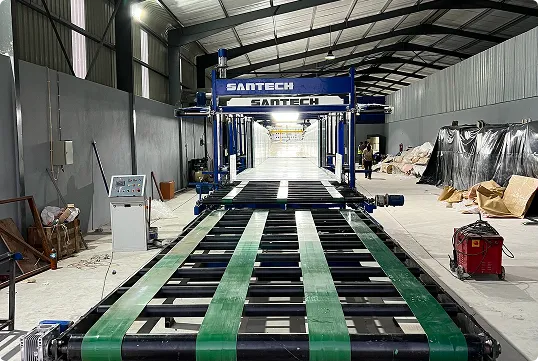
How Are Foam Cutting Machines Used in Packaging Manufacturing?
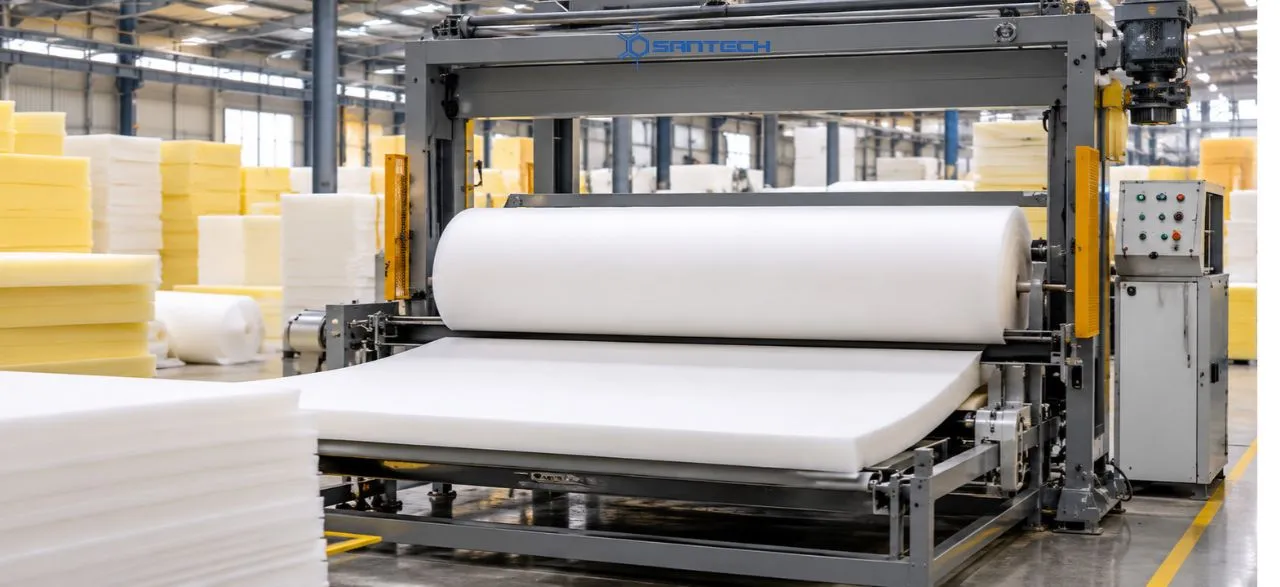
Producing accurate foam packaging requires machinery that can convert large foam blocks into consistent sheets, pads and custom-sized inserts.
Foam cutting machines help manufacturers maintain uniform dimensions, reduce manual cutting effort and improve production consistency.
1. Horizontal Foam Cutting Machine
A horizontal foam cutting machine cuts large foam blocks into sheets of the required thickness. These sheets are used to manufacture cushioning pads, protective layers and packaging components.
It is particularly useful for businesses producing foam sheets in different thicknesses.
2. Vertical Foam Cutting Machine
A vertical foam cutting machine is used for straight cutting, trimming and sizing foam materials. It helps manufacturers prepare foam pieces according to specific length and width requirements.
It is suitable for producing packaging blocks, inserts and protective components.
Businesses can explore equipment required for foam cutting to understand the machinery used in different foam processing operations.
How to Choose the Right Foam for Packaging?
Selecting suitable foam is essential for product protection and packaging efficiency. Consider these factors before making a decision:
| Selection Factor | What to Consider |
|---|---|
| Product Weight | Choose suitable foam strength and support. |
| Fragility | Delicate products require appropriate cushioning. |
| Product Shape | Irregular products may need custom-cut inserts. |
| Transportation | Long-distance shipping may require additional protection. |
| Moisture Exposure | Consider closed-cell foam for moisture-sensitive applications. |
| Reusability | Select durable materials for repeated packaging use. |
Manufacturers should also consider production volume, cutting accuracy and material wastage when selecting machinery. Comparing the foam cutting machine price in India can help businesses evaluate equipment according to their production requirements.
Conclusion
Foam in packaging plays an important role in protecting products during storage, handling and transportation. Materials such as PU, PE, EPS, EPE and EPP provide different levels of cushioning, flexibility and impact resistance for various industries.
Choosing the right foam material and maintaining accurate cutting dimensions are equally important for producing effective protective packaging. With suitable machinery, manufacturers can produce consistent foam sheets, blocks and custom inserts for different applications.
Santech Foam Machines, with over 28 years of manufacturing experience, provides foam manufacturing and cutting machinery for industrial production requirements. Choosing the right foam cutting machine for packaging can help businesses improve cutting accuracy, maintain production consistency and meet different packaging needs.