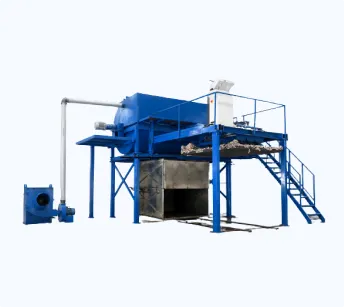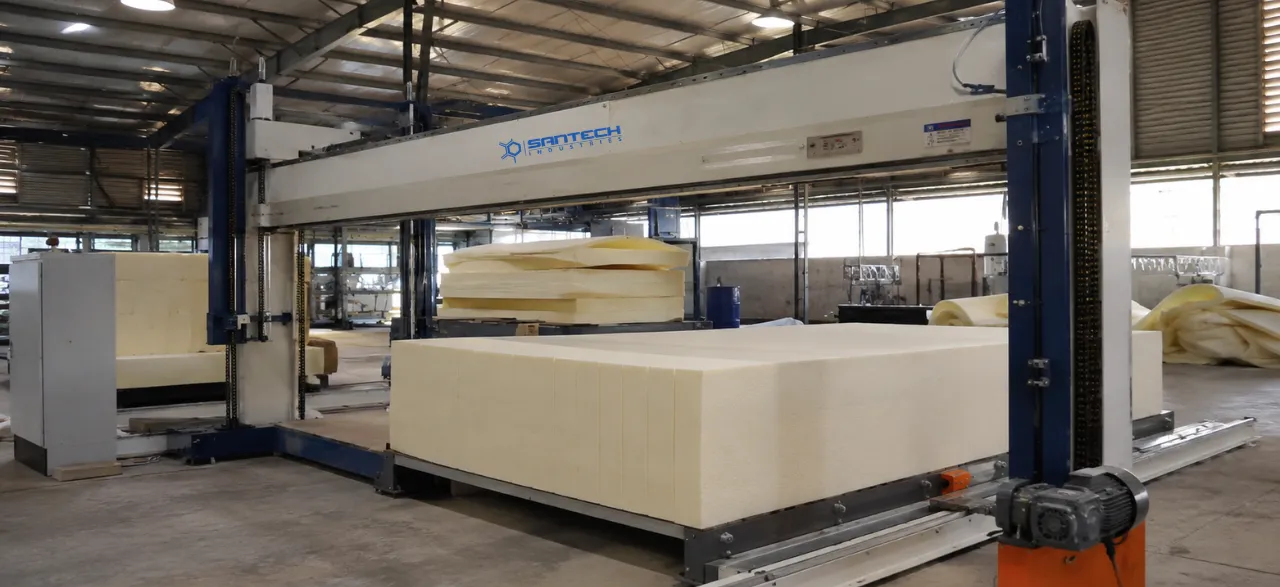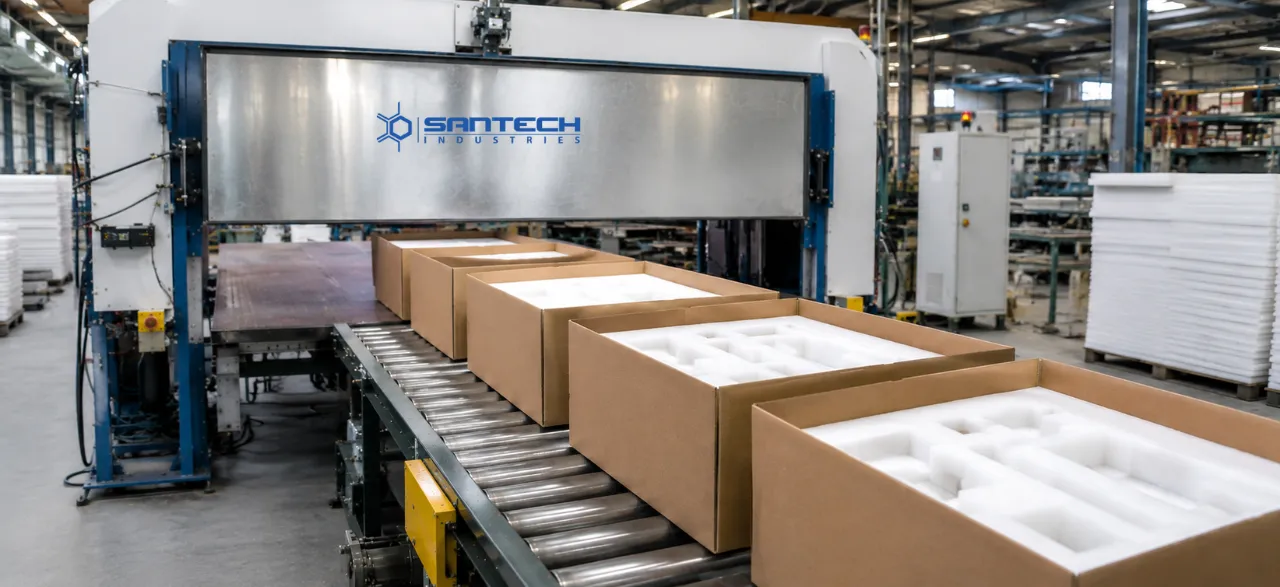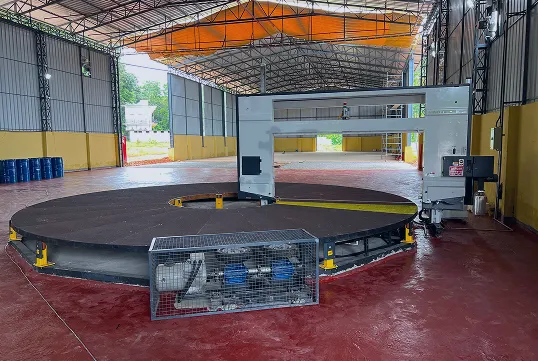
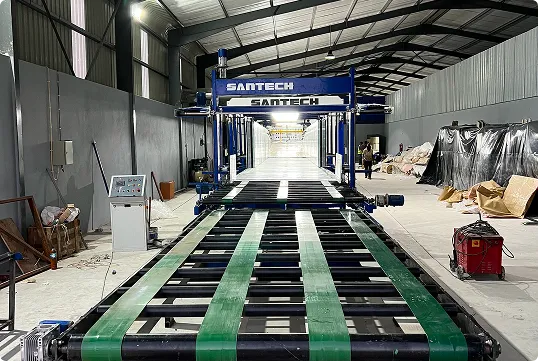
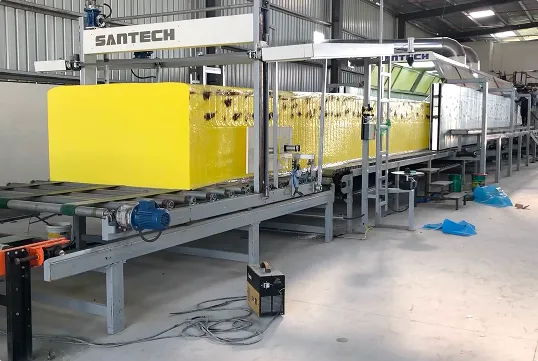
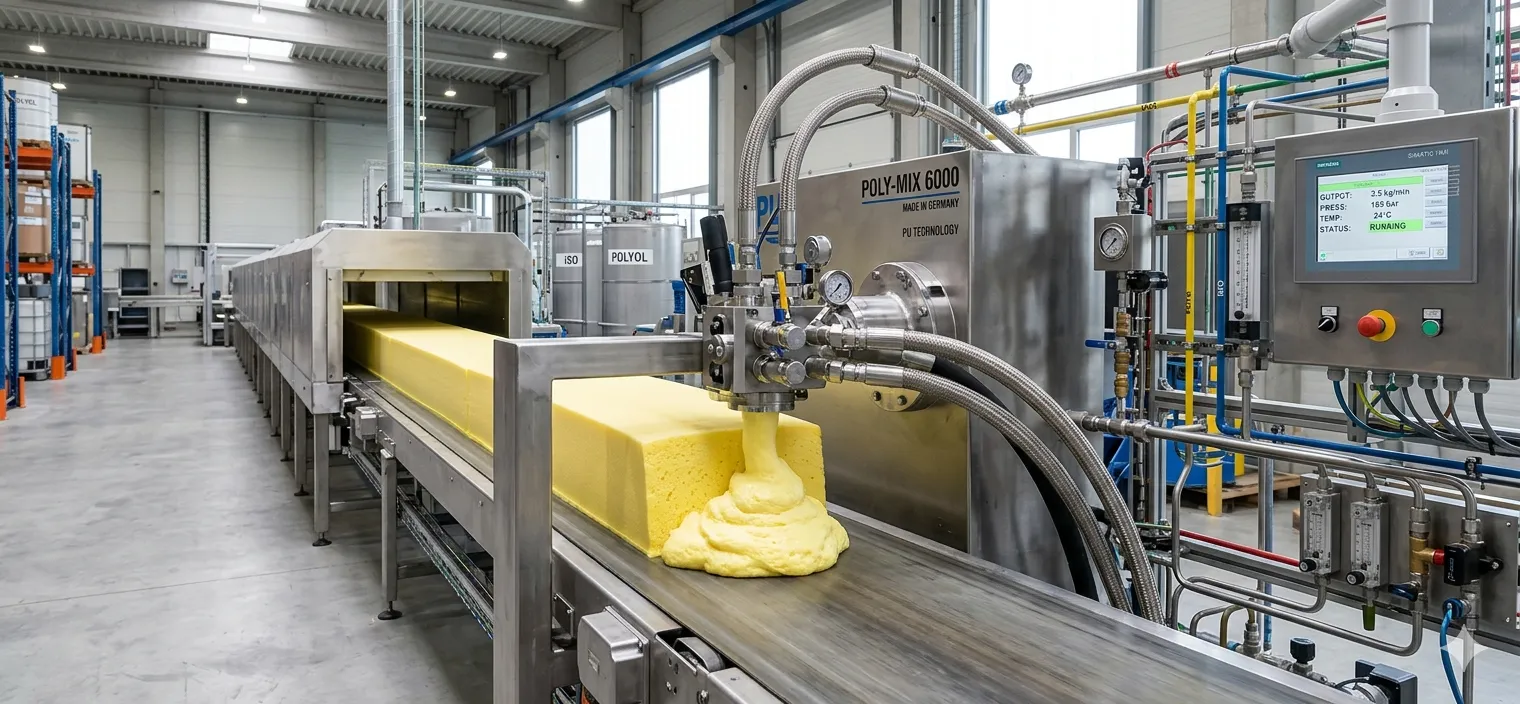


German PU foam machines improve foam production through precision metering, high-pressure mixing, advanced mixing-head technology, and automated process control. These systems help manufacturers maintain accurate material ratios, achieve more consistent mixing, reduce process variation, and produce PU foam with more uniform quality. For manufacturers evaluating PU foaming machines, these technologies can support higher production efficiency, reduced material waste, and more repeatable output across different foam applications. This guide explains how German PU foam machines work and why they are important for modern PU foam manufacturing.
How Do High-Pressure PU Machines Improve Mixing?
High-pressure PU machines mix polyol and isocyanate by delivering the components into a mixing chamber at controlled pressure and flow rates. The high-velocity streams create intensive mixing, helping the two components combine quickly and consistently before the polyurethane reaction progresses.
Compared with conventional mechanical mixing, high-pressure systems can provide greater control over material delivery and mixing conditions. This is particularly useful when manufacturers need consistent foam quality across different production runs.
Key benefits include:
- More consistent mixing of polyol and isocyanate
- Better control of material flow and pressure
- Reduced dependence on manual mixing adjustments
- More repeatable foam quality
- Improved process stability at higher production rates
The effectiveness of high-pressure mixing depends on factors such as formulation, component temperature, pressure, flow rate, and mixing-head design. When these parameters are properly controlled, manufacturers can achieve more stable and repeatable PU foam production.
How High-Pressure PU Machines Reduce Raw Material Loss
Material loss in foam making machine production rarely looks dramatic. It is usually spread across cleaning cycles, advance shots, and small amounts of waste that feel unavoidable.
Low-pressure systems often rely on solvent flushing to keep the mixing chamber clean. That means raw material is sacrificed just to maintain the process.
Depending on the mixing head and cleaning system, high-pressure polyurethane foam machines can reduce the need for routine solvent flushing and help lower cleaning-related material losses.
Over time, this leads to:
- Lower raw material consumption
- Less chemical waste to manage
- More predictable operating costs
For many plants, this is where the real economic benefit becomes visible.
Advanced Mixing Head Design and Its Impact on Foam Quality
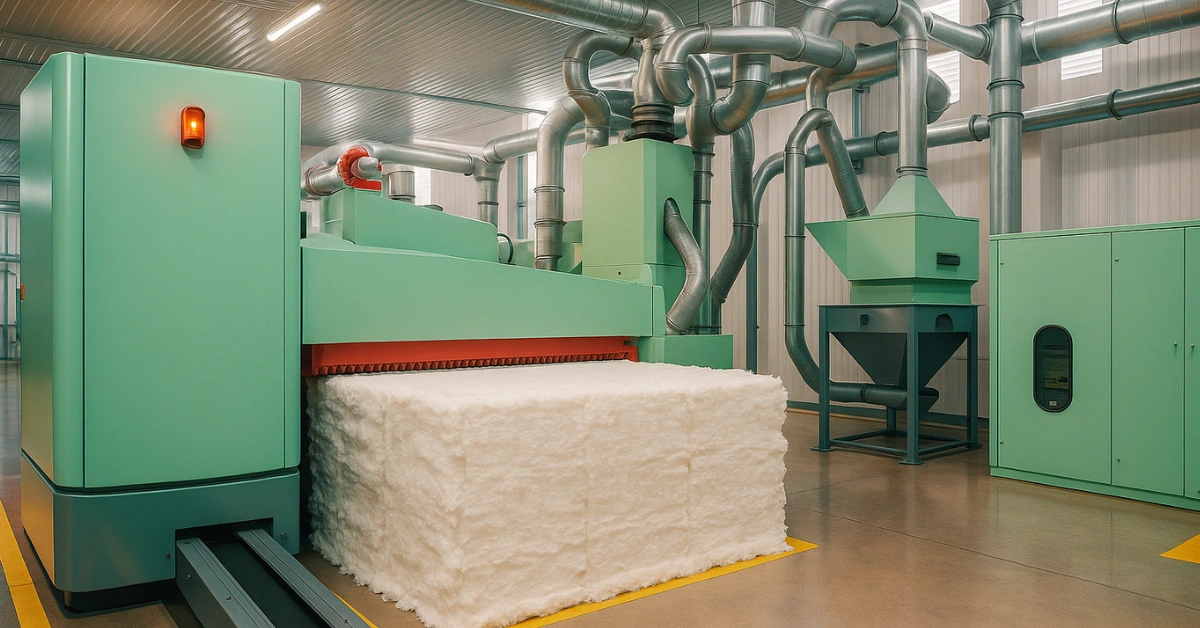
Advanced mixing-head design plays an important role in PU foam quality. Even when polyol and isocyanate are metered correctly, inconsistent mixing can lead to variations in density, cell structure, and surface quality. Understanding how is foam made helps explain why precise mixing and controlled chemical reactions are essential for consistent foam production.
Modern mixing heads are designed to control component flow, mixing intensity, and residence time within the mixing chamber. Properly matched mixing-head geometry can help manufacturers achieve more consistent mixing and repeatable foam production.
- More consistent foam density
- Improved surface quality
- Reduced variation between production runs
- Better control when producing different foam grades
For manufacturers using advanced PU foam machines, the mixing head should be selected according to the formulation, production rate, component properties, and required foam characteristics.
Precision Metering and Ratio Control in Modern PU Machines
PU foam production depends on maintaining the correct ratio between polyol and isocyanate. Even small variations in material delivery can affect reaction behaviour, density, curing, and final foam performance.
Modern PU foam machines use precision pumps, flow control, pressure monitoring, and automated controls to maintain consistent material delivery. These systems are designed to handle changes in flow rates and material properties while keeping the required component ratio within the specified operating range.
Digital controls can further improve repeatability by allowing production parameters and recipes to be monitored and adjusted systematically. This reduces dependence on manual settings and helps maintain consistent processing conditions across production runs.
How Do Silicone Surfactants Affect PU Foam Cell Structure?
| Aspect | Role of Silicone Surfactants | Impact on PU Foam |
|---|---|---|
| Cell Stability | Helps stabilise developing foam cells during the reaction | More consistent cellular structure |
| Cell Size | Influences bubble formation and cell growth | More controlled cell size |
| Cell Uniformity | Supports consistent cell development | More uniform foam structure |
| Surface Quality | Helps control foam cell formation near the surface | Smoother and more consistent surface |
| Foam Density | Supports controlled cell development when properly formulated | More consistent density |
| Processing Stability | Works with the formulation and processing conditions | More repeatable production results |
How Can PU Foam Technology Support Environmental Compliance?
Environmental requirements for polyurethane foam production increasingly focus on emissions, odour, indoor air quality, and the environmental impact of raw materials and blowing agents. Advanced chemical technologies have contributed to the development of catalyst, surfactant, and blowing-agent systems designed to support more controlled PU foam production designed to support more controlled PU foam production.
When combined with accurate metering and process control, advanced chemical systems can help manufacturers manage emissions, maintain consistent foam properties, and reduce unnecessary material losses.
For manufacturers producing foam for furniture, bedding, automotive, and other applications, selecting suitable chemicals and maintaining controlled processing conditions can support compliance with relevant environmental and product requirements.
CO₂ Blowing Agent Technology and Sustainable Foam Production
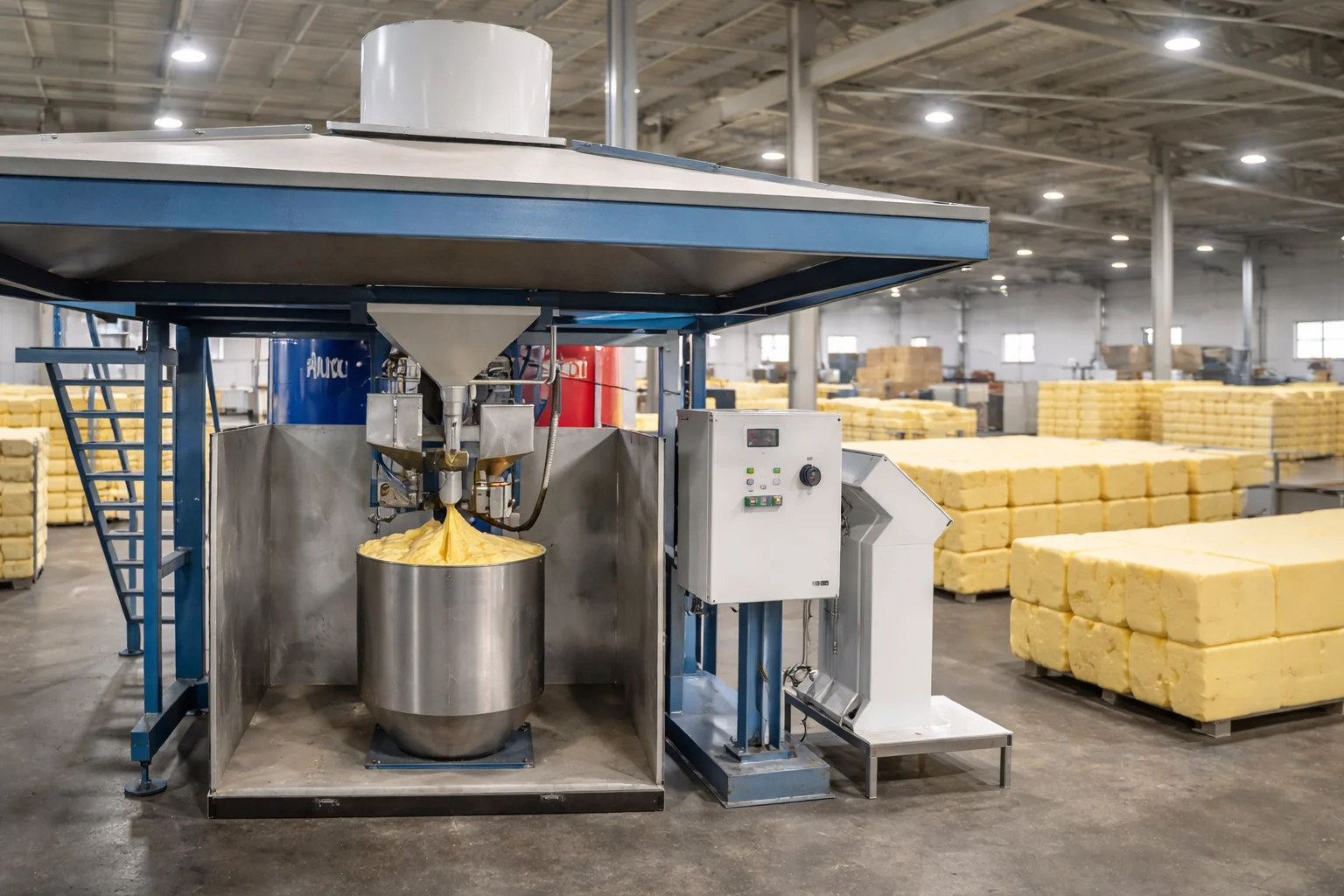
CO₂-based blowing technology is an important approach to more sustainable polyurethane foam production. In PU foam systems, CO₂ can be generated during the reaction or introduced under controlled processing conditions to support foam expansion and influence the resulting cell structure and density.
The effectiveness of CO₂ as a blowing agent depends on the formulation, processing conditions, equipment configuration, and required foam properties. With appropriate control, manufacturers can produce low-density foams while maintaining the desired cellular structure and performance.
Key considerations include:
- Controlled foam density and expansion
- Consistent cell structure
- Compatibility with the PU formulation
- Efficient control of processing conditions
- Potential reduction in the use of certain conventional blowing agents
For modern PU foam manufacturers, CO₂ technology can support sustainability goals when it is combined with suitable chemistry, efficient equipment, and precise process control.
Supporting Bio-Based and Recycled Materials in PU Foam Production
Bio-based and recycled materials behave differently from traditional raw materials. They introduce variation in viscosity and reaction speed that can destabilise production.
Advanced metering, mixing, and process-control systems can help manufacturers manage this variation without constant manual adjustment.
This reduces trial and error and shortens the path from formulation testing to stable production.
How Advanced PU Technology Improves Production Efficiency
Advanced PU technology improves production efficiency by combining precision metering, high-pressure mixing, automated process control, and optimized mixing-head design. Together, these systems help manufacturers maintain stable processing conditions and achieve more consistent foam output.
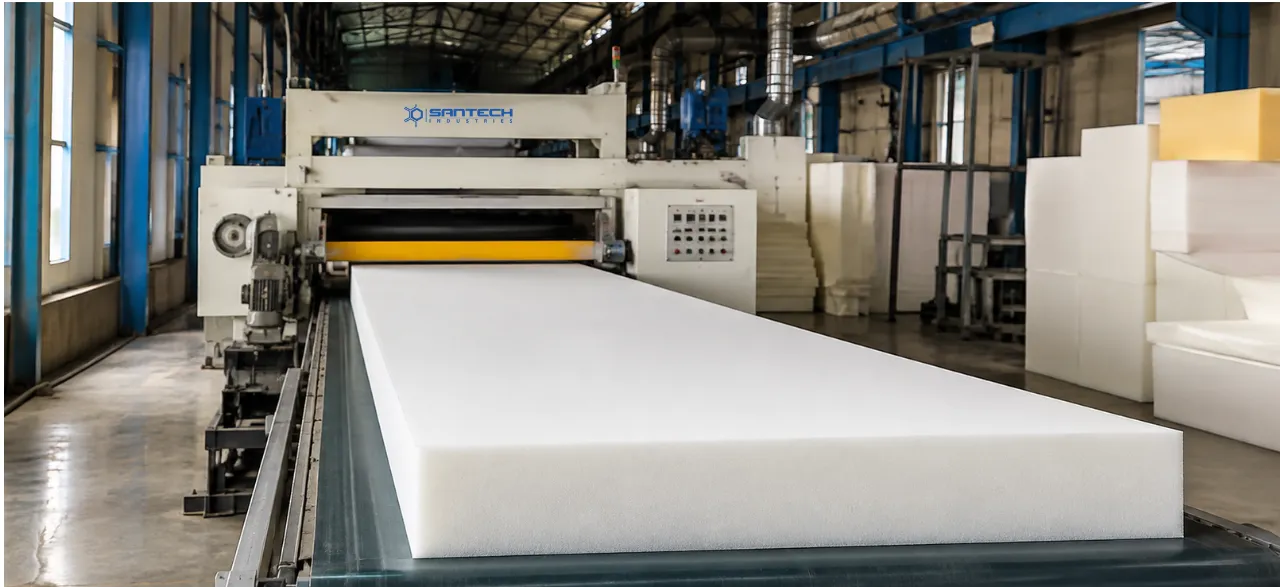
Better control of material ratios and mixing conditions can reduce process variation, while automated monitoring can minimise the need for frequent manual adjustments. Continuous foam machines can further support efficient, consistent production by integrating these technologies into a continuous manufacturing process. Consistent production conditions can also help reduce material waste and improve usable foam yield.
Conclusion
German PU foam machines improve foam production through precision metering, high-pressure mixing, advanced mixing-head technology, and automated process control. These technologies help manufacturers achieve more consistent mixing, accurate material ratios, reduced process variation, lower material waste, and repeatable foam quality.
For manufacturers investing in modern PU foam production equipment, choosing the right machine configuration is essential for balancing production capacity, foam quality, material efficiency, and process control. Santech Foam Machines is a trusted manufacturer of PU foaming and foam processing machines.