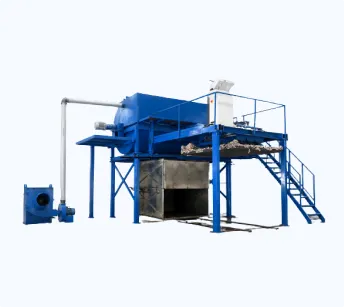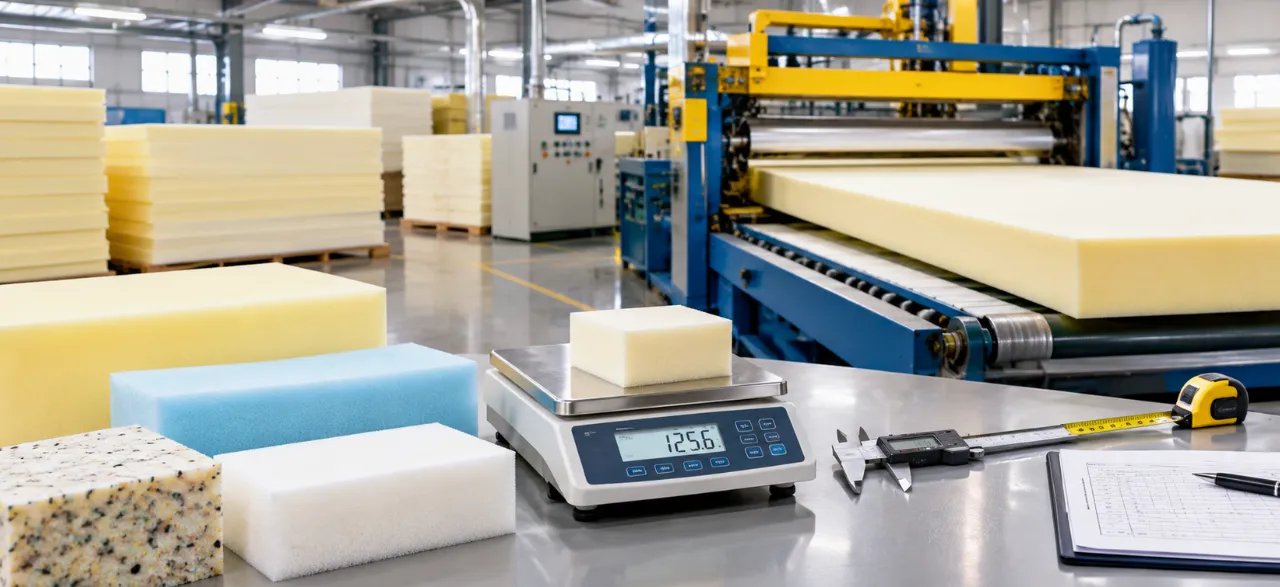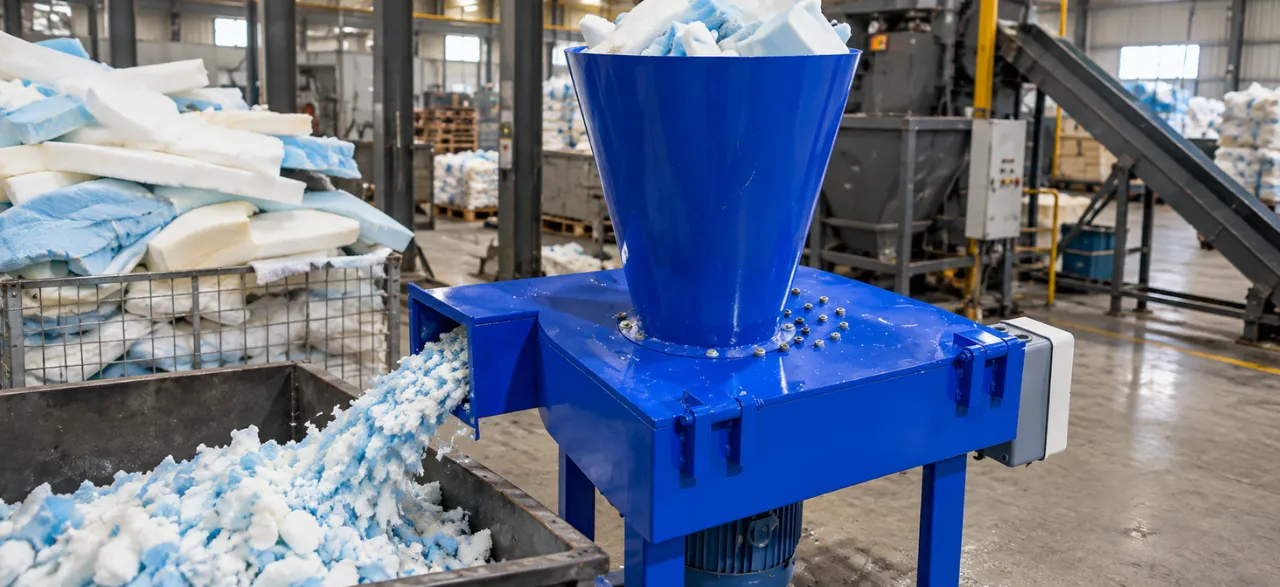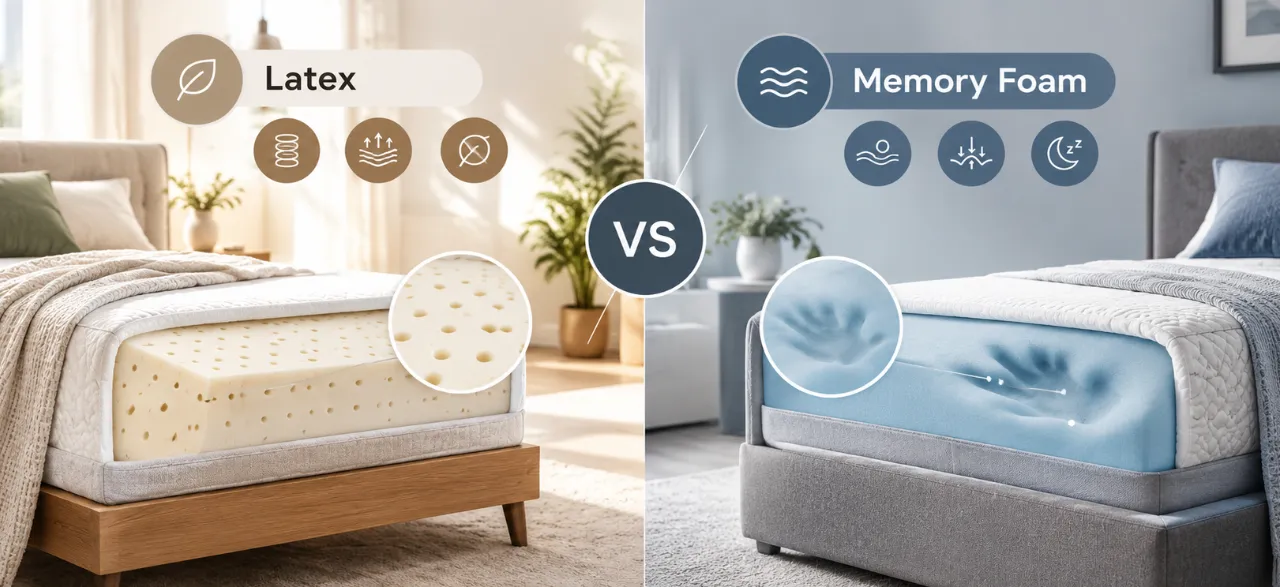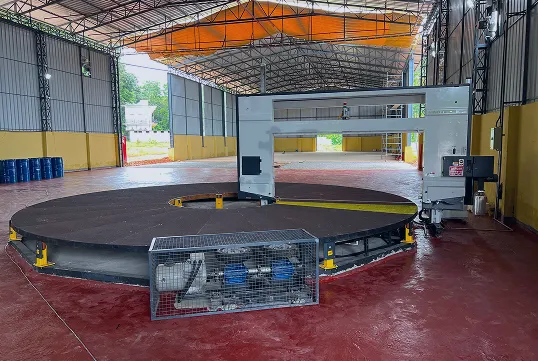
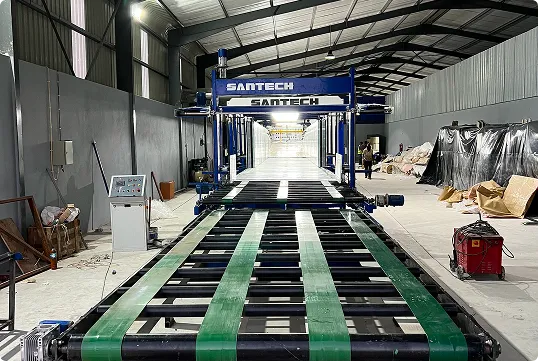
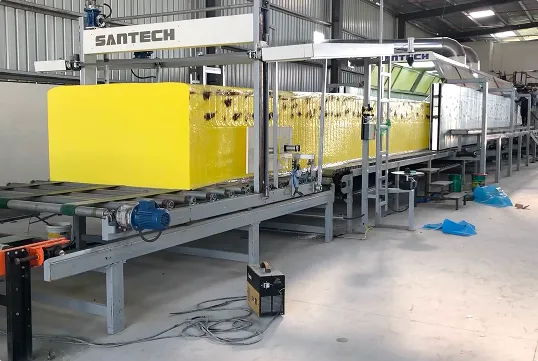
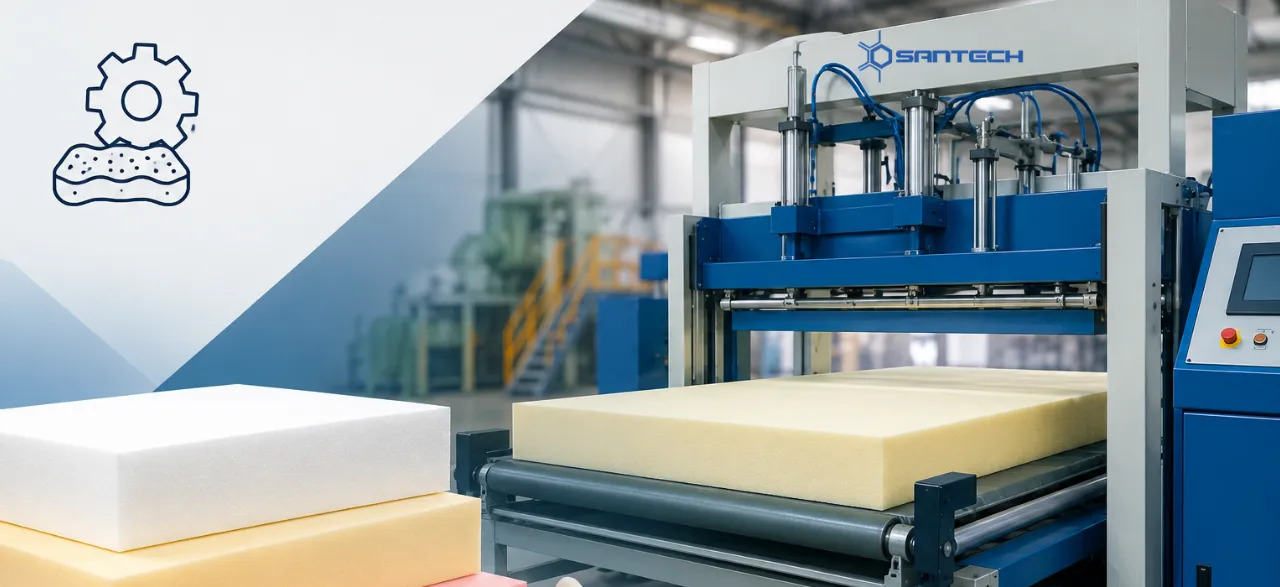


To choose the right foam manufacturing machine, first identify the type of foam products you want to produce, your required production capacity, preferred production method, automation needs, available factory space, and investment budget. You should also consider the complete foam production workflow, including foaming, curing, cutting, peeling, shaping, and material handling requirements.
The best foam production equipment is not necessarily the largest or most automated option. It should match your current production requirements while providing enough flexibility for realistic future growth.
What Is a Foam Manufacturing Machine?
A foam manufacturing machine is industrial equipment used to produce, process, cut, shape, or prepare foam for different applications.
Depending on the production process, a complete setup may include equipment for:
- Producing polyurethane foam blocks or slabs
- Mixing and processing foam materials
- Cutting foam into sheets and sections
- Peeling foam into continuous sheets
- Creating customised foam profiles
- Processing foam scrap for reuse or rebonded applications
Together, this equipment forms a complete foam manufacturing setup.
The exact machinery required depends on what your factory produces. A manufacturer producing PU foam blocks, for example, requires different equipment from a mattress or furniture company processing already-cured foam.
If you want to understand the different machines available in the industry, explore our complete guide on the different types of foam machines.
Why Choosing the Right Foam Production Equipment Matters
The wrong machinery can create problems that affect production long after the initial purchase.
For example, equipment with insufficient capacity can become a bottleneck as demand grows. A machine with unnecessary features may increase investment without providing enough operational value. Poor factory planning can also lead to inefficient material movement and unnecessary downtime.
Choosing suitable foam production equipment can help manufacturers achieve:
| Benefit | How It Helps |
|---|---|
| Improved production efficiency | Supports smoother and more organised manufacturing. |
| Better consistency | Helps maintain controlled production processes. |
| Reduced material waste | Improves material handling and processing control. |
| Lower manual dependency | Automation can reduce repetitive manual work. |
| Better scalability | Supports realistic future production growth. |
| Improved workflow | Helps connect different stages of foam processing efficiently. |
The goal should not be to purchase the most expensive machine.
The goal is to invest in equipment that fits your production requirements today while supporting your future business plans.
How to Choose the Right Foam Manufacturing Machine
Before purchasing machinery, evaluate the following factors carefully.
1. Start With Your Production Requirements
The first step is understanding what your factory actually needs to produce.
Before comparing machines, ask:
- What foam products will you manufacture?
- What is your expected daily or monthly output?
- What foam density or specifications are required?
- What product dimensions do you need?
- How many product variations do you produce?
- Where are your current production bottlenecks?
- How much do you expect production to grow?
A small company producing customised foam components may require a flexible setup. A high-volume manufacturer, on the other hand, may prioritise continuous production and higher automation.
Understanding your production requirements before choosing machinery helps prevent two common problems: investing in unnecessary capacity or purchasing equipment that quickly becomes insufficient.
2. Consider the Type of Foam You Produce
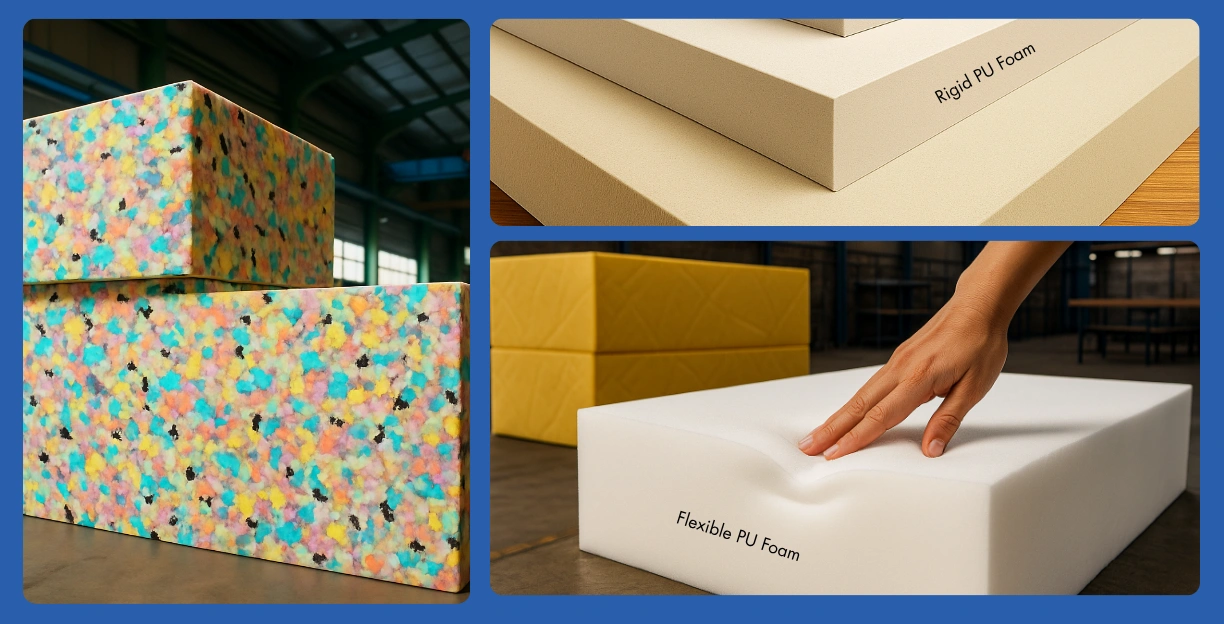
Different foam applications require different manufacturing and processing requirements.
Your factory may produce or process foam for:
- Mattresses and bedding
- Furniture and upholstery
- Automotive components
- Packaging applications
- Industrial cushioning
- Custom foam products
- Rebonded foam applications
The type of foam and final product should influence your machinery selection.
For example, producing PU foam blocks requires foaming equipment. Processing those cured blocks into sheets, layers, or customised components requires additional foam processing equipment.
Before investing, clearly define both the raw material you work with and the finished products you plan to manufacture.
3. Choose Equipment Based on Production Capacity
Production capacity is one of the most important factors when selecting a foam production machine.
Consider:
- Current production volume
- Expected future demand
- Required daily output
- Product variation
- Production speed requirements
- Batch or continuous production requirements
A machine with insufficient capacity may slow down your entire production process.
At the same time, purchasing significantly more capacity than you need can increase your investment and operating costs unnecessarily.
The best approach is to choose equipment that meets your current requirements while leaving reasonable capacity for future growth.
4. Decide Between Continuous and Batch Production
Your required production method can significantly influence your machinery selection.
Continuous Production
Continuous production systems may be suitable for manufacturers with:
- Higher production volumes
- Consistent output requirements
- Large-scale operations
- Continuous foam processing requirements
These systems are designed to support ongoing production and can help manufacturers achieve higher output. If you are considering this production method, explore our continuous foaming machines to understand the available equipment and configurations.
Batch Production
Batch production may be suitable for businesses requiring:
- Greater flexibility
- Different foam formulations
- Controlled production batches
- Small to medium-scale production
A batch foaming machine can be a suitable option when manufacturers need greater control over individual production batches and flexibility in their manufacturing process.
The right option depends on your production volume, product requirements, and operational goals.
Rather than choosing based only on automation or output, consider how consistently your factory needs to produce, how frequently production requirements change, and which foam manufacturing machine best fits your overall production workflow.
5. Evaluate Automation and Machine Features
Automation can play an important role in improving production consistency and reducing manual dependency.
When comparing foam manufacturing equipment, consider features such as:
- Automated dosing systems
- Controlled mixing
- Digital operating controls
- Production monitoring
- Adjustable process settings
- Safety features
- Material handling automation
- Energy-efficient operation
However, more automation is not automatically better for every manufacturer.
Higher automation can increase the initial investment. The right level depends on your production volume, workforce, budget, and expected return on investment.
A smaller facility may prioritise flexibility and easier operation, while a high-volume manufacturer may benefit more from advanced automation.
6. Plan Your Complete Foam Production Line
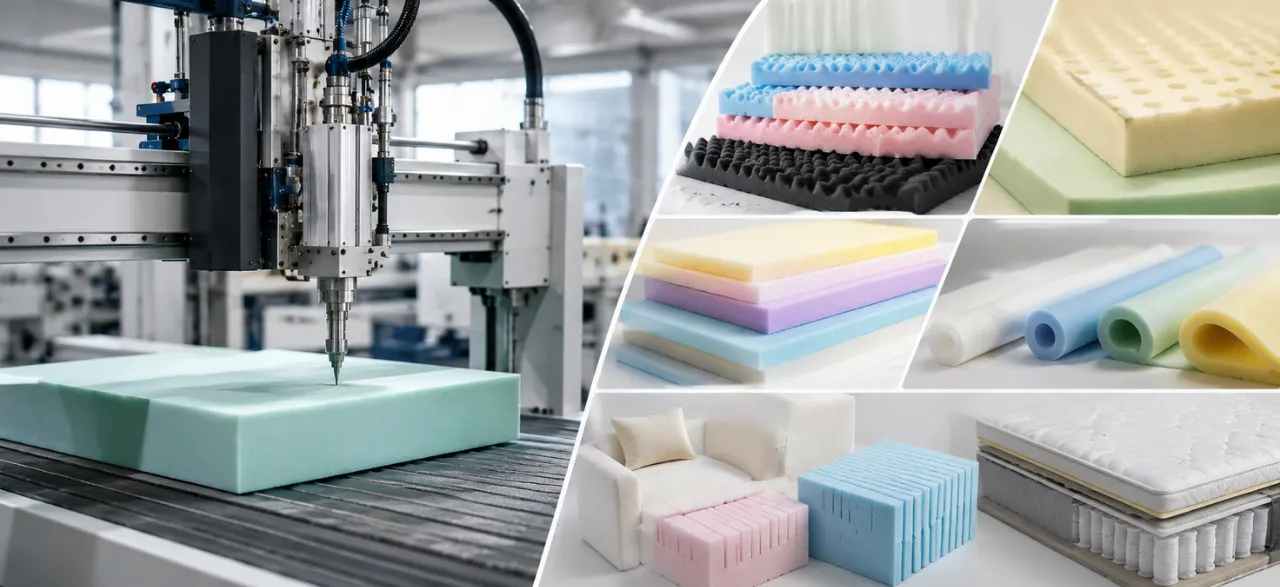
One of the biggest mistakes manufacturers make is focusing on a single machine rather than the complete workflow.
A foam manufacturing machine may only represent one stage of your production process.
Depending on your requirements, a complete foam production line may include:
- Foaming equipment
- Foam cutting machines
- Block cut-off machines
- Foam peeling machines
- Mixing systems
- Storage systems
- Material handling equipment
- Specialised foam processing machines
- Quality control equipment
For example, a manufacturer producing foam blocks may require equipment for production, curing, handling, and further processing.
A mattress manufacturer may need additional cutting or peeling equipment to convert foam into layers with controlled dimensions.
Before purchasing, consider how every stage connects.
A well-planned production workflow can improve material movement, reduce unnecessary handling, and support more efficient operations.
7. Check Factory Space Before Finalising Your Machine
Factory space is often overlooked during equipment selection.
Before investing in industrial foam equipment, evaluate:
- Machine dimensions
- Production area requirements
- Raw material storage
- Foam curing space
- Material movement
- Operator access
- Electrical requirements
- Maintenance accessibility
- Future expansion space
A machine may have the right capacity but still create operational problems if it does not fit efficiently into your factory layout. Before finalising your machinery, consider your foam manufacturing plant space requirements, including machine dimensions, material movement, operator access, and room for future expansion.
The best machinery selection should support a logical production flow from raw materials to finished foam products.
What Factors Affect Foam Manufacturing Machine Cost?
The foam manufacturing machine cost depends on much more than the machine itself. The overall investment can vary based on production capacity, automation level, machinery configuration, factory infrastructure, utilities, installation, and supporting equipment. For a broader breakdown of the total investment involved, see our guide to foam manufacturing plant cost.
The total investment can vary based on:
| Factor | Impact on Investment |
|---|---|
| Production capacity | Higher-output equipment may require greater investment. |
| Automation level | Advanced automation can increase initial costs. |
| Machine configuration | Custom features affect overall pricing. |
| Processing technology | Advanced control systems can influence investment. |
| Supporting equipment | Additional machines increase setup costs. |
| Installation requirements | Factory preparation may add to the investment. |
| Service and maintenance | Long-term support should be considered. |
The lowest machine price is not always the lowest long-term cost.
A lower-cost machine may have limited capacity, require more manual work, or become unsuitable as production grows.
Manufacturers should evaluate the expected return on investment rather than focusing only on the initial purchase price.
If you are planning a complete facility, read our guide on foam manufacturing plant cost to understand the wider investment involved.
What Equipment Is Needed for a Complete Foam Manufacturing Setup?
A complete foam manufacturing setup depends on the products you plan to manufacture.
The equipment may include:
1. Foam Production Equipment
Used to manufacture foam blocks or slabs.
2. Foam Cutting Equipment
Used to cut foam into required lengths, widths, and thicknesses.
3. Foam Processing Equipment
Used for peeling, shaping, profiling, and specialised processing.
4. Material Handling Equipment
Used to move foam blocks and materials efficiently between production stages.
5. Quality Control Equipment
Used to monitor and maintain required production standards.
The right combination depends on whether your business produces foam from raw materials or processes already-produced foam blocks.
When Should You Choose a PU Foam Manufacturing Machine?
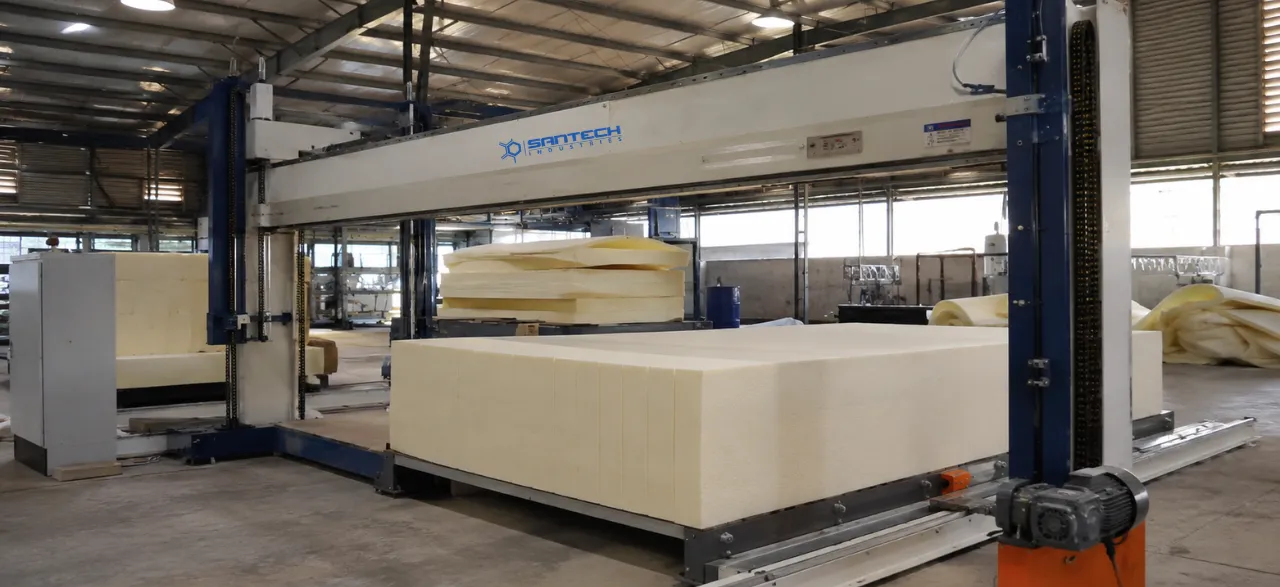
A pu foaming machine manufacturers may be suitable for businesses producing polyurethane foam for applications such as:
- Mattresses
- Furniture
- Upholstery
- Automotive components
- Packaging
- Industrial cushioning
- Specialised foam products
Before choosing PU foam production equipment, manufacturers should evaluate:
- Required production capacity
- Foam formulation requirements
- Product specifications
- Automation needs
- Available factory infrastructure
- Future production plans
The right configuration should match both your current production requirements and realistic future growth.
Common Mistakes to Avoid When Buying a Foam Making Machine
| Common Mistake | Why It Can Create Problems | What to Do Instead |
|---|---|---|
| Choosing Only Based on Price | The cheapest option may not provide the capacity, performance, durability, or support required for long-term production. | Compare the total value, expected performance, operating requirements, and long-term return on investment. |
| Ignoring Future Production Growth | Equipment selected only for current demand may become a production bottleneck as orders increase. | Consider realistic expansion plans and select capacity that supports future growth. |
| Buying a Machine Without Planning the Complete Workflow | Foam production is only one stage. Missing curing, handling, cutting, peeling, shaping, or scrap processing equipment can create workflow gaps. | Plan the complete foam production and processing workflow before finalising machinery. |
| Overlooking Factory Space | Poor machine placement can affect material movement, operator access, maintenance, and overall production efficiency. | Evaluate the complete factory layout, including machine dimensions, movement areas, and future expansion space. |
| Ignoring Maintenance and Service Support | Limited maintenance access, unavailable spare parts, or poor technical support can increase downtime and operating costs. | Consider maintenance requirements, spare parts availability, technical support, and long-term service needs before purchasing. |
| Paying for Automation You Do Not Need | Higher automation can increase the initial investment without necessarily providing enough operational value for your production volume. | Select automation features that solve your actual production challenges and support your expected output. |
| Choosing the Wrong Production Capacity | Insufficient capacity can slow production, while excessive capacity can lead to unnecessary investment and operating costs. | Match machine capacity with your current output requirements and realistic growth projections. |
| Not Considering Product Requirements | Different foam products may require specific dimensions, processing methods, profiles, or production flexibility. | Define your final products and required specifications before selecting foam production equipment. |
| Ignoring Energy and Operating Costs | A lower purchase price may result in higher long-term costs if the equipment requires more energy, labour, or frequent maintenance. | Evaluate long-term operating costs alongside the initial machinery investment. |
| Skipping Operator Training | Even suitable equipment may not perform efficiently if operators do not understand correct operating procedures and machine settings. | Ensure operators receive appropriate training for machine operation, safety, and basic maintenance. |
| Not Considering Machine Customisation | Standard equipment may not always match specific production dimensions, output requirements, or processing workflows. | Discuss your production requirements with the manufacturer and evaluate whether customised machine configurations are needed. |
Which Foam Manufacturing Setup Is Best for Your Business?
The right foam manufacturing setup depends on what your business produces, how much foam you need to process, and whether you manufacture foam from raw materials or process already-cured foam blocks.
1. For PU Foam Manufacturers
Businesses producing polyurethane foam blocks may require a foaming system along with equipment for curing, block handling, cutting, and further foam processing.
For higher-volume production, manufacturers may also consider continuous foaming systems, while batch production can provide greater flexibility for different formulations and production requirements.
2. For Mattress Manufacturers
Mattress manufacturers may require foam cutting, peeling, block sizing, and other processing equipment depending on the mattress design and required foam layers.
The right combination helps manufacturers produce consistent foam dimensions and prepare different foam layers efficiently.
3. For Furniture and Upholstery Manufacturers
Businesses producing sofas, cushions, chairs, and upholstery components may require foam cutting and shaping equipment to achieve consistent sizes and customised profiles.
The machinery should be selected according to the type of furniture products, foam dimensions, required shapes, and production volume.
4. For Packaging Manufacturers
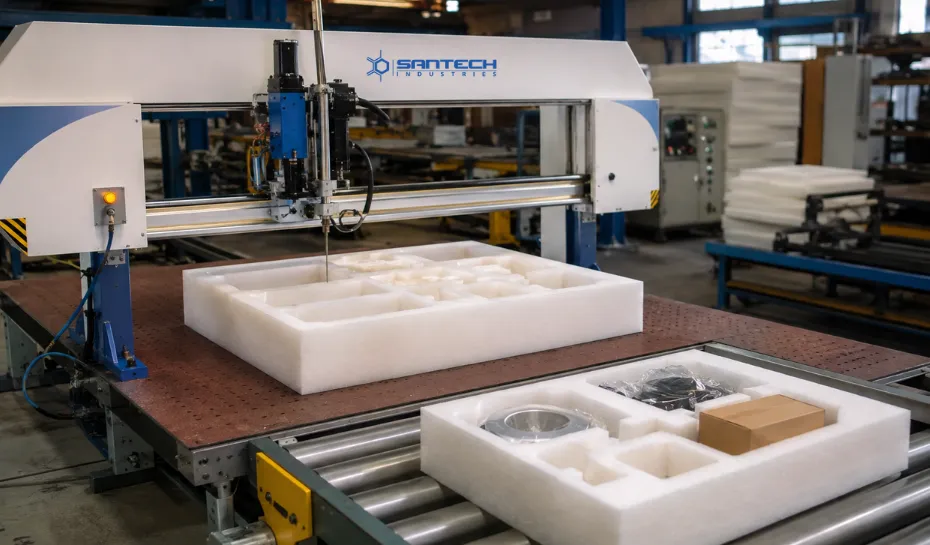
Foam packaging applications may require cutting and specialised processing equipment to create protective inserts, cushioning components, and customised product shapes.
Flexible cutting and processing capabilities can be particularly important when manufacturers produce packaging solutions for different product sizes.
5. For Rebonded Foam Manufacturers
Businesses processing foam scrap may require foam shredding and supporting equipment for material recovery and rebonded foam production.
The required setup depends on the type and volume of scrap material being processed and the specifications of the final rebonded foam products.
6. Choose Equipment Around Your Production Workflow
The most suitable solution depends on your production workflow, required output, product specifications, available factory infrastructure, and future expansion plans.
Instead of selecting individual machines in isolation, evaluate how the equipment will work together across the complete manufacturing process. For example, manufacturers planning their cutting requirements can explore our guide to foam cutting equipment to understand the equipment involved in foam cutting operations. This approach can help reduce workflow bottlenecks, unnecessary material handling, and future equipment replacement costs.
Conclusion
Choosing the right foam manufacturing machine is not simply about finding the machine with the highest capacity or the lowest price. The right investment should match your production requirements, foam application, output targets, automation needs, factory space, and long-term growth plans.
Before making a purchase, evaluate the complete production workflow and determine which foam production equipment is actually required. Consider production capacity, continuous or batch processing, machine configuration, operating costs, maintenance, and technical support.
Whether you are setting up a PU foam manufacturing facility or processing foam for mattresses, furniture, packaging, or other applications, selecting equipment around your actual production needs can help build a more efficient and scalable operation.
Planning your next foam manufacturing setup? Talk to Santech Foam Machines, a trusted foam company, to discuss your production requirements and find the right equipment configuration for your business.