

What is Polyurethane Foam?
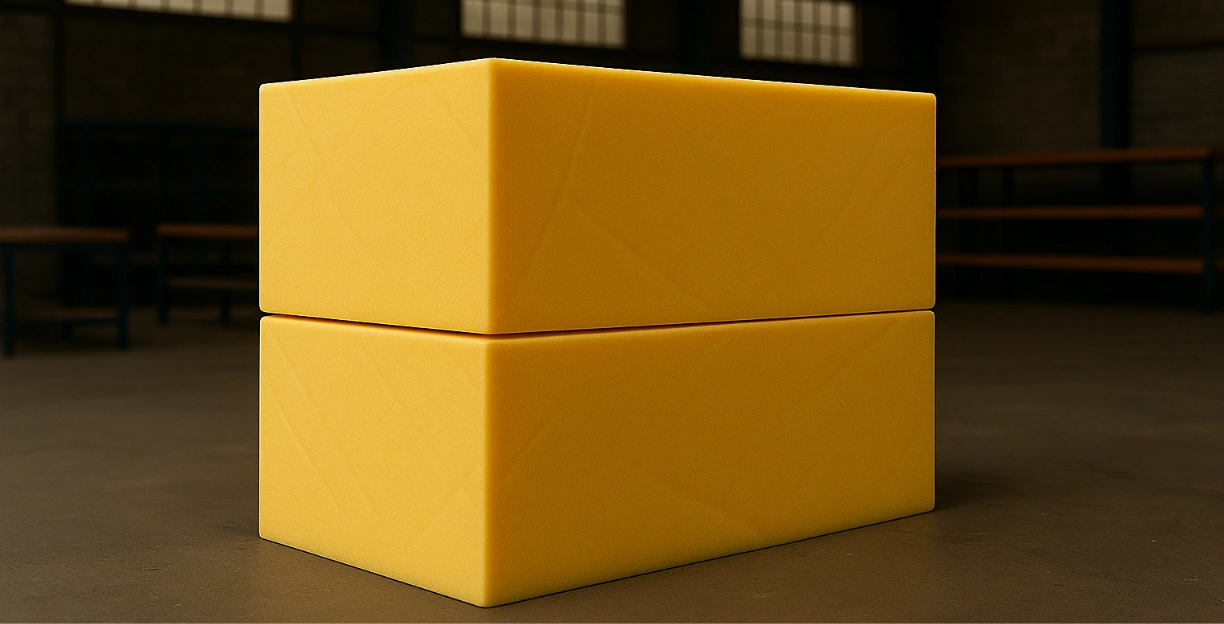
Polyurethane Foam is a type of plastic foam made by mixing two main chemicals called polyols and isocyanates. When combined with water and other additives, they form a bubbly liquid that quickly grows into foam and sets into a solid shape. This makes a material that is both light and strong. The best part is that manufacturers can change the mix to make the foam soft, hard, or somewhere in between. This is why PU foam is found in so many places like sofas, mattresses, fridges, cars and even sports equipment.
Different Types of PU Foam
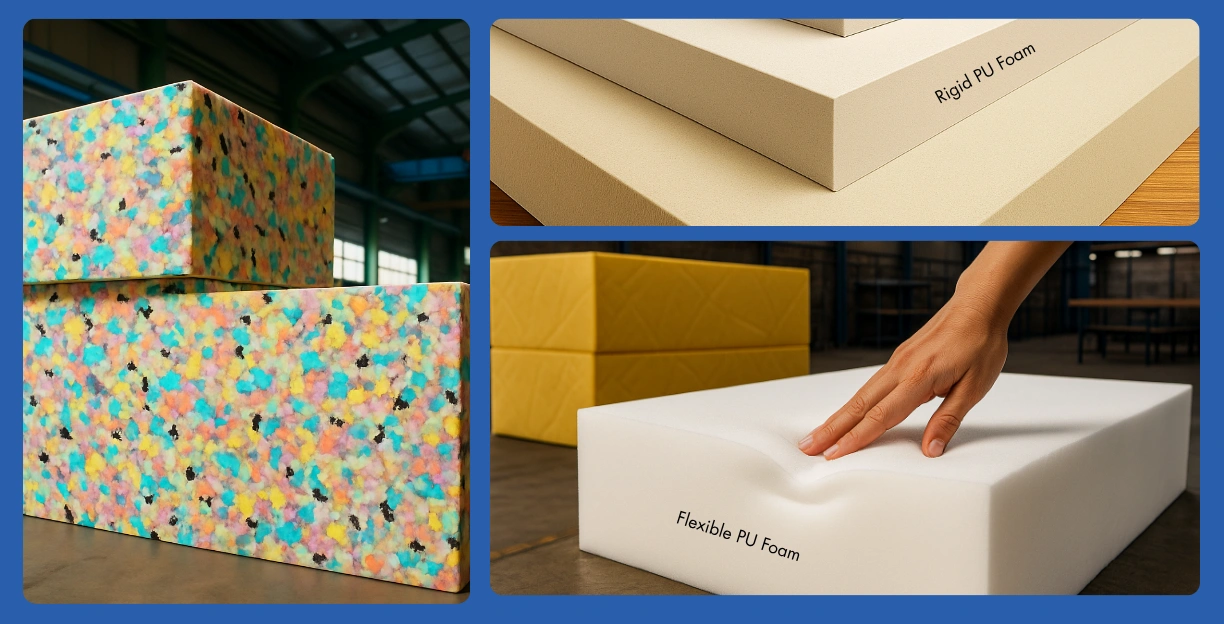
The different types of PU Foam are mainly based on the foam’s application, structure, firmness and how they perform. Some are soft and airy, others are tough and solid, while some are made by reusing leftover foam. Let’s take a closer look in each type of polyurethane foam:
Rigid PU Foam
Rigid PU foam is hard and strong. It is used where we need something that holds its shape and provides good insulation. You will often find it inside the walls of fridges, freezers and in panels used in building construction. Rigid foam does not soak up water easily, so it helps keep things dry and at the right temperature.
Flexible PU Foam
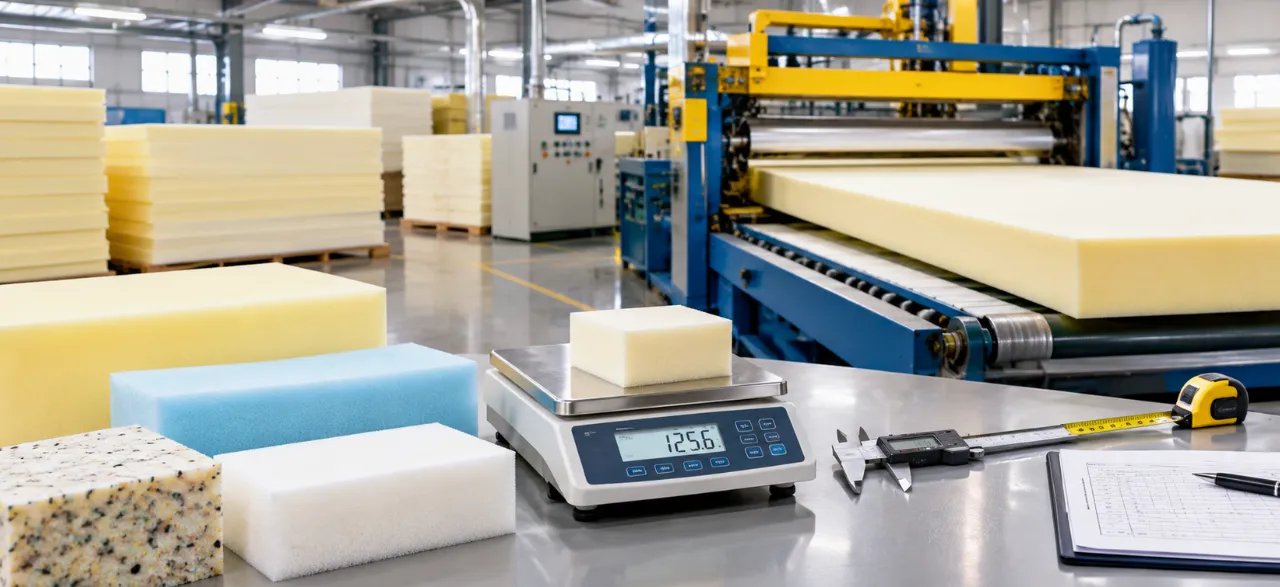
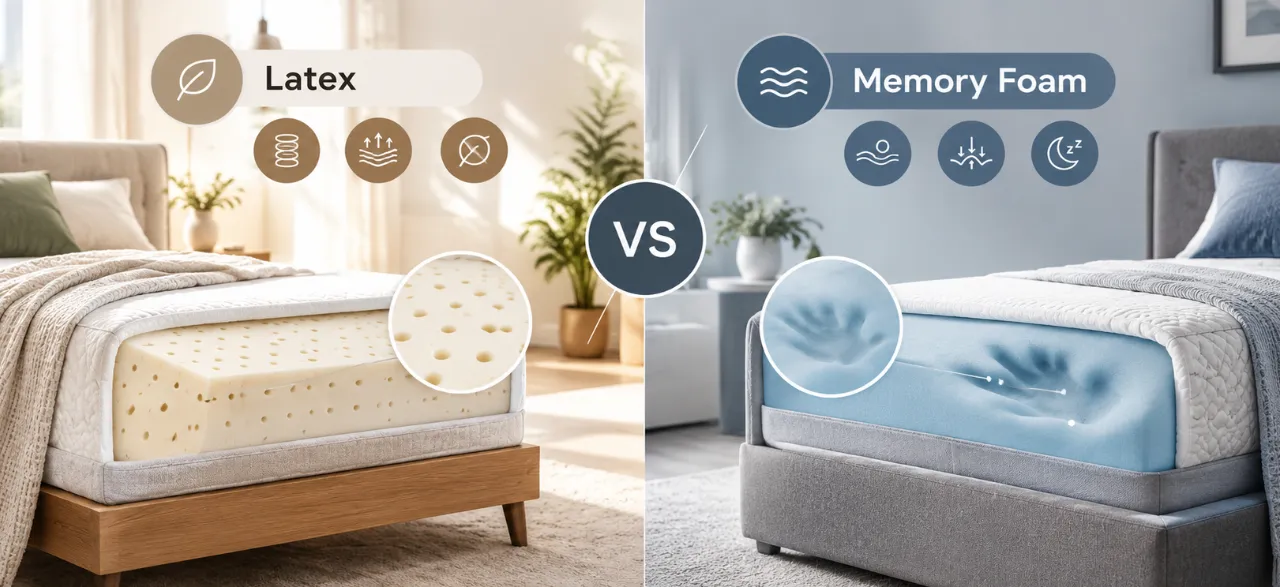
Flexible PU foam is soft and squishy. This is the foam we relax on every day. It is used in beds, cushions, chairs and car seats. It has an open structure that lets air move through it, which makes it comfortable to sit or lie on. Even though it feels gentle, it still gives good support and springs back to shape after being pressed.
Rebond PU Foam
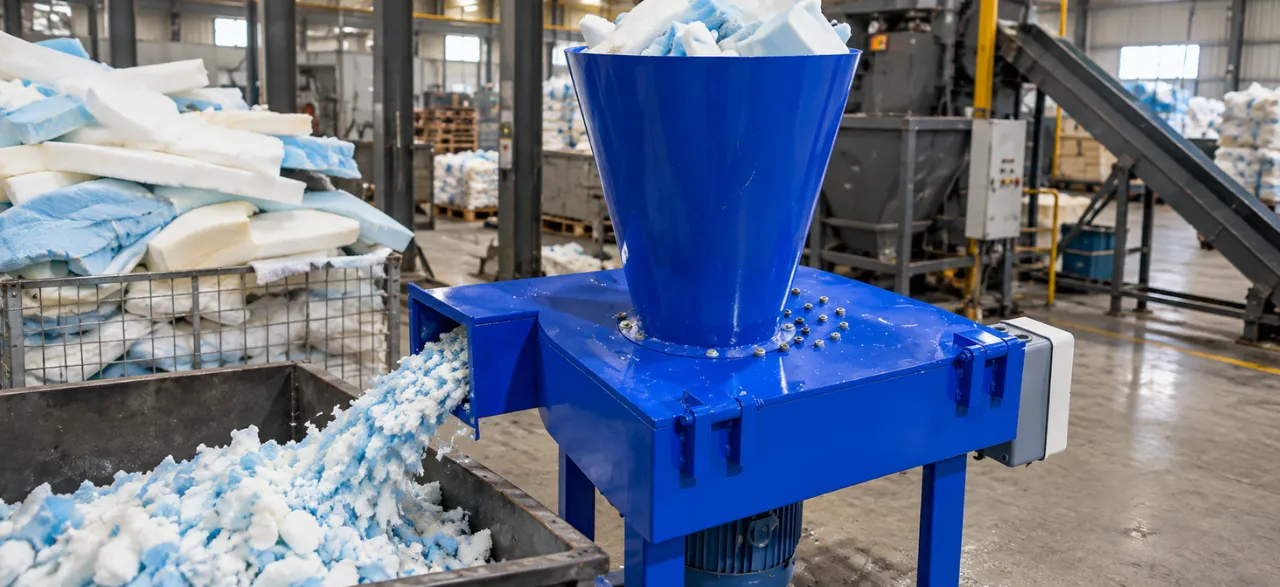
Rebond foam is made by recycling leftover pieces of flexible PU foam. These scraps are chopped up and then stuck together with glue under pressure to form a solid block. This block is then cut into sheets or shapes. Rebond foam is firm and long lasting, which makes it great for carpet underlays, gym mats and soundproofing panels. It also helps reduce waste by reusing foam that might otherwise be thrown away.
How These Different Types of PU Foam Are Manufactured
Now that we know about the main types of PU Foam, let us see how they are made.
The Process of Manufacturing Flexible PU Foam
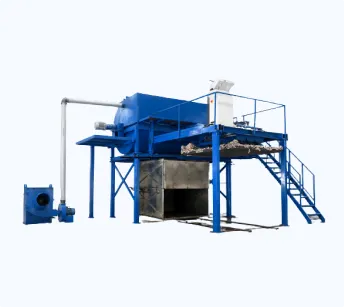
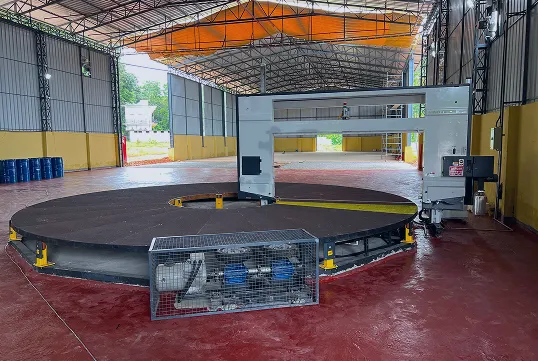
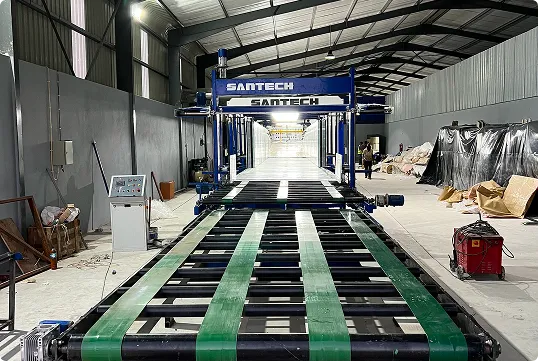
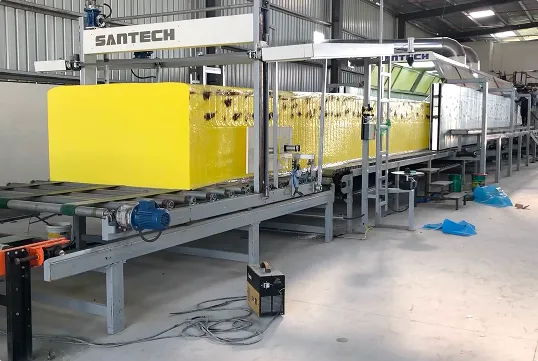
To make flexible foam, manufacturers mix polyols, isocyanates, water and a few other ingredients in careful amounts. This mix goes into foaming machines, which let the chemicals react and turn into foam. The foam rises and hardens into big blocks. After it sets, the blocks are cut into sheets or special shapes for use in sofas, beds and cars. Modern foaming machines make sure the foam is always the same quality.
The Method Used For Producing Rigid PU Foam
Making rigid foam is similar, but the recipe changes slightly so the foam ends up hard with tiny closed cells. The liquid mixture is often poured or sprayed into moulds or onto surfaces. It then expands and hardens right where it is needed. This means it fits tightly in walls or fridge panels without any gaps, giving great insulation.
The Procedure For Fabricating Rebond PU Foam
Rebond foam starts with leftover bits of flexible foam. These are chopped into small pieces, mixed with glue and packed into a mould. Pressure and heat make it stick together to form a solid block. After it cools, the block is cut into sheets or specific sizes. Even though it is made from recycled foam, it is very tough and lasts a long time.
Conclusion
As you can see, there are many types of PU Foam, each with its own strengths. Rigid foam keeps homes and fridges well insulated, flexible foam gives us comfort and support, and rebond foam helps the environment by making use of leftover materials. Thanks to clever foaming machines, manufacturers can produce just the right type of Polyurethane Foam for any job. So next time you sit on your sofa or open the fridge, you will know there is some smart foam work behind it. If you want to learn more or need help choosing the right foam for your project, feel free to get in touch with us.