

Understanding Foam And Its Applications
Foam is a remarkable material characterised by its cellular structure, which consists of countless tiny gas-filled bubbles or cells. This unique structure imparts foam with a range of desirable properties, including lightweightness, insulation, cushioning, and shock absorption. These properties make foam invaluable in various industries and applications.
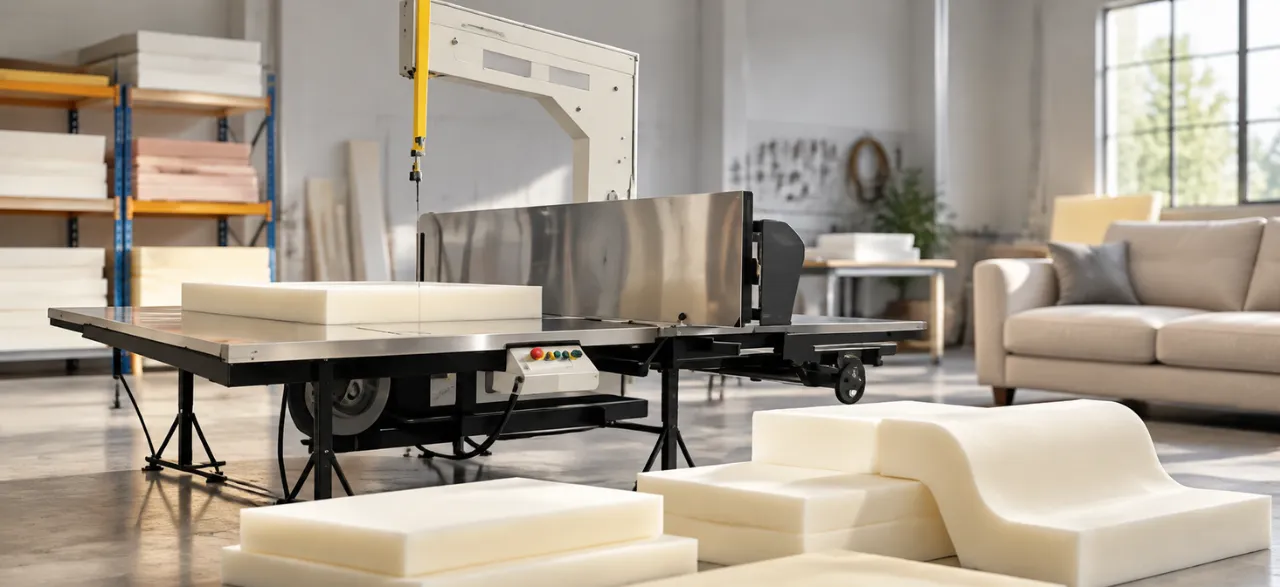
In the automotive industry, foam is used for seat cushions and padding in vehicle interiors to enhance comfort and safety. In construction, foam serves as insulation material, helping to regulate temperature and reduce energy consumption. Mattresses, sofas, and pillows rely on foam for their plush feel, while packaging foam ensures the safe transport of fragile goods. Foam also plays a pivotal role in soundproofing and acoustics, improving the auditory environment in buildings.
The Role Of Foaming Machines
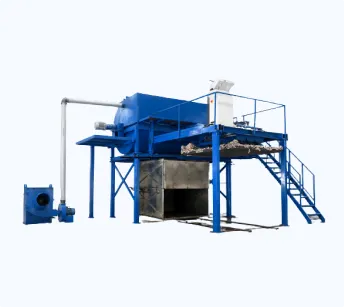
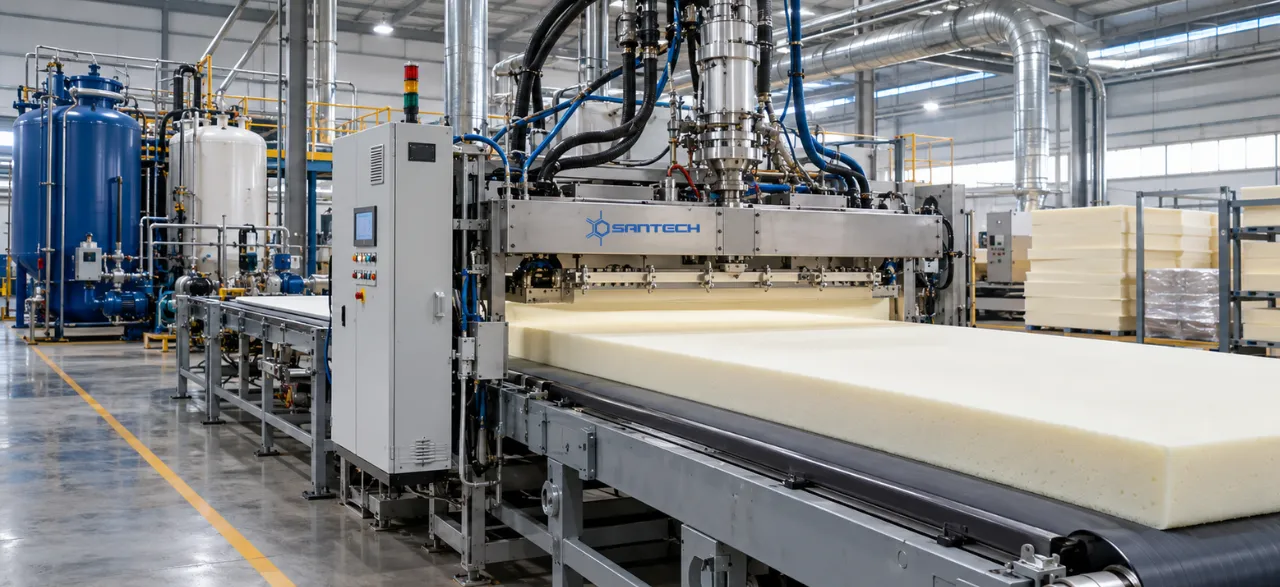
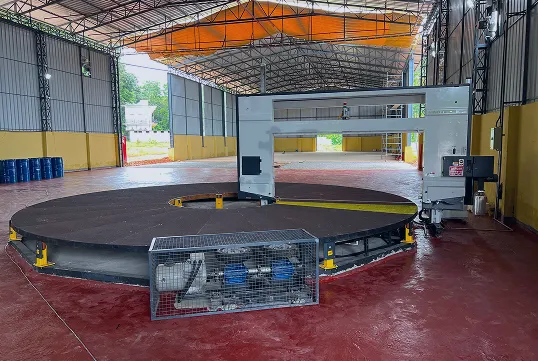
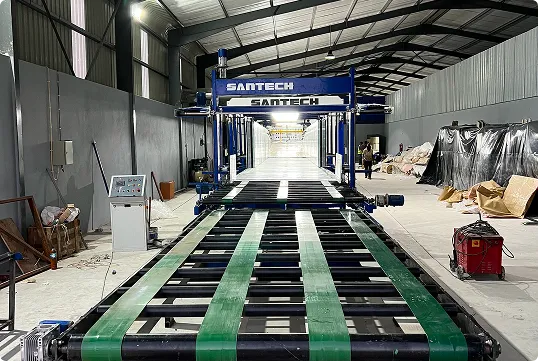
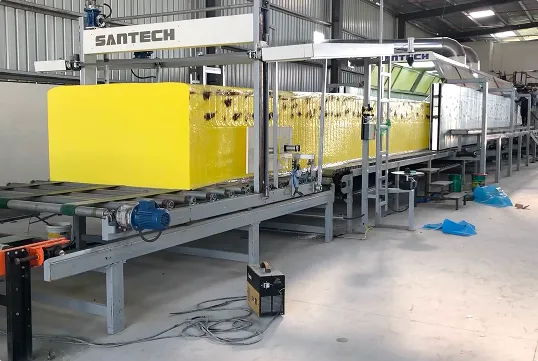
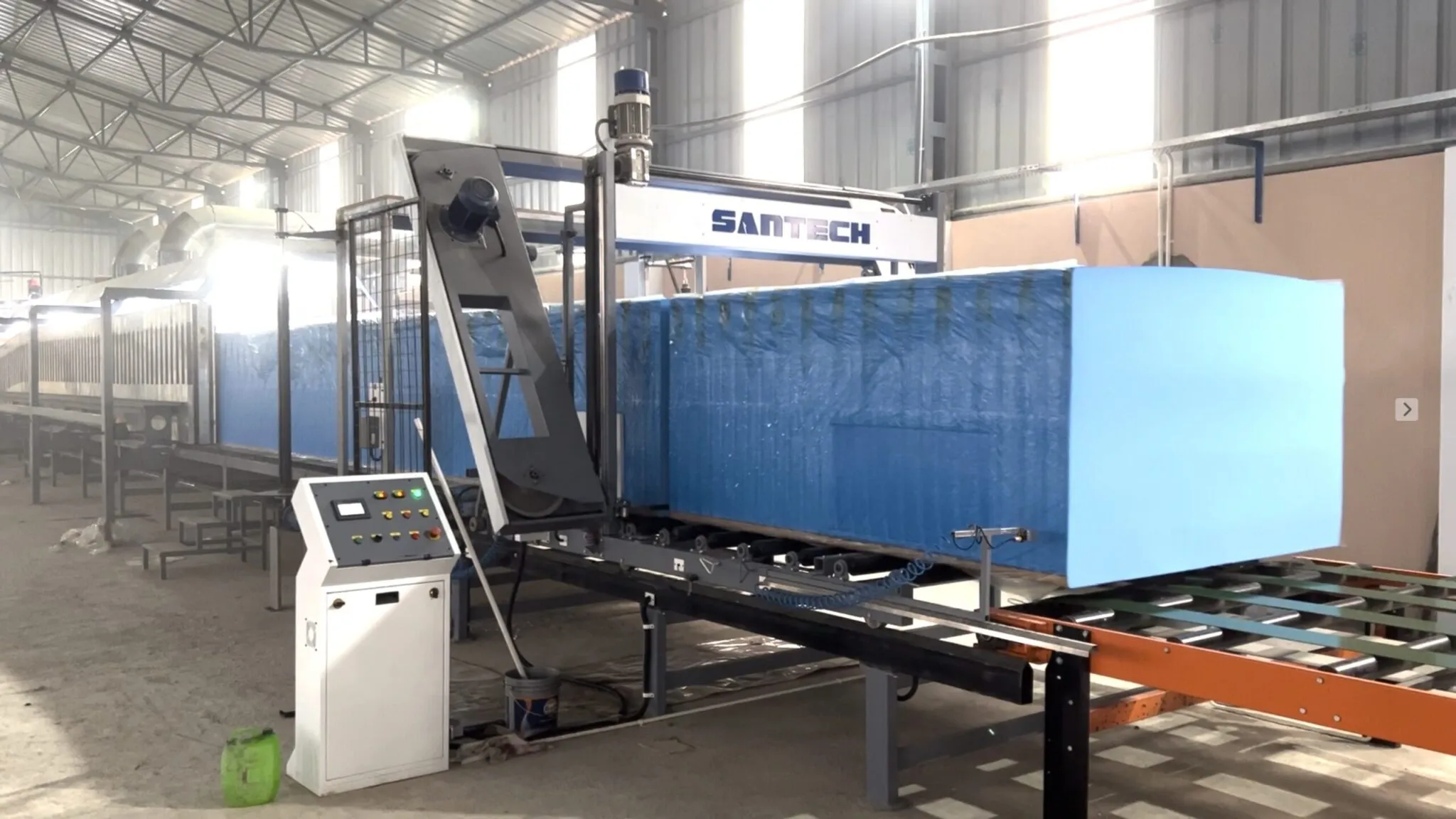
Foaming machines are the backbone of foam production, automating and streamlining a process that would be incredibly challenging to execute manually. The Santech Foaming machine, as a notable example, exemplifies the precision and efficiency that modern foaming machines bring to the table.
These machines are equipped with tanks that hold the essential raw materials: polyols (a type of alcohol) and isocyanates. These chemicals are carefully metered and mixed in precise proportions, creating a reactive blend. Simultaneously, a third component, typically a blowing agent like carbon dioxide, is introduced to generate the gas necessary for creating the foam’s characteristic structure
The Technology Behind Foaming Machines
To fully appreciate the technology within foam machines, let us delve into the chemical reactions involved. The mixing of polyols and isocyanates triggers an exothermic reaction, releasing heat. This reaction forms the polyurethane foam’s initial structure.
Simultaneously, introducing the blowing agent, such as carbon dioxide, causes gas bubbles to form within the reacting mixture. As the foam solidifies, these bubbles expand and become trapped within the polymer matrix. The result is a lightweight and resilient material with a multitude of potential applications.
Precision control is essential throughout this process. Foaming machines use sophisticated sensors and automated systems to monitor and adjust real-time temperature, pressure, and chemical ratios. This ensures that the foam’s quality and properties remain consistent.
Maintenance And Optimisation
Maintaining foam machines is crucial to prevent disruptions in production and maintain product quality. To prevent contamination, regular maintenance tasks include cleaning components like mixing heads, pumps, and tanks. Lubrication ensures that moving parts continue to operate smoothly.
Moreover, machine operators must inspect critical components for wear and tear. Seals and hoses can degrade over time, potentially leading to leaks or inefficient operation. Routine inspections help identify these issues before they escalate.
Calibration and adjustment are also vital for optimising foam production. The foaming machine’s settings may need to be fine-tuned to meet specific product requirements. This level of customisation ensures that the foam produced aligns precisely with the desired properties, whether it’s density, firmness, or insulation capability.
Troubleshooting Tips
Troubleshooting foaming machine issues requires a systematic approach. If foam quality is inconsistent, it may be due to variations in chemical mixing ratios or gas injection settings. Calibrating these parameters can restore consistency.
- Foam collapsing might indicate issues with curing. Adjusting curing times and temperatures can help achieve the desired foam structure and properties.
- Leakage can disrupt production and compromise product quality. Identifying and replacing worn seals or faulty hoses is essential to prevent foam from escaping the machine.
- Blockages in the machine’s piping or mixing heads can produce irregular foam. Routine cleaning and inspection are key preventative measures to avoid this problem.
- Excessive foam density can be adjusted by modifying gas injection pressure or altering chemical ratios to achieve the desired foam characteristics.
Advancements In Foam Production
Foam production continues to evolve with innovations that aim to enhance its properties and sustainability. Bio-based foams, which use renewable resources rather than petrochemicals, are being researched. These green foams have the potential to lessen their negative effects on the environment and their dependence on fossil fuels.
Advanced foaming techniques, such as microcellular foaming, enable the creation of foams with even smaller and more uniform cell structures. This can lead to foam products with improved insulation properties, making them more energy-efficient.
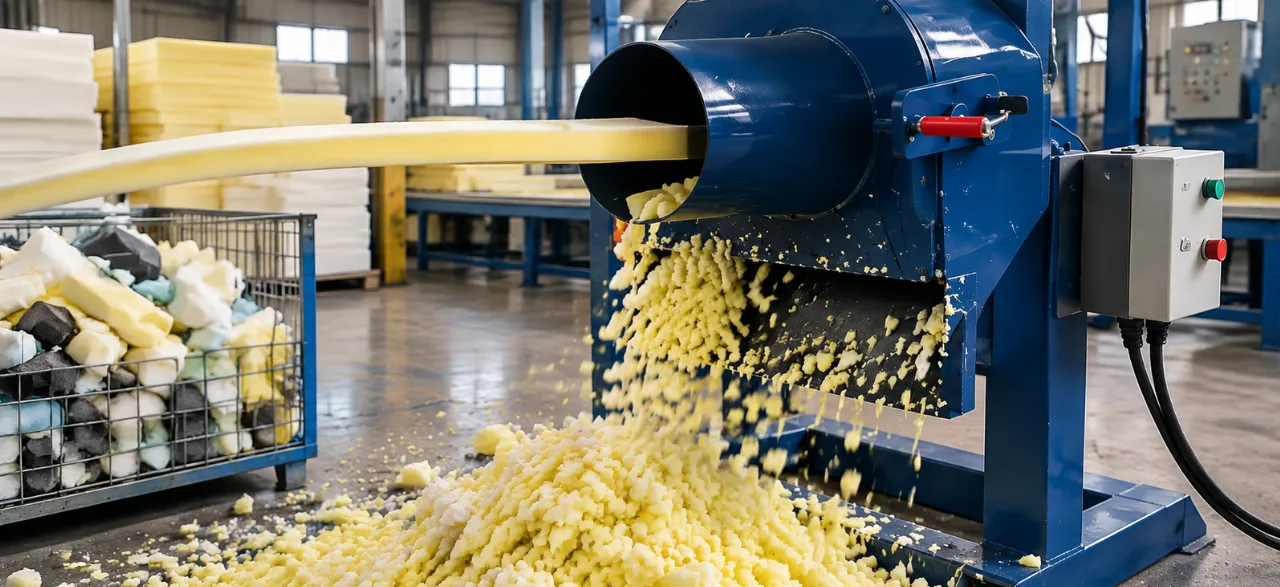
Furthermore, integrating recycled materials and processes for foam production contributes to circular economy efforts, reducing waste and resource consumption.
Winding Up
Foam production with foaming machines is a fascinating blend of chemistry, engineering, and precision. Foam’s versatile properties make it indispensable in various industries, and the role of foaming machines in its creation cannot be overstated. The Santech Foaming machine and its counterparts drive efficiency and quality in foam production.
Whether you are a foam machine manufacturer seeking to optimise foam production or simply intrigued by the science behind foam, this knowledge empowers you to appreciate the foam-filled world around you.