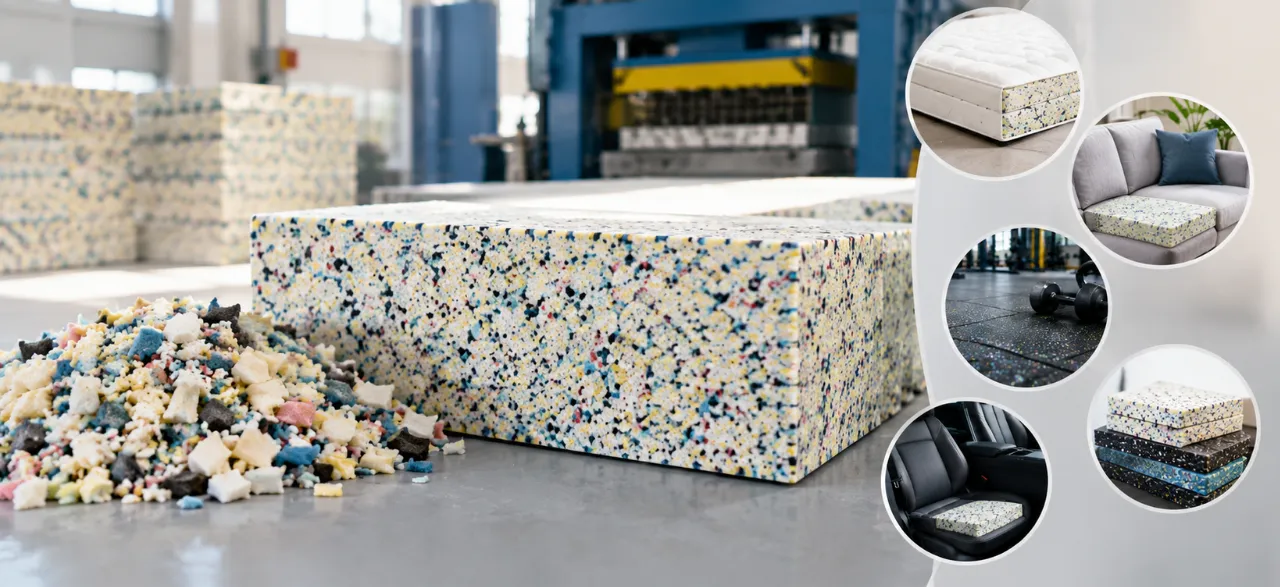


Rebonded foam is a dense polyurethane foam made by shredding foam scraps, mixing them with a bonding agent, and compressing the mixture into a solid block. It is known for its firmness, durability, and ability to make use of leftover foam material, making it a popular choice for mattresses, furniture, flooring, gym mats, carpet underlay, and packaging.
Unlike conventional foam, rebonded foam is produced from recycled or leftover foam pieces rather than being formed as one continuous foam structure. The manufacturing process typically involves collecting and shredding foam waste, mixing the shredded pieces with adhesive, moulding the mixture, and applying pressure to form a rebonded foam block. These blocks can then be cut into sheets or other shapes based on the application.
In this guide, we’ll look at what rebonded foam is, how it is manufactured, its common uses, key benefits, and the equipment used in the rebonded foam production process.
What Is Rebonded Foam?
Rebonded foam is made by combining small pieces of shredded PU foam with a bonding agent and compressing the mixture into a solid block. The resulting material has a dense, firm structure that provides good support and resistance to repeated compression.
Unlike conventional foam, its final properties can be adjusted during manufacturing. Factors such as foam particle size, binder quantity, mixing consistency, and compression pressure influence the density, firmness, and overall performance of the finished rebonded foam.
This allows manufacturers to produce rebonded foam in different grades to meet the requirements of applications such as mattresses, furniture, flooring, gym mats, and industrial cushioning.
What Is Rebonded Foam Made Of?
Rebonded foam is mainly made from shredded polyurethane (PU) foam, a bonding agent, and sometimes additional materials used to achieve specific density or performance requirements.
The main components include:
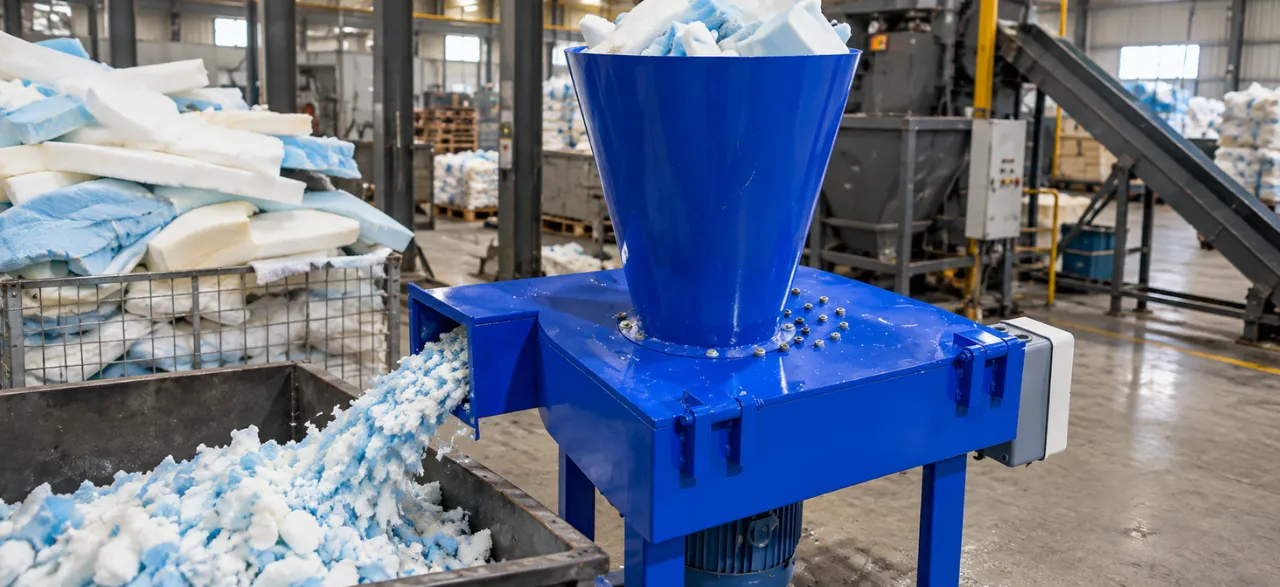
- Shredded PU foam: The primary raw material. Foam scraps and offcuts are processed through a foam shredding machine to break them into small, uniform pieces before further processing.
- Binder or adhesive: A suitable polyurethane-based adhesive is added to hold the foam pieces together and form a stable block.
- Water or processing additives: Depending on the manufacturing method and binder used, small amounts of processing materials may be required to support proper bonding and curing.
- Pigments or other additives: These may be added when a particular color or performance characteristic is required.
The final properties of rebonded foam depend largely on the type and size of foam particles, binder quantity, mixing quality, compression pressure, and curing conditions. By controlling these fa
Key Characteristics of Rebonded Foam
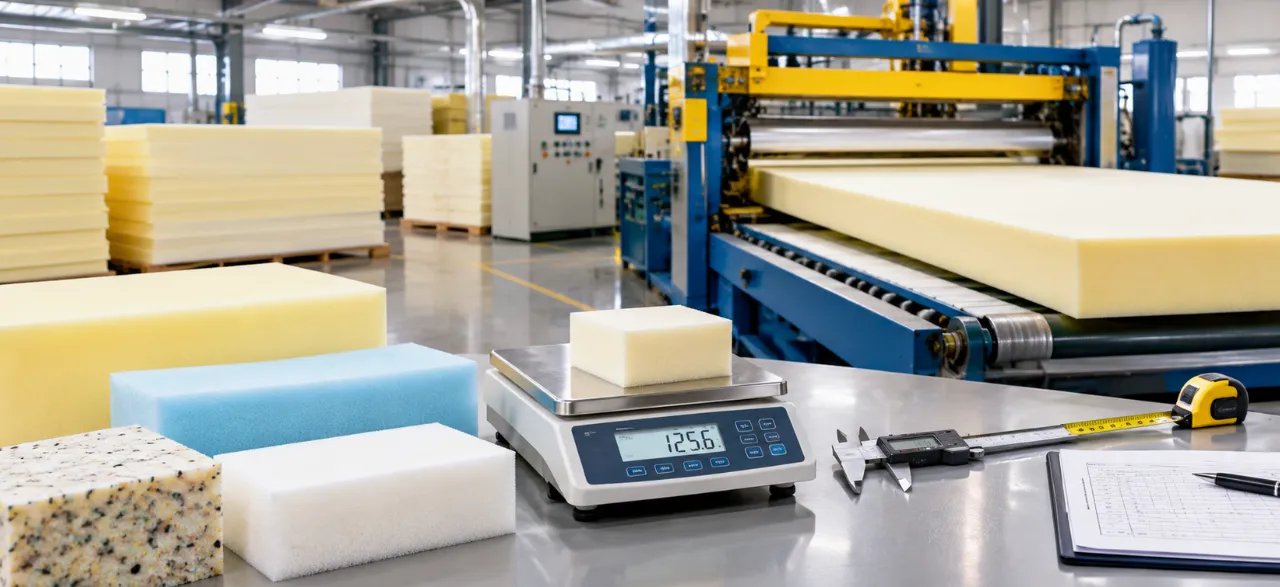
The performance of rebonded foam depends on its structure, foam density, and manufacturing process. Foam density is an important factor that influences the material’s firmness, durability, flexibility, and suitability for different applications across various industries.
| Feature | Description |
|---|---|
| Density | Available in various densities depending on application requirements. |
| Durability | Provides long-lasting performance under repeated pressure. |
| Structure | Made from compressed recycled foam particles. |
| Flexibility | Can be manufactured in different thicknesses and shapes. |
| Sustainability | Helps reduce foam waste through recycling. |
How is Rebonded Foam Made?
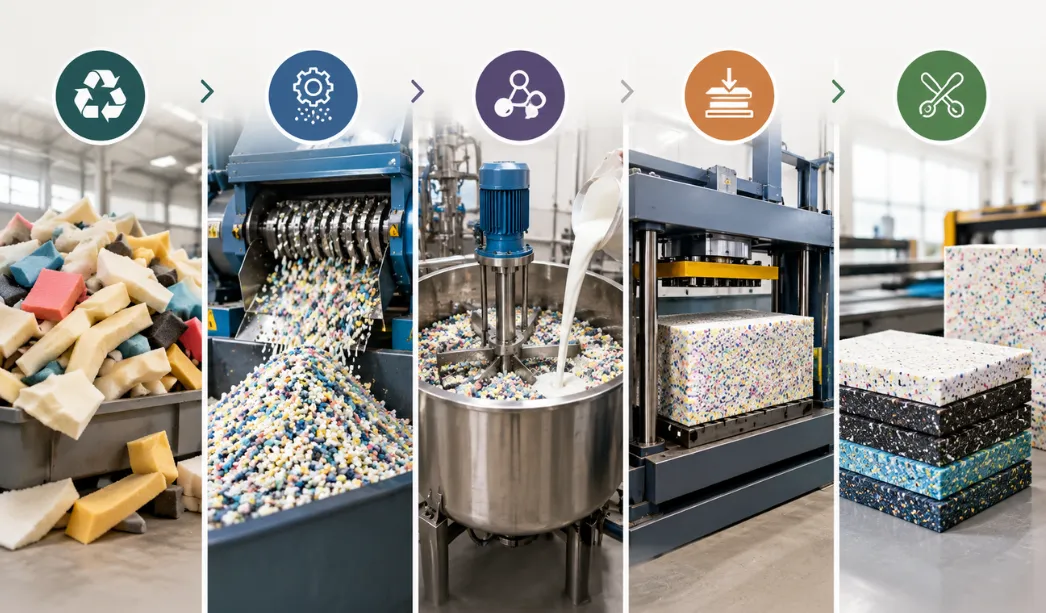
The manufacturing process of a rebonded foam consists of multiple steps to ensure consistency, strength, and quality.
1. Collection and Sorting of Foam Waste
The first step mainly consists of collecting PU foam scraps from industries such as mattress manufacturing, furniture production, and automotive applications.
These foam pieces are sorted to remove unwanted materials and ensure that only suitable foam waste enters the production process.
2. Shredding the Foam
The selected foam scraps are then processed through the shredding equipment, which further breaks them into small and uniform particles.
The size of the foam particles plays an important role in determining the final texture and strength of the finished product.
3. Mixing With Binding Agents
Once the shredding is done, the foam particles are mixed with a specialised adhesive or bonding chemical. This helps the individual foam pieces to stick together and form a strong internal structure.
4. Compression and Moulding
In this step, the mixture is placed inside a mould and compressed using specialised equipment. Pressure helps in creating a dense foam block with uniform thickness and strength. A rebonded foam machine is used during this stage to automate compression and improve production efficiency.
5. Cutting and Finishing
Once the foam block has been cured, it is cut into the desired sizes and shapes using a foam cutting machine. The finished blocks or sheets can then be used for mattresses, sports flooring, furniture, and other industrial applications.
Benefits of Using Rebonded Foam
Rebonded foam is widely used because it offers a practical combination of durability, load-bearing strength, cost efficiency, and material reuse. Its dense structure makes it suitable for applications where regular foam may not provide enough support or resistance to repeated pressure.
| Benefit | Why It Matters |
|---|---|
| High Durability | Withstands repeated compression and heavy use while maintaining its shape and performance. |
| Better Load Support | Provides strong compression resistance for gym flooring, commercial seating, carpet underlay, and packaging support. |
| Eco-Friendly | Reuses foam scraps and production offcuts, helping reduce polyurethane foam waste. |
| Cost-Effective | Makes productive use of recovered foam materials and can reduce material waste during manufacturing. |
| Customisable Density | Can be produced in different densities and firmness levels to meet specific application requirements. |
Common Uses of Rebonded Foam
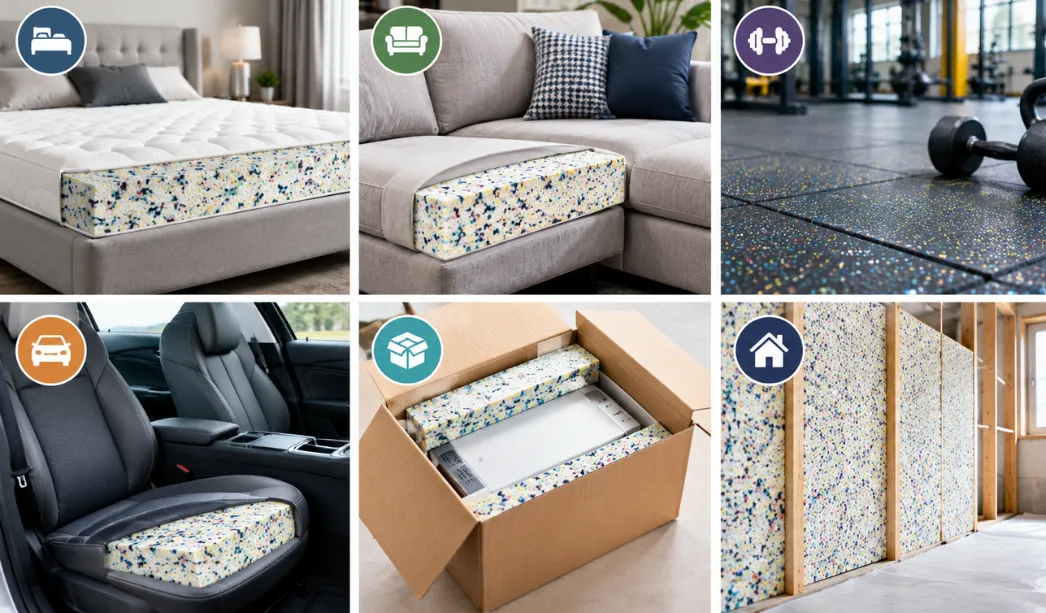
Rebonded foam is valued for its strength, firmness, durability, and ability to handle repeated pressure, making it useful across several industries. Its applications range from supportive mattress layers and furniture padding to gym flooring, automotive components, packaging, and construction materials.
1. Mattress Industry
In mattresses, rebonded foam is used for firm support layers, mattress bases, and cushioning components. Its dense structure provides stability and helps the mattress withstand regular use.
2. Furniture
The furniture industry uses rebonded foam for sofa cushions, seating support, padding, and upholstery applications. Its firmness makes it suitable for areas that require additional structural support.
3. Sports Industry
Rebonded foam is commonly used for gym flooring, exercise mats, and impact-absorbing surfaces. Its dense structure helps provide cushioning while handling repeated impact and pressure.
4. Automotive
In automotive applications, rebonded foam can be used for vehicle seating, interior padding, and cushioning components, where durability and resistance to compression are important.
5. Packaging
Its shock-absorbing properties make rebonded foam useful for protective packaging and cushioning solutions. It can help protect products from impact and vibration during handling and transportation.
6. Construction
In construction, rebonded foam can be used in acoustic insulation, underlay, and other cushioning applications. Its density and structure make it suitable for applications where sound absorption, cushioning, or additional support is required.
Why Is Rebonded Foam Used in Mattresses?
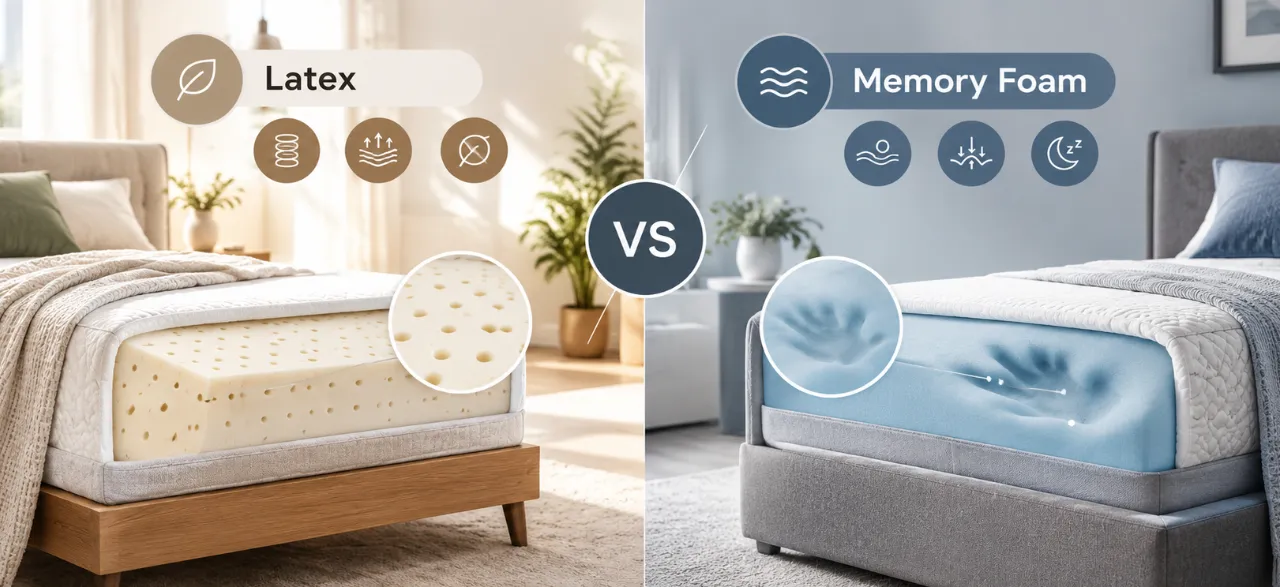
Mattresses require materials that offer both comfort and structural support. This is where rebonded foam mattresses provide an advantage.
They are commonly used as support layers due to their:
- Higher density
- Firm feel
- Resistance to deformation
- Long service life
- Ability to support heavier loads
However, rebonded foam is generally combined with softer foam layers to create a balanced sleeping experience. This, in turn, helps the manufacturers to develop mattresses that provide both support and comfort.
Importance of Rebonded Foam Machines in Manufacturing
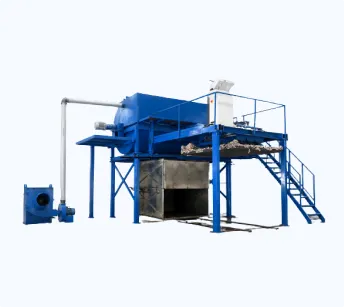
Producing uniform quality foam demands specialised equipment. A rebonded foam machine helps the manufacturers to automate important stages, including mixing, compression, and moulding.
Modern machines help in improving the following:
- Production speed
- Foam block consistency
- Material utilisation
- Labour efficiency
- Product quality control
For businesses that are planning to enter foam recycling or expand production capacity, selecting reliable machinery is an important decision.
What Should Manufacturers Look for in a Rebonded Foam Machine?
Choosing the right foam manufacturing machine can directly affect production capacity, foam quality, operating costs, and overall productivity. Before investing in equipment, manufacturers should consider their production requirements, required foam density and quality, available factory space, automation needs, and future expansion plans. For a broader understanding of equipment selection and production requirements, refer to our foam manufacturing guide for Your Production. The right machine should not only meet current production demands but also provide the efficiency and flexibility needed as the business grows.
| Factor | Why It Matters |
|---|---|
| Production Capacity | Determines how much rebonded foam the machine can produce within a given production cycle. |
| Compression System | Ensures even compression and helps achieve consistent foam density and block dimensions. |
| Density Control | Allows manufacturers to produce different foam densities and firmness levels for specific applications. |
| Energy Efficiency | Helps control power consumption and reduce long-term operating costs. |
| Machine Durability | Robust construction and reliable components support continuous industrial production. |
| Automation Features | Reduces manual intervention and improves consistency, accuracy, and production efficiency. |
| Ease of Operation | Simple controls make the machine easier to operate, adjust, and monitor. |
| Maintenance & Spare Parts | Easy maintenance and readily available spare parts can reduce downtime and repair delays. |
| Machine Footprint | Ensures the equipment fits comfortably within the available factory and production space. |
| After-Sales Support | Provides access to installation guidance, technical assistance, maintenance support, and replacement parts. |
How Rebonded Foam Supports Sustainable Manufacturing
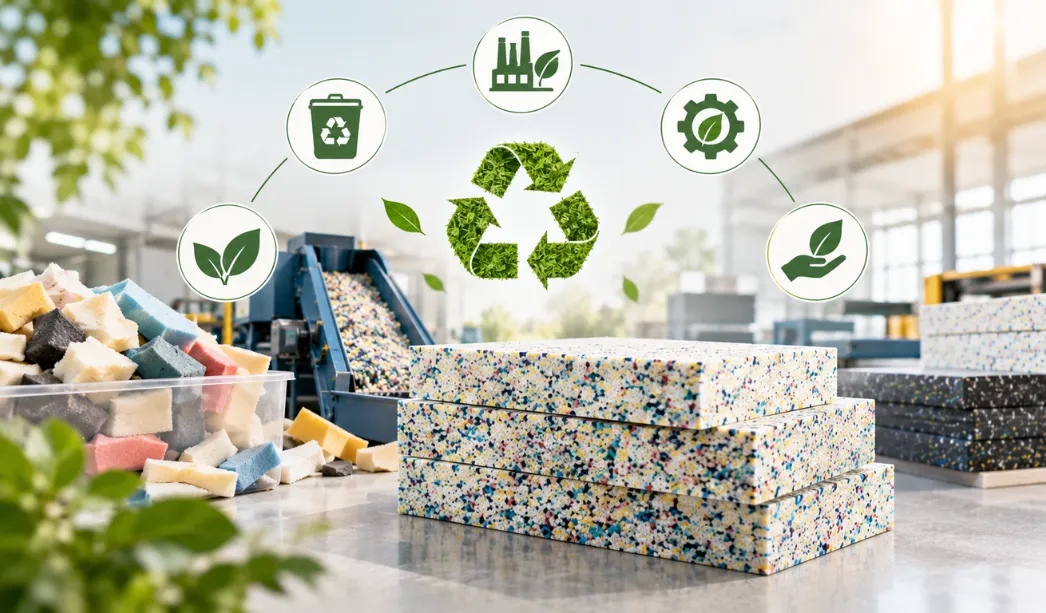
As industries place greater emphasis on responsible production, the demand for recycled and resource-efficient materials continues to grow. Rebonded foam offers a practical way to make better use of polyurethane foam waste that would otherwise be discarded.
By processing foam scraps and production offcuts into new rebonded foam products, manufacturers can reduce material waste and make better use of existing resources. This approach supports circular manufacturing by keeping usable foam material in production for longer while creating products suitable for a wide range of applications.
For foam manufacturers, recycling foam waste can also improve material efficiency and create opportunities to produce durable, cost-effective foam products. With the right equipment, manufacturers can streamline the recycling and rebonding process while reducing material waste. As more businesses adopt waste-reduction practices, reliable machinery from experienced foam machine manufacturers can play an important role in building a more efficient and sustainable foam manufacturing process.
Rebonded Foam vs. Traditional Foam: Key Differences
Choosing the right foam depends on a number of factors like durability, density, intended use, and sustainability. The table below highlights the key differences between rebonded foam and traditional foam to make the understanding easier for you.
| Feature | Rebonded Foam | Traditional Foam |
|---|---|---|
| Raw Material | Shredded foam scraps and production offcuts | New chemical raw materials |
| Density | Generally available in higher-density grades | Available across a wide range of densities and firmness levels |
| Durability | Strong resistance to repeated compression and heavy use | Varies depending on the foam formulation and grade |
| Sustainability | Reuses foam waste and production offcuts | Typically relies on new raw materials during production |
| Common Uses | Support layers, flooring, gym mats, and industrial applications | Cushions, comfort layers, mattresses, and furniture |
Conclusion
Rebonded foam is a durable and versatile material made by shredding PU foam waste, combining it with a bonding agent, and compressing the mixture into solid blocks. Its firmness, density, and resistance to repeated compression make it suitable for mattresses, furniture, gym flooring, automotive applications, packaging, and other industrial products.
The quality of rebonded foam depends on factors such as foam particle size, binder quantity, mixing consistency, compression pressure, and curing. Using suitable rebonded foam manufacturing equipment can help manufacturers maintain consistent block density, improve production efficiency, and make better use of foam waste.
For manufacturers looking to improve their foam recycling and rebonded foam production capabilities, Santech Foam Machines provides industrial foam machinery designed to support efficient and consistent manufacturing processes.