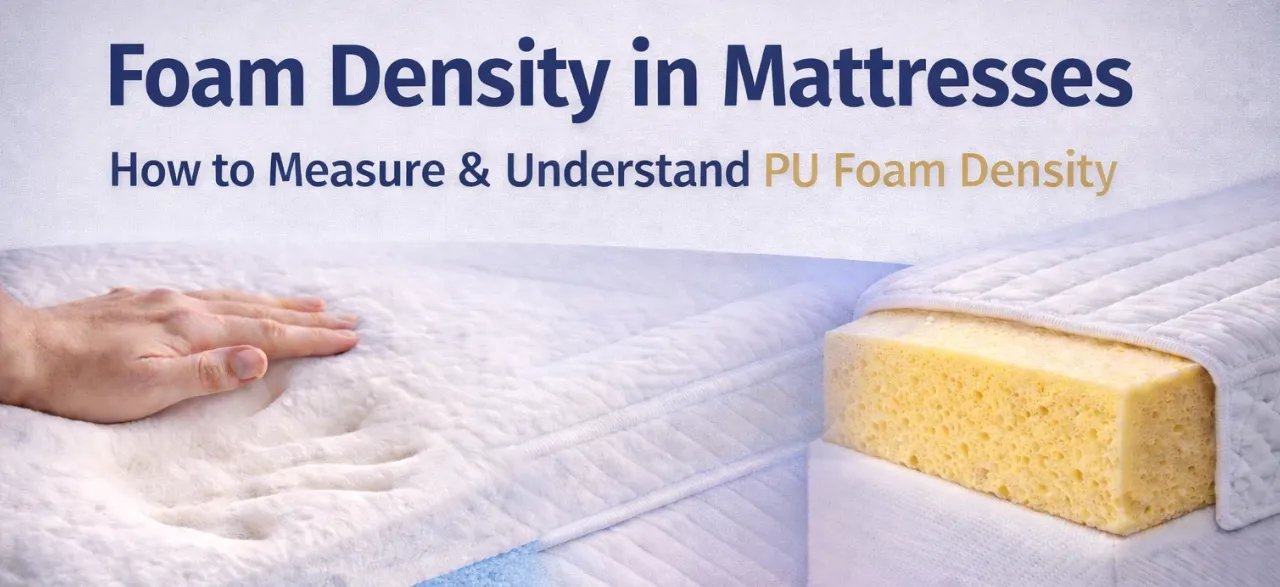


Foam density in mattresses is one of the most important factors that determines comfort, durability, and overall mattress performance. Whether you’re buying a mattress or manufacturing one, understanding PU foam density helps you choose the right level of support, longevity, and pressure relief. Foam density is measured in kilograms per cubic meter (kg/m³) and indicates how much material is packed into the foam not how firm the mattress feels.
In this guide, you’ll learn how to measure foam density in mattresses, how to calculate it accurately, the different PU foam density ranges, the factors that affect density during manufacturing, and how to select the ideal density for different applications. You’ll also find a helpful foam density chart to make comparisons easier.
Formation Of Foam – How And Where?
Let us first start with the basics of the formation of foam to get a better understanding of foam density.
How Is PU Foam Prepared?
Polyurethane foam is one of the four fundamental product types created from unprocessed, liquid polyurethane. They are made of two chemicals that, when combined and heated, create liquid polyurethane, which is then processed further. These chemicals include diisocyanate, a petroleum-based chemical that reacts with polyol, a type of complex alcohol. When the two are combined, they create a stable long-chain polyurethane polymer, which is the foundation of how foam is made.
Foam Production Process
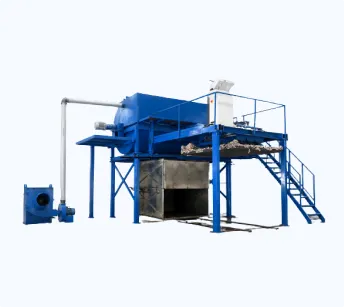
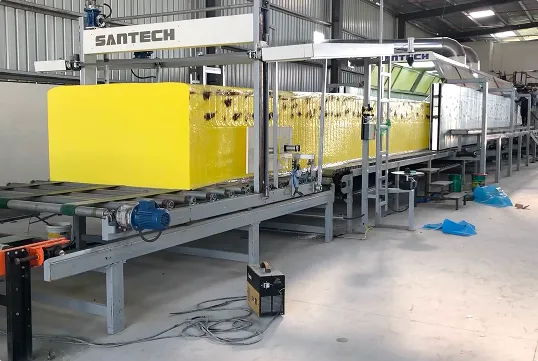
The components are blended in a foam making machine or foaming machine, where they are accurately metered and mixed using a precision mixing head or a master batching system to create the polyurethane polymer system. Polyols, diisocyanates, and chemical blowing agents are the primary reactive materials. Polyols and diisocyanates react to form the polyurethane polymer, while diisocyanates and water generate carbon dioxide gas, which creates the foam’s cellular structure. The mixing ratio and processing method vary depending on the type of PU foam being manufactured.
What Machines Are Used For Foam Production?
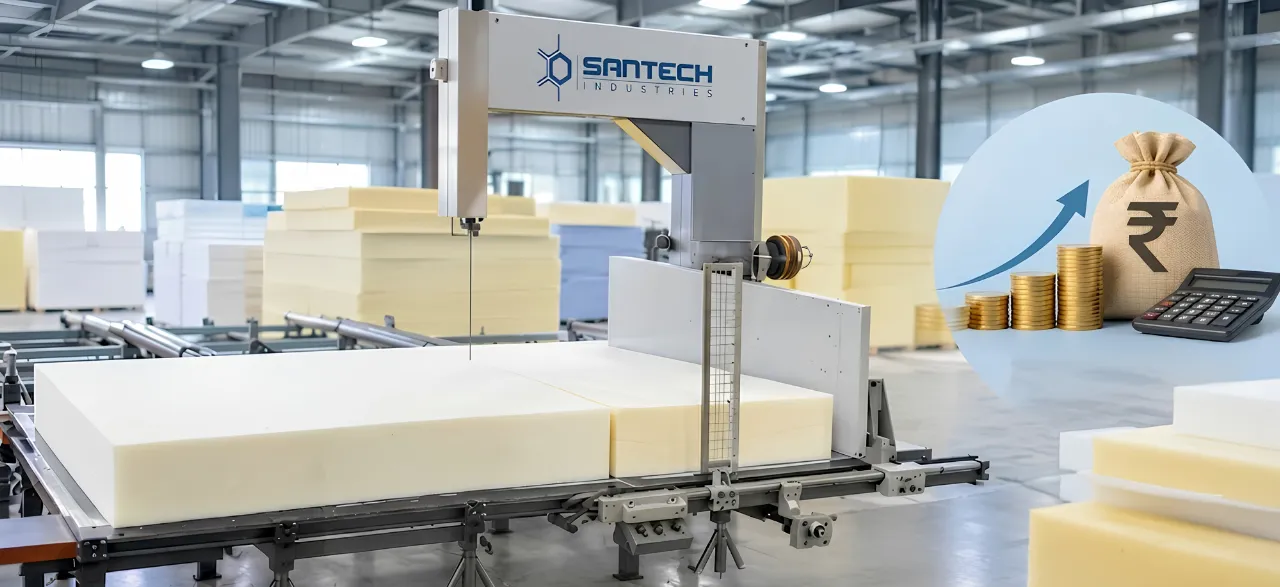
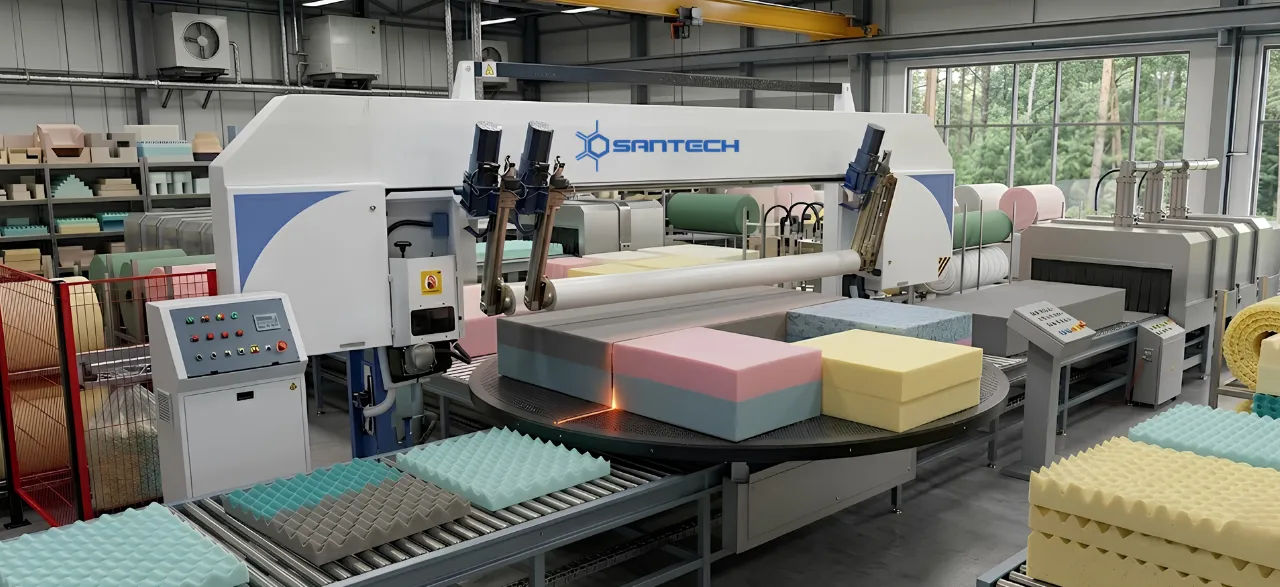
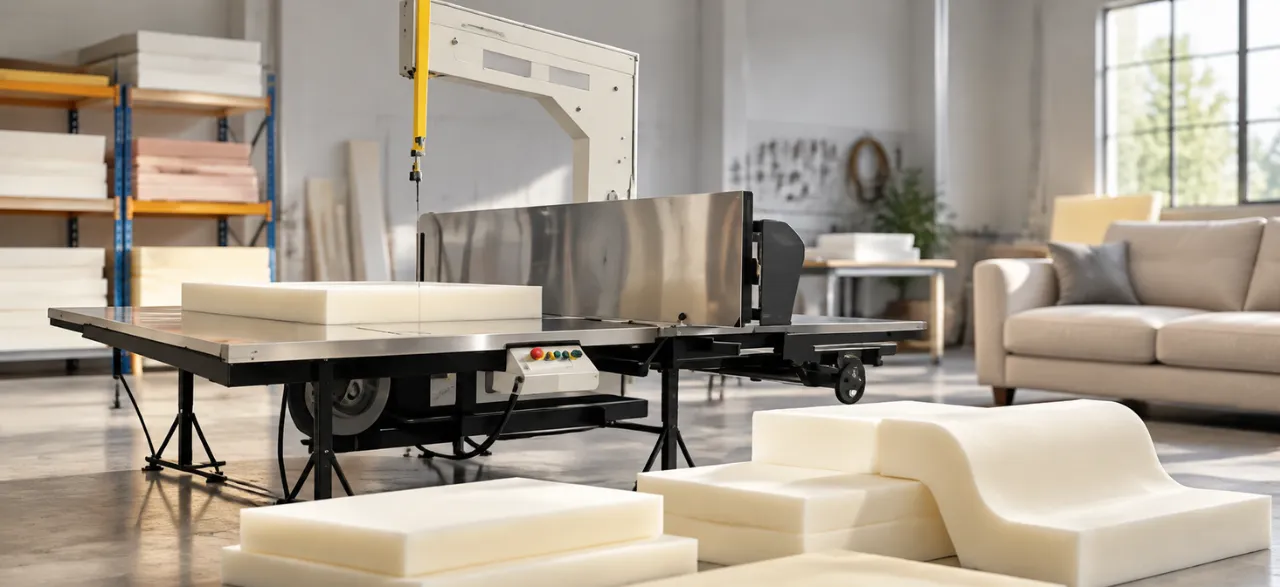
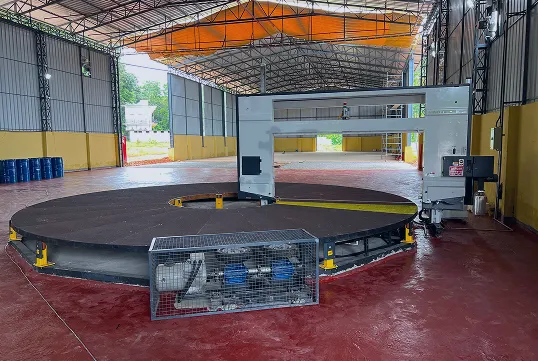
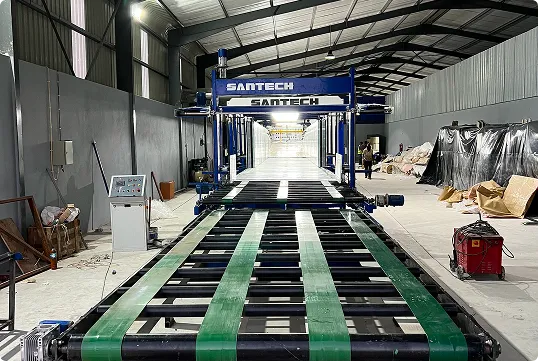
Foam blocks are made utilizing three well-known procedures, each requiring a full facility of the best industry foam machines. First, foam is produced using a foaming machine configuration that consists of a foam machine, a foam cutting machine, and an automated storage rack. The most recent industrial techniques include batch foaming, the continuous foam process, and recovered foam plants.
Where Does One Get These Types Of Machinery?
The varieties of industry foaming machines are continually expanding to accommodate the requirements of various situations. The foam machine manufacturers provide a wide range of machinery that is both secure and of high caliber. Foam equipment is catching merchants’ attention with its low-cost advantages as demand rises. Moreover, a foaming machine is available in several types and versions for different uses and different foam production.
Steps To Measure The Foam Density
Density is just the weight per unit volume. For foam, the unit of measurement is pounds per cubic foot (PCF). Alternatively, the weight of a single cubic foot of foam is used to calculate the density of the foam. The density significantly affects how the foam feels and functions. High-density foams typically feel firmer and are more pressure-resistant. On the other hand, low-density foams will feel softer but are not strong enough to support heavy loads.
Higher-density foams recover from pressure more slowly, especially when it comes to memory foam. Thus, this creates the character of memory foam, where a brief imprint of your body or an object is left in the foam.
How To Calculate Foam Density?
A piece of foam’s density is determined by dividing its weight by its volume (width, height, and length). Foam density in mattresses is defined as the weight per cubic foot when measuring in feet.
Foam Density Formula
Density = Weight ÷ Volume
Volume = Length × Width × Height
For accurate results, ensure the foam sample is fully cured and measure its dimensions and weight using calibrated equipment.
For example, consider a 50 cubic foot layer of foam that weighs 200 pounds as an illustration. We may determine that this layer has a density of 4 pounds (4 PCF) per cubic foot by dividing the whole weight by the total of cubic feet (in this example, 200 divided by 50). Thus, this implies that a mattress extending a foot in every direction in a cube would weigh four pounds. However, a mattress’s flexibility and firmness aren’t just determined by density.
Types of PU Foam Based on Density
| PU Foam Type | Density Range (kg/m³) | Key Characteristics | Common Applications |
|---|---|---|---|
| Low-Density PU Foam | Below 24 kg/m³ | Lightweight, soft, and economical. | Packaging, cushions, lightweight furniture. |
| Medium-Density PU Foam | 24–35 kg/m³ | Balanced comfort, support, and durability. | Mattresses, sofas, office chairs. |
| High-Density PU Foam | 35–50 kg/m³ | Excellent resilience, strength, and long service life. | Premium mattresses, automotive seating, commercial furniture. |
| Ultra High-Density PU Foam | Above 50 kg/m³ | Maximum strength and load-bearing capacity. | Medical mattresses, industrial and specialty foam products. |
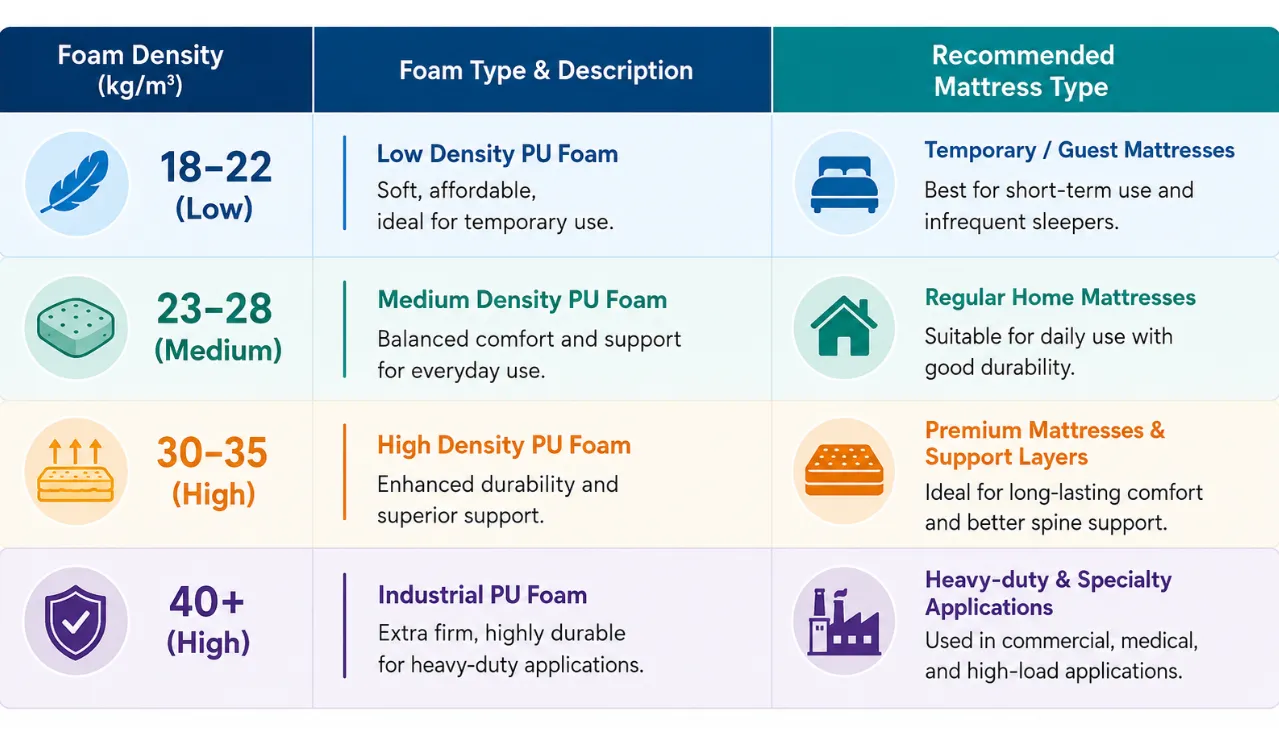
Foam Density Chart for PU Foam Mattresses
A foam density chart helps manufacturers and buyers quickly understand how different foam densities perform in real-world usage. The chart below outlines common PU foam density ranges and their typical applications in mattresses.
Factors That Affect PU Foam Density
Several factors influence the final density of polyurethane (PU) foam during the manufacturing process. The ratio of raw materials, including polyols, isocyanates, water, catalysts, and additives, plays a crucial role in determining the foam’s density and overall performance. Precise mixing, controlled chemical reactions, and proper curing conditions are equally important to achieve a uniform cell structure and consistent foam quality.
The manufacturing equipment also has a significant impact on foam density. Advanced PU foam machines ensure accurate dosing, continuous mixing, and controlled foam expansion, reducing density variations across the foam block. In addition, environmental conditions such as temperature and humidity can affect the foaming reaction and final product characteristics. By carefully controlling these factors, manufacturers can produce PU foam with the desired density, durability, comfort, and load-bearing capacity for applications such as mattresses, furniture, automotive seating, and insulation.
Why Is Foam Density Important?
The foam density of a mattress is significant since density acts differently beneath different mattress layers. Additionally, a mattress’s density can affect its price, responsiveness, toughness, and ability to isolate motion. Denser foams won’t sag much with time and are often more long-lasting than low-density foams.
Regardless, density fluctuation might result in a different sleeping experience in various mattresses depending on the kind of foam we use in various layers. By softening the layer using greater density foam, the support layer may provide otherwise impossible contouring support. The same notion also holds for a dual-comfort mattress’s base, where ultra-high-density foam supports the top layers on either side.
Conclusion
Understanding foam density in mattresses is essential for choosing or manufacturing a high-quality mattress that offers the right balance of comfort, support, and durability. While firmness determines how a mattress feels, PU foam density determines how well it performs over time. Higher-density foam generally provides better resilience, longer lifespan, and improved load-bearing capacity, making it a preferred choice for premium mattress applications.
Whether you’re comparing different mattress types or producing polyurethane foam, accurately measuring and maintaining the correct foam density ensures consistent product quality and customer satisfaction. By using reliable manufacturing equipment and following proper density measurement methods, manufacturers can produce foam that meets industry standards and delivers long-lasting performance.
If you’re looking for advanced PU foam manufacturing machines that produce consistent foam density with high precision, Santech Foam Machines offers reliable solutions for modern foam production. Our advanced foaming systems help manufacturers achieve superior quality, improved efficiency, and consistent results across every foam block.