
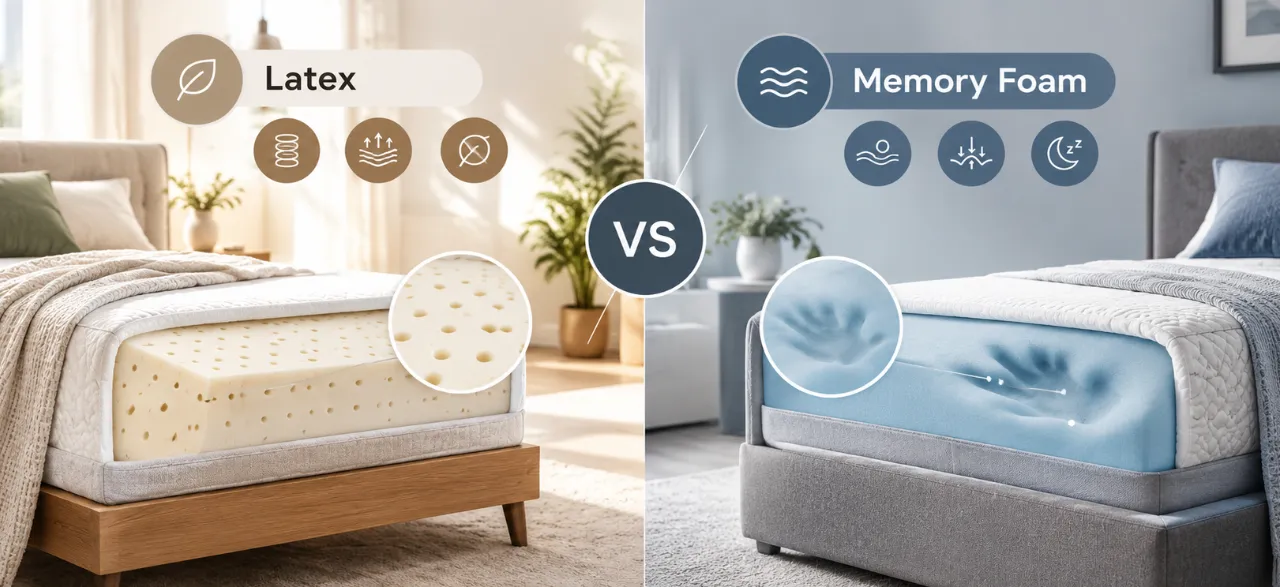


Choosing between latex vs. memory foam depends on how you sleep, how much cushioning you prefer and whether you value bounce or body contouring. Latex mattresses generally respond quickly to movement, while memory foam typically moulds more closely to the body and absorbs motion.
Latex may suit sleepers who prefer a buoyant, responsive feel, while memory foam may appeal to those who want closer contouring and less disturbance from a partner. Neither is automatically better for everyone. Compare pressure relief, temperature regulation, firmness, durability and price before choosing a mattress.
Latex vs. Memory Foam: Key Differences
Latex vs. memory foam mattresses differ in material, feel, pressure relief, motion isolation, cooling and price. The key differences below will help you compare both mattress types and choose the right option for your sleeping needs.
| Feature | Latex mattress | Memory foam mattress |
|---|---|---|
| Material | Natural rubber latex, synthetic latex or a blend | Viscoelastic polyurethane foam |
| Feel | Buoyant and responsive | Contouring and slower to recover |
| Pressure relief | Cushions with a springier feel | Conforms closely to body shape |
| Movement | Usually easier to change positions | May feel slower when turning |
| Motion isolation | Depends on mattress construction | Often absorbs movement well |
| Temperature | May feel less enveloping | Some types may retain more heat |
| Durability | Depends on latex type and construction | Depends on foam quality and construction |
| Price | Natural latex often costs more | Available across a broad price range |
Note: Mattress performance varies by material quality, foam density, layer construction and overall design. Latex mattresses are generally more responsive, while memory foam tends to contour more closely to the body. Cooling, durability, pressure relief and price depend on the specific mattress, so compare product specifications and warranty terms before buying.
Mattress comfort also depends on the type of foam used in its construction. Explore the different types of foam used in mattresses to understand how material selection influences cushioning, support and overall feel.
What Is the Difference Between Latex and Memory Foam Mattresses?
The main difference between latex and memory foam mattresses is their material composition and response to pressure.
Latex foam is produced using natural rubber latex, synthetic latex or a blend. It typically rebounds quickly after pressure is removed, creating a buoyant, responsive sensation.
Memory foam is a type of viscoelastic polyurethane foam that gradually conforms to the body’s shape and recovers more slowly. This creates a closer, more enveloping feel.
According to Healthline’s guide to choosing a mattress, mattress selection depends on factors such as sleeping position, body type and support preferences. These factors are worth considering when comparing latex and memory foam mattresses.
One important buying tip: a mattress may contain several layers, including a comfort layer, transition layer and support core. Always check the full material specifications instead of assuming that the top layer tells you everything about the mattress.
Natural Latex vs. Synthetic Latex
Natural latex is made from rubber-tree latex, while synthetic latex is produced using synthetic rubber materials. Some mattresses use blends of the two. These materials can differ in feel, manufacturing process, price and performance.
Check the manufacturer’s specifications to confirm the type of latex used. Also distinguish a mattress made with latex foam from one that combines a latex comfort layer with polyurethane foam or other materials.
Latex Foam vs. Memory Foam: Which Feels More Comfortable?
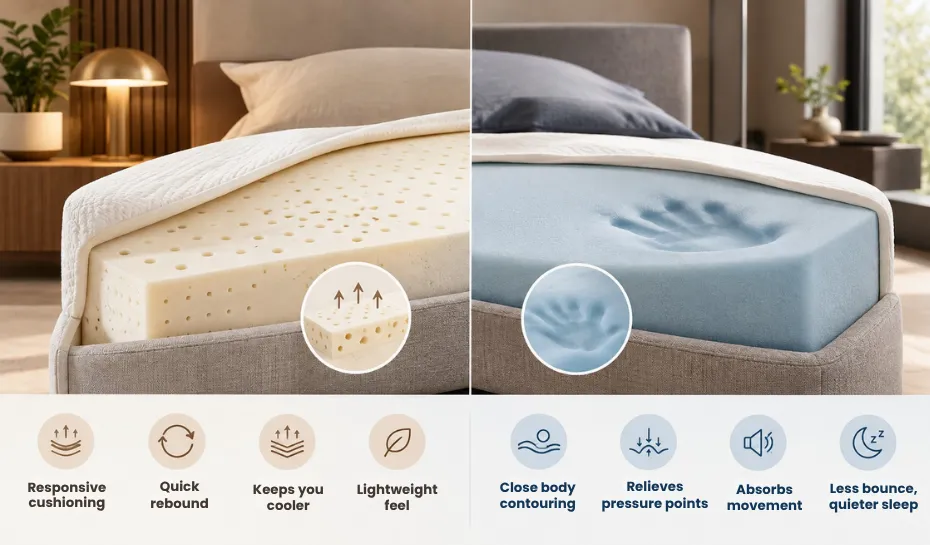
Comfort depends on how much cushioning and responsiveness you prefer.
Latex foam: Responsive cushioning
Latex generally provides a springy surface that adjusts quickly when you move. You may feel supported on the mattress rather than sinking deeply into it.
Latex may be a good starting point if you:
- Change sleeping positions frequently.
- Prefer a buoyant, responsive surface.
- Dislike the feeling of being surrounded by foam.
- Want cushioning with a quicker rebound.
However, very firm latex can still create pressure points, and softer latex may not provide enough support for every sleeper.
Memory foam: Close body contouring
Memory foam gradually moulds around the body, which can help cushion the shoulders, hips and other pressure-sensitive areas. It also generally absorbs movement effectively.
Memory foam may be worth considering if you:
- Prefer a close-fitting, cushioned sensation.
- Share a bed with a partner who moves frequently.
- Want a surface that conforms to your body.
- Prefer less bounce when moving on the mattress.
The potential downside is that deep contouring can make turning feel more difficult for some people.
Verdict: Latex is a useful starting point for responsive comfort, while memory foam is worth considering for closer contouring. Neither material guarantees better support; firmness and construction matter.
Foam properties also depend on the materials and manufacturing process used to produce them. Learn how foam is made to understand the basics of foam production and material selection.
Latex vs. Memory Foam: Which Is Better for Couples?
Memory foam often performs well at absorbing movement, which can help reduce disturbances when one partner turns or gets out of bed. Latex generally responds more quickly and may transfer some movement depending on the mattress design.
However, motion isolation depends on the entire mattress, including its comfort layers, support core and construction. Couples should also consider mattress size, firmness preferences and whether both sleepers feel adequately supported.
Best choice: Memory foam is worth considering if motion isolation is a priority. Compare individual mattress performance rather than relying on material type alone.
Latex vs. Memory Foam for Different Sleeping Positions: Which Is Better?
The best mattress material depends on your sleeping position, body weight and preferred firmness. Side sleepers may prefer cushioning around the shoulders and hips, while back and stomach sleepers should consider whether the mattress provides adequate support and prevents excessive sinking.
- Side sleepers: Memory foam may provide close contouring around pressure-sensitive areas. Softer latex can also offer cushioning with more responsiveness.
- Back sleepers: Both materials can work well when the mattress keeps the spine comfortably aligned.
- Stomach sleepers: A firmer mattress may help prevent the hips from sinking too deeply, regardless of the foam material.
- Combination sleepers: Responsive latex may make changing positions easier, while memory foam can feel more restrictive depending on its density and firmness.
Best choice: Compare firmness and overall mattress construction alongside the material to find a suitable option for your sleeping position.
Latex vs. Memory Foam: Which Mattress Sleeps Cooler?
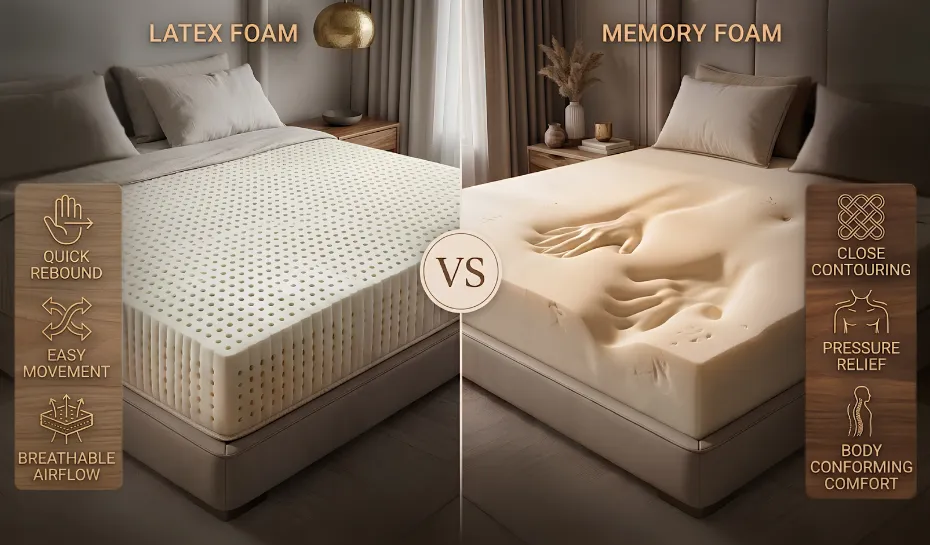
Temperature regulation is another important difference when comparing latex foam vs. memory foam. Latex often feels less enveloping because it responds quickly to pressure, while traditional memory foam may retain more heat depending on its formulation and design.
However, cooling performance also depends on the mattress cover, foam density, ventilation, comfort layers and bedroom temperature. Some memory foam mattresses include cooling materials or designs intended to improve airflow, while latex mattresses can also feel warm under certain conditions.
If you tend to sleep hot, compare the mattress’s cooling features and construction rather than relying on the material name alone.
Latex vs. Memory Foam: Which Is More Durable and Affordable?
Latex and memory foam mattresses vary in lifespan and price depending on material quality, thickness, density and construction. Natural latex mattresses often have a higher upfront cost, whereas memory foam mattresses are available across a broader range of price points.
When comparing value, consider:
- Initial cost: Compare mattresses with similar dimensions, firmness and construction.
- Expected durability: Check material specifications, warranty terms and independent reviews.
- Maintenance: Follow the manufacturer’s care instructions and use a suitable mattress foundation.
- Long-term value: Consider comfort, support and expected service life rather than choosing solely by the lowest price.
Foam density and firmness describe different properties, and understanding the distinction can help when evaluating foam materials. Read about the difference between high-density foam and memory foam to learn more about their characteristics and performance.
Best choice: Latex may appeal to buyers prioritising responsiveness and long-term value, while memory foam offers options across different budgets. Actual durability depends on the individual mattress and how it is used.
Conclusion
Choosing between latex vs. memory foam depends on your comfort preferences, sleeping position and budget. Latex mattresses generally provide a springier, more responsive feel, while memory foam offers closer body contouring and helps absorb movement. Latex may suit sleepers who prefer easier movement, whereas memory foam may appeal to those seeking cushioning around pressure points and reduced motion transfer. Compare firmness, temperature regulation, material quality, durability and price before choosing a mattress, as the best option depends on the specific product and your needs.
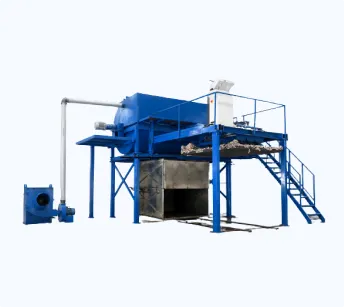
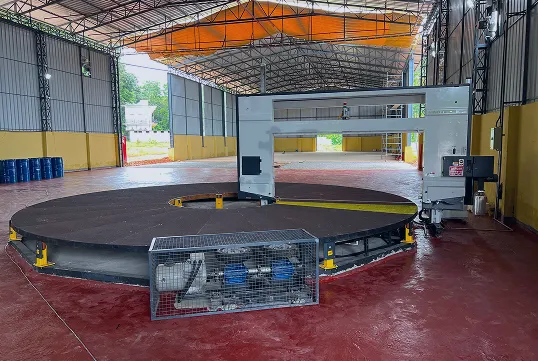
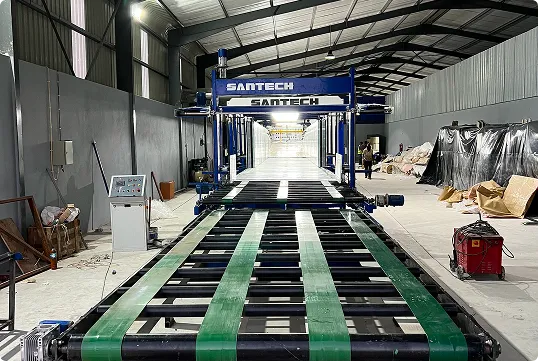
For businesses looking to produce and process foam, Santech Foam Machines is a foam machine manufacturer in India with over 28 years of industry experience. The company provides machinery for foam manufacturing and processing, supporting industrial applications where consistent foam production and cutting are important.