


Choosing the right mattress is important for comfortable sleep, proper support and long-term use. However, with so many mattress options available, buyers often struggle to decide which type is suitable for their needs.
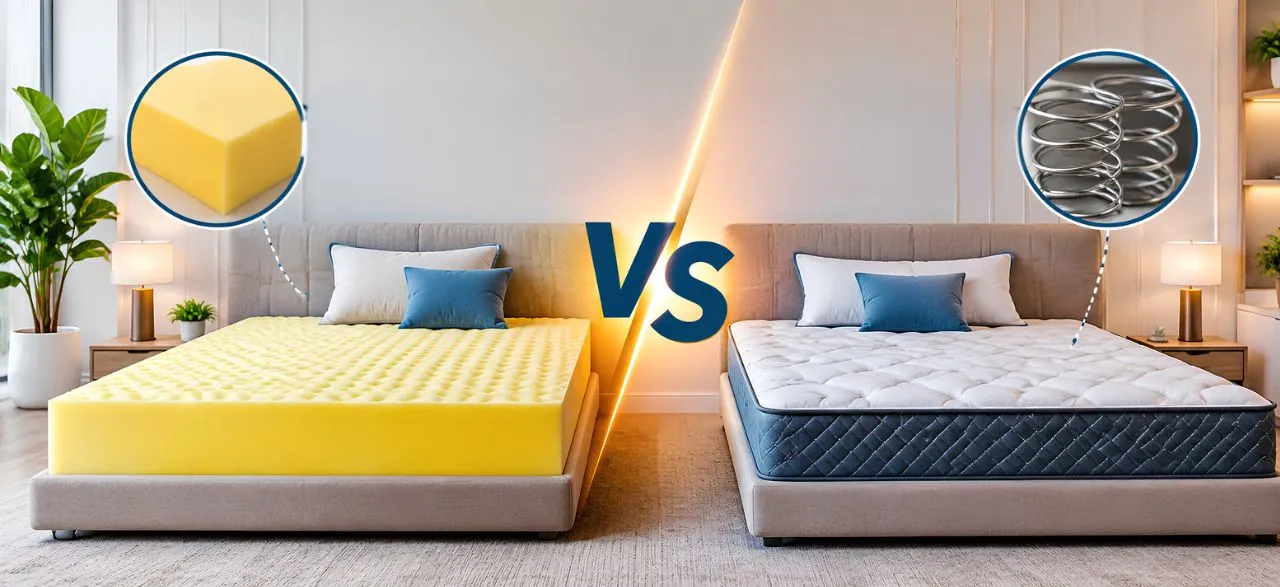
Two popular choices are foam mattresses and spring mattresses. Both offer different levels of comfort, support and durability. Foam mattresses are known for cushioning and body contouring, while spring mattresses provide bounce and better airflow.
So, which one should you choose?
In this guide, we compare the foam mattress vs spring mattress based on construction, comfort, back support, durability, maintenance and price to help you make an informed decision.
What Is a Foam Mattress?
A foam mattress is made using flexible foam materials that provide cushioning and support. Depending on its construction, it may contain polyurethane (PU) foam, memory foam, high-resilience (HR) foam or latex foam.
These materials are often combined in multiple layers to create different comfort and support levels.
Main benefits of foam mattresses:
- Body contouring: Foam adjusts to the body’s shape and distributes pressure.
- Pressure relief: Helps cushion sensitive areas such as the shoulders and hips.
- Motion isolation: Absorbs movement, making it suitable for couples.
- Different firmness options: Available in soft, medium and firm variations.
- Quiet performance: Does not produce the squeaking sounds sometimes associated with springs.
Different foam materials provide different sleeping experiences. Explore the types of foam used in mattresses to understand their characteristics and applications.
What Is a Spring Mattress?
A spring mattress uses metal coils as its primary support structure. These springs compress under body weight and return to their original position when pressure is removed.
Depending on the design, spring mattresses may use Bonnell springs, pocket springs or continuous coil systems. Additional foam and fabric layers are often included to improve comfort.
Main benefits of spring mattresses:
- Responsive support: Springs provide a bouncy sleeping surface.
- Air circulation: Spaces between the coils allow air to move through the mattress.
- Easy movement: The responsive surface makes changing sleeping positions easier.
- Different designs: Available in traditional and individually pocketed spring systems.
- Multiple price options: Available in budget and premium categories.
Spring mattresses are suitable for people who prefer a more traditional sleeping experience with noticeable bounce.
Foam Mattress vs Spring Mattress: What Are the Main Differences?
Understanding the difference between foam and spring mattress construction makes it easier to compare their comfort, support and performance.
| Comparison Factor | Foam Mattress | Spring Mattress |
|---|---|---|
| Construction | PU, memory or HR foam layers | Metal coils with cushioning layers |
| Comfort | Contouring and cushioned | Bouncy and responsive |
| Support | Depends on foam density and firmness | Depends on coil design and comfort layers |
| Pressure Relief | Generally better contouring | Depends on cushioning design |
| Motion Isolation | Usually very good | Varies by spring system |
| Airflow | Depends on foam structure | Generally better airflow |
| Noise | Usually quiet | Springs may become noisy |
| Maintenance | Relatively simple | Requires appropriate care |
| Durability | Depends on foam quality | Depends on spring and material quality |
| Best For | Pressure relief and motion isolation | Bounce and airflow |
Quick answer: Foam mattresses generally offer better body contouring and motion isolation, whereas spring mattresses provide more bounce and airflow. The best choice depends on your sleeping preferences.
Which Mattress Is Better for Back Pain?
When considering a foam mattress vs spring mattress for back pain, spinal alignment and individual comfort should be the main priorities.
A mattress that is too soft may allow the hips to sink excessively. On the other hand, an excessively firm mattress may create uncomfortable pressure around the shoulders and hips.
Foam Mattress for Back Pain
Foam mattresses can distribute body weight across the sleeping surface and cushion pressure-sensitive areas.
They may be suitable for people who:
- Prefer a mattress that adjusts to their body shape.
- Experience pressure around their hips and shoulders.
- Want reduced movement during sleep.
- Prefer a cushioned sleeping surface.
Spring Mattress for Back Pain
Spring mattresses offer responsive support through their coil systems. Pocket spring designs can also provide more independent movement and support across different areas.
They may suit people who:
- Prefer a bouncy and responsive surface.
- Change sleeping positions frequently.
- Do not like sinking deeply into a mattress.
- Prefer traditional spring-based support.
Which should you choose?
Neither mattress type is universally better for back pain. A medium-firm mattress can be a useful starting point for many adults, but comfort, body weight and sleeping position also matter. People with persistent back pain should seek appropriate medical advice.
Which Mattress Lasts Longer?
Durability depends on material quality, construction, usage and maintenance rather than simply choosing foam or springs.
A high-quality foam mattress can maintain its shape for years when manufactured with suitable foam density and formulation. However, low-quality foam may lose resilience and develop impressions with repeated use.
Spring mattresses can also last for years when they use durable coils and quality cushioning materials. Poor-quality springs may weaken, sag or become noisy over time.
Before purchasing, consider:
- Foam density and material specifications.
- Spring quality and construction.
- Mattress thickness and layer composition.
- Manufacturer warranty.
- Expected daily usage.
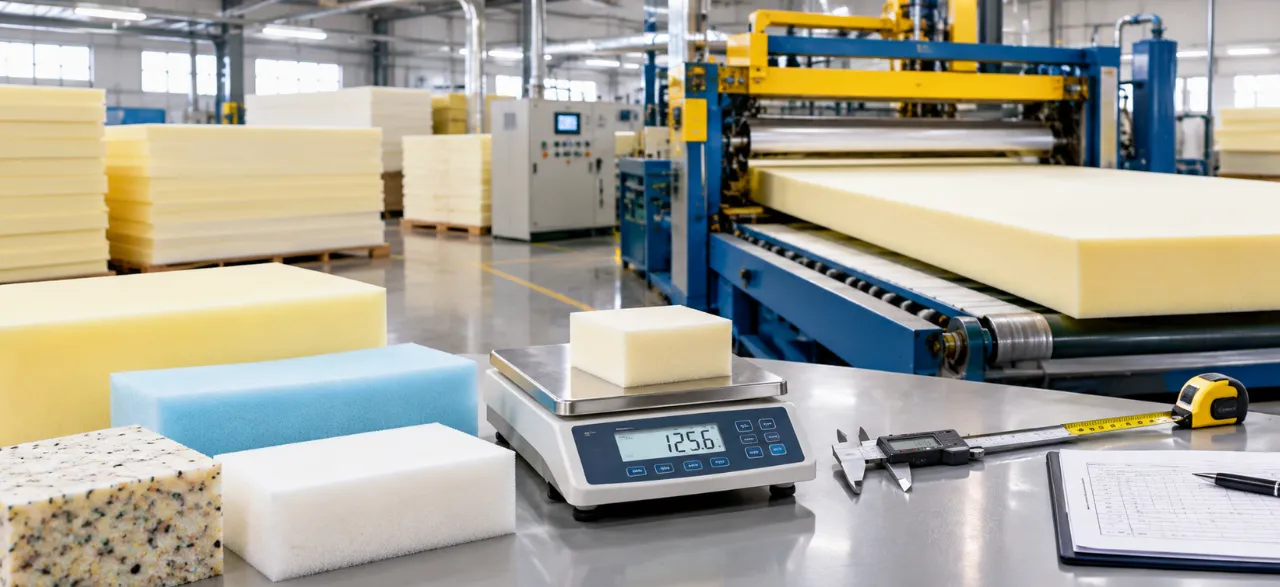
If you want to understand how foam density affects mattress performance, read our guide on how to measure foam density in mattresses.
Which Mattress Is Better for Different Sleeping Positions?
Your sleeping position can influence which mattress feels more comfortable.
| Sleeping Position | Suitable Mattress | Why? |
|---|---|---|
| Side Sleeping | Foam mattress | Can cushion shoulders and hips |
| Back Sleeping | Foam or spring | Depends on firmness and support |
| Stomach Sleeping | Firm foam or supportive spring | Helps limit excessive hip sinking |
| Combination Sleeping | Responsive foam or pocket spring | Allows easier movement |
| Couples | Foam or pocket spring | Depends on motion isolation |
The mattress should keep your body comfortably supported without excessive sinking or uncomfortable pressure.
How Does Foam Manufacturing Affect Mattress Quality?
The quality of a foam mattress depends on more than the type of foam used. Density, formulation, cell structure and manufacturing consistency also influence its final performance.
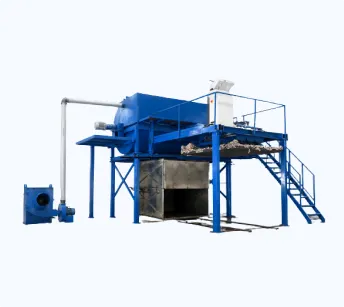
During polyurethane foam production, a foam making machine helps manufacturers process raw materials and produce foam blocks under controlled production conditions.
After production, these blocks need to be processed into sheets of specific thicknesses for mattress applications.
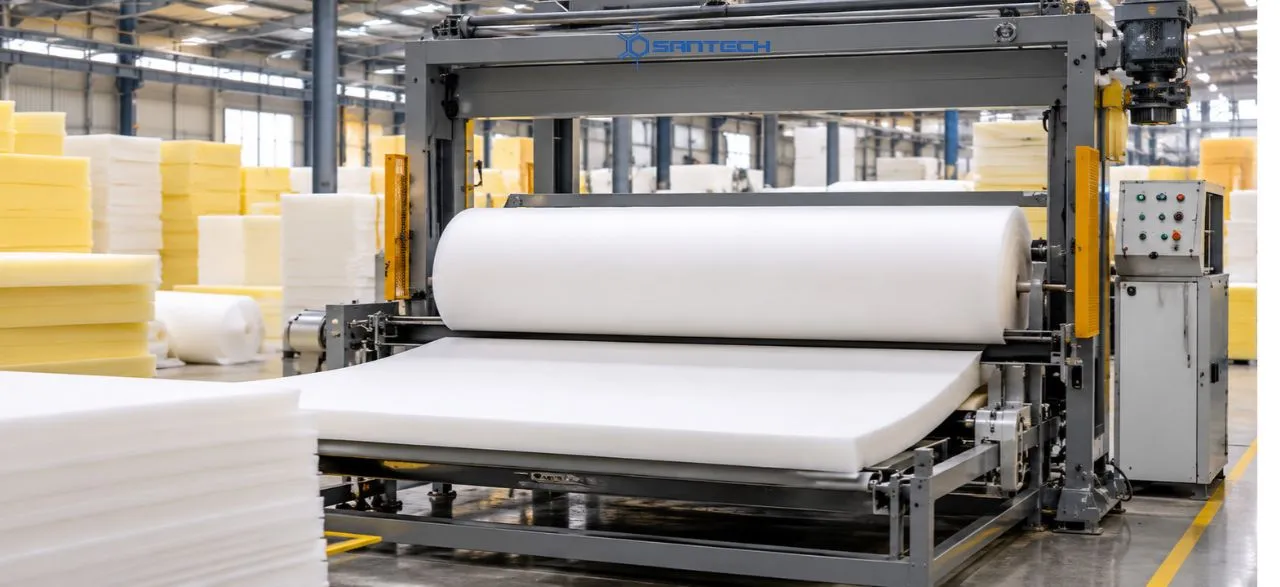
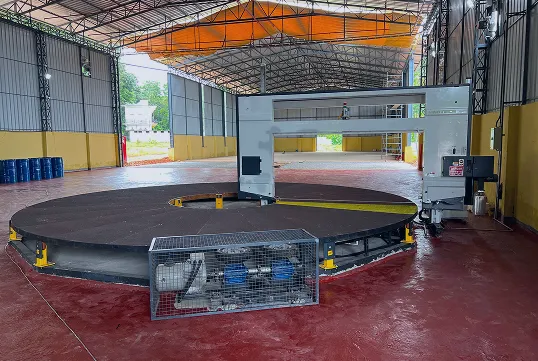
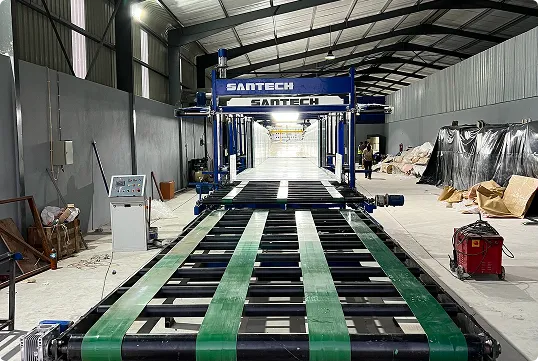
For manufacturers, accurate cutting is important because uneven foam layers can affect mattress dimensions and material utilisation. A horizontal foam cutting machine is designed to slice foam blocks into uniform sheets.
The resulting foam sheets can then be used in different mattress layers depending on the required construction and specifications.
Final Verdict: Foam or Spring Mattress – Which Is Better?
The choice between a foam mattress vs spring mattress depends on your comfort preferences, sleeping position and budget. Foam mattresses are a suitable option for body contouring, pressure relief and reduced motion transfer, while spring mattresses offer bounce, responsiveness and better airflow.
Before purchasing, compare mattress firmness, material quality, construction and warranty to find the right option for your needs.
For manufacturers, producing comfortable and durable mattresses starts with consistent foam quality and precise processing. Santech Foam Machines, an experienced foam machine manufacturer, provides advanced foam making machines and foam-cutting solutions that support efficient PU foam production and accurate foam processing for mattress applications.