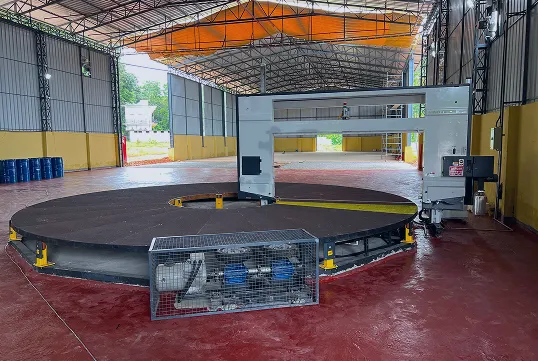
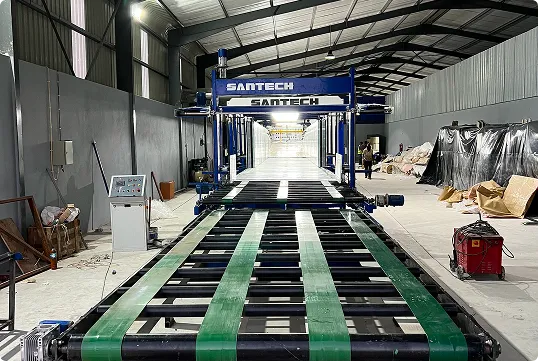
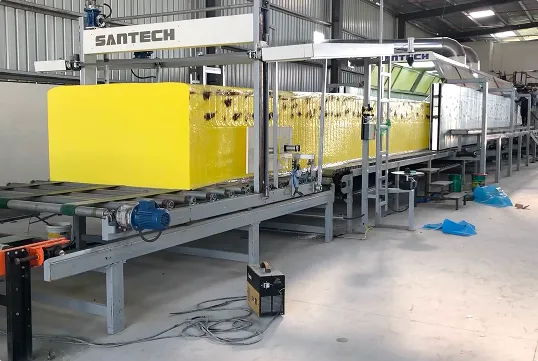
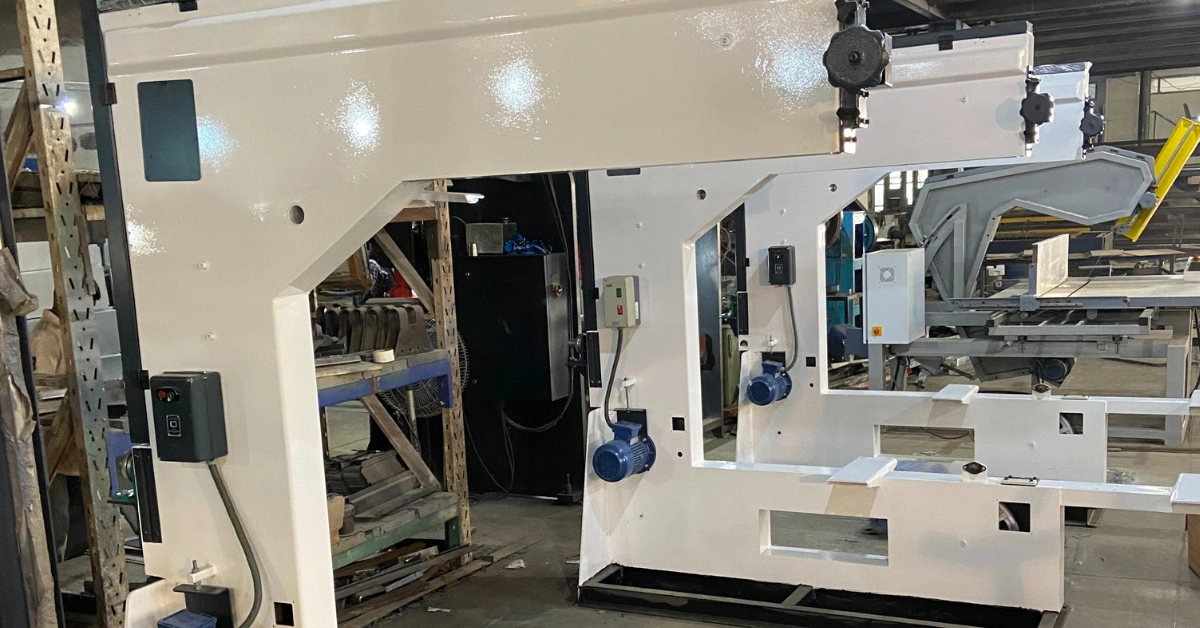


Foam cutting machine safety is essential for protecting operators, maintaining cutting accuracy, and reducing production downtime. Sharp blades, moving components, motors, and powered systems require proper guards, trained operators, correct settings, and regular maintenance. In this guide, discover the essential safety precautions, common mistakes, and maintenance practices for safer and more efficient foam cutting. Looking for a reliable foam cutting machine for your production needs? Explore Santech Foam Machines for industrial foam cutting solutions.
Why Is Foam Cutting Machine Safety Important?
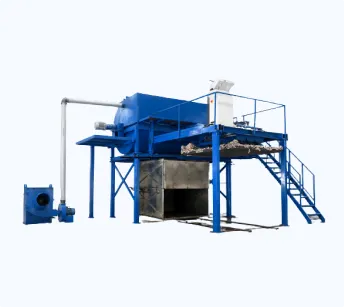
Foam cutting machines use sharp blades, moving components, motors, rollers, and powered systems to cut foam accurately and efficiently. Understanding how foam is made also provides useful context about the material being processed and why controlled production is important.
Without proper safety measures, incorrect operation, poor maintenance, or untrained handling can increase the risk of cuts, unexpected machine movement, equipment damage, and production downtime.
Following foam cutting machine safety practices helps protect operators, maintain consistent cutting accuracy, and keep equipment operating reliably. Safety measures such as using protective equipment, keeping blade guards in place, checking machine settings, maintaining a clean work area, and inspecting emergency stops should be part of routine operation.
For manufacturers using foam cutting equipment in regular production, prioritising safety also helps reduce avoidable breakdowns and supports more efficient operations.
General Components of Foam Cutting Machines
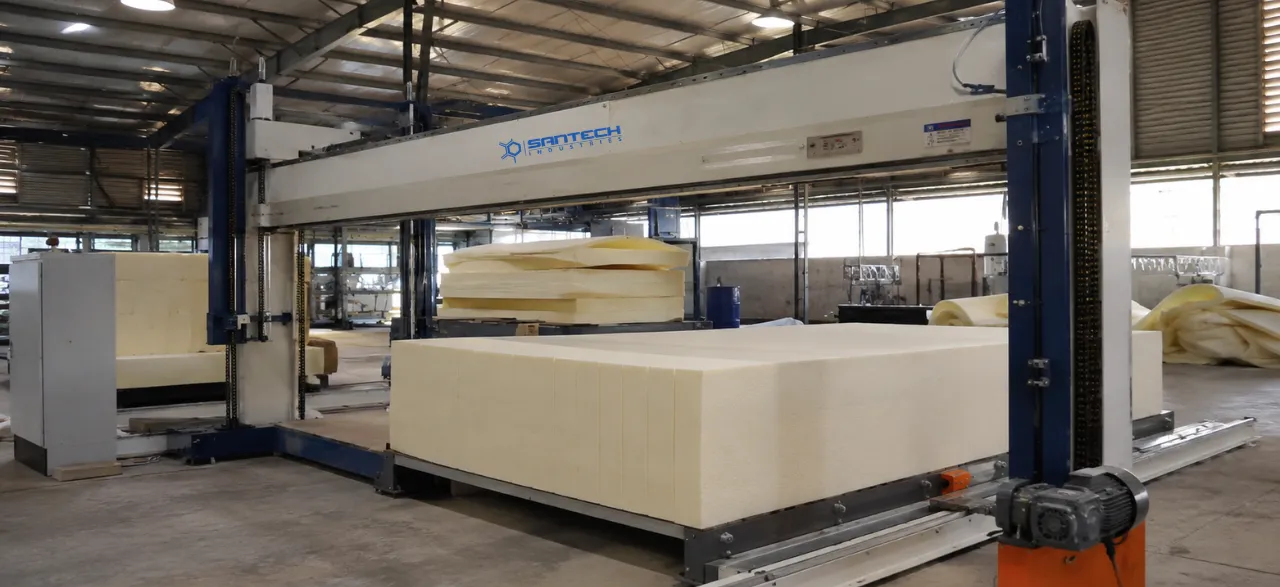
It is essential to understand the main components of foam cutting machines for both safe operation and consistent cutting performance. Each component performs a specific function, from guiding the blade and moving the foam to maintaining accurate settings and supporting the workpiece. Operators should also understand the characteristics of the material being processed, including the different types of foam used in mattresses, as foam type can influence cutting requirements. Regular inspection of machine components can also help identify loose parts, unusual movement, wear, or other issues before operation.
| Component | Function | Safety & Performance Importance |
|---|---|---|
| Blade Frame | Holds and guides the cutting blade during operation. | A properly maintained frame helps keep the blade stable and reduces the risk of unexpected movement. |
| Heavy-Duty Blade | Cuts through foam blocks according to the required dimensions. | The blade must be handled carefully and properly maintained to support clean, controlled cuts. |
| Electrical Grinding Unit | Sharpens the blade to maintain effective cutting performance. | Guards and protective measures are important when the grinding unit is operating. |
| AC Servo Motor | Controls the movement of the cutting blade and machine table. | Proper servicing helps prevent irregular movement, overheating, and inconsistent cutting. |
| Motorised Pressure Roller | Holds the foam block securely during the cutting process. | Proper alignment helps prevent foam movement, inaccurate cuts, and potential operating hazards. |
| Motorised Table | Moves or supports the foam block during cutting. | Correct alignment and a clean surface help prevent jamming and misalignment. |
| Touch Screen Display | Allows operators to control machine settings and functions. | Correct settings and careful operation help prevent unintended machine movement or cutting errors. |
| Adjustable Side Support System | Keeps the foam positioned securely during cutting. | Proper positioning reduces foam movement and helps maintain accurate, consistent cuts. |
What Common Mistakes Can Cause Foam Cutting Machine Accidents?
Even experienced operators can make mistakes that increase the risk of accidents when using foam cutting machines. Poor operating practices, inadequate training, and neglected maintenance can affect both operator safety and machine performance. Common mistakes include:
- Failing to wear proper protective equipment: Operating without suitable gloves, safety glasses, or safety shoes can increase the risk of injury.
- Leaving foam scraps or tools on the cutting table: Objects left on or around the work area can interfere with machine movement and create hazards.
- Ignoring unusual sounds or vibrations: Unusual noise, vibration, or movement can indicate a potential machine problem that requires inspection.
- Operating without safety guards or interlocks: Safety guards and interlocks should be in place and functional before the machine is operated.
- Running the machine at maximum speed without proper adjustment: Incorrect speed or machine settings can affect cutting control and increase operational risks.
- Allowing untrained operators to use the machine: Operators should receive proper training on both machine operation and safety procedures.
- Skipping regular maintenance inspections: Neglecting inspections can allow worn or faulty components to develop into larger safety or performance issues.
These mistakes can often be reduced through proper operator training, routine inspections, and consistent safety practices. Simple preventive habits can help create a safer working environment while supporting reliable and efficient foam cutting operations.
Essential Guidelines for Using Foam Cutting Equipment
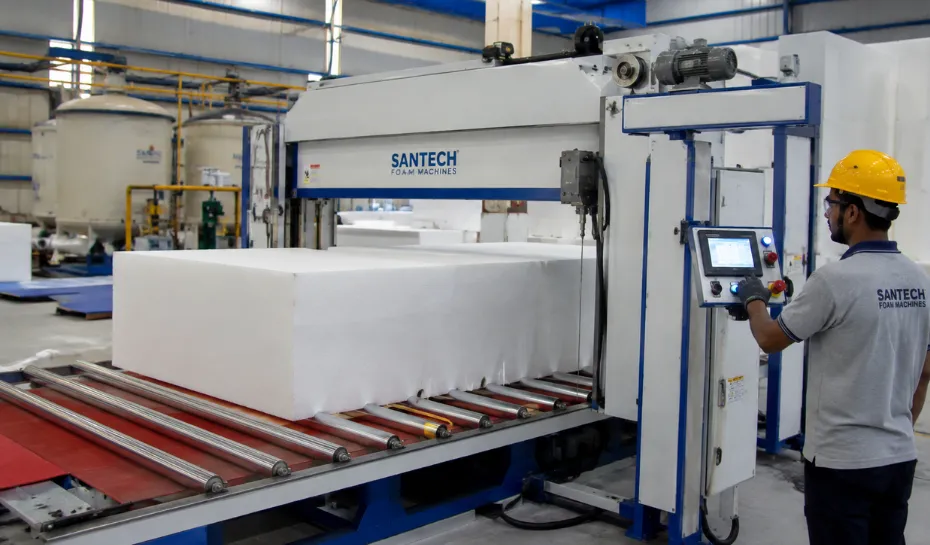
1. Wear Proper Protective Equipment
Operators should always wear gloves, goggles, and safety shoes. This minimises the chances of cuts and particles flying in the face.
2. Ensure Blade Guard is in Place
Never operate the machine without a locked blade guard. It protects against accidental touch with the cutting blade.
3. Check Machine Settings Prior to Use
Before operating the machine, make sure speed, pressure, and blade height are all adjusted correctly. Incorrect adjustments could lead to deep cuts or accidents.
4. Keep Work Area Clean
Always remove foam remains or tools from the table and the surrounding area. A clean work surface reduces the risk of slipping or jamming.
5. Never Miss Emergency Stop Button
Ensure the emergency stop button is in good working condition and easily accessible. It can stop the machine immediately in case of an emergency.
6. Prevent Loose Clothing or Accessories
Loose accessories or clothing can be caught in moving parts, leading to serious injuries. Operators must wear fitted clothes when operating the machines.
7. Train Operators Regularly
All machine operators must be trained in safety protocols as well as machine operation. This reduces human errors and increases productivity.
By following these guidelines, the machinery and operators will remain protected. It also ensures your foam peeling machines in India last longer and experience fewer trouble-free days on a daily basis.
What Preventive Maintenance Practices Improve Machine Safety?
| Maintenance Practice | What to Check or Do | Safety & Performance Benefit |
|---|---|---|
| Clean Blades and Grinding Units | Remove foam residue and buildup after use and inspect for signs of wear or damage. | Supports clean cutting performance and helps identify potential problems early. |
| Lubricate Moving Components | Lubricate moving parts according to the manufacturer’s recommended maintenance schedule. | Reduces friction, component wear, and unnecessary mechanical strain. |
| Inspect Bolts, Screws, and Safety Covers | Check that bolts, screws, and protective covers are secure and correctly positioned. | Helps maintain machine stability and reduces avoidable operating risks. |
| Check the AC Servo Motor | Inspect for overheating, unusual operation, or visible signs of wear. | Helps prevent unexpected breakdowns and supports smooth machine movement. |
| Test Emergency Stops and Limit Switches | Regularly test emergency stop buttons and limit switches to confirm they function correctly. | Ensures important safety controls remain accessible and operational when needed. |
| Replace Worn Components | Inspect blades, belts, rollers, and other wear-prone components and replace damaged parts. | Helps maintain safe operation, cutting accuracy, and reliable machine performance. |
| Maintain Maintenance Records | Record inspections, repairs, replacements, and other maintenance activities. | Helps track machine condition and ensures important maintenance tasks are not overlooked. |
Conclusion
Foam cutting machine safety is essential for protecting operators, maintaining cutting accuracy, and reducing unexpected downtime. Proper training, functional safety guards, correct machine settings, regular inspections, and preventive maintenance help ensure safer and more reliable foam cutting operations.
For businesses looking for reliable foam cutting machines in India and advanced foam making machines, Santech Foam Machines provides high-performance foam processing equipment designed for efficient and safety-conscious production. Explore Santech Foam Machines for dependable industrial foam solutions tailored to your production requirements.