

Foam production is a fascinating blend of chemistry, engineering, and accuracy. The majority of the manufacturers start with batch foaming machines, thereby enjoying flexibility and control over each batch. Still, as businesses continue to grow and the demand rises, the main question that often comes up in the discussion is, “Is it the right time to switch from batch to continuous foaming?”
Well, developing an understanding of this shift will help in saving costs, boosting efficiency, and ensuring uniform product quality.
Understanding Batch Foaming Machines
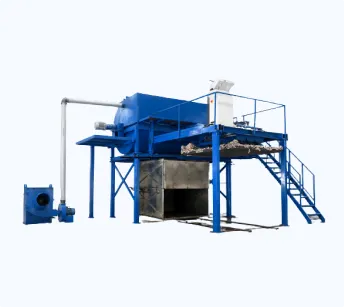
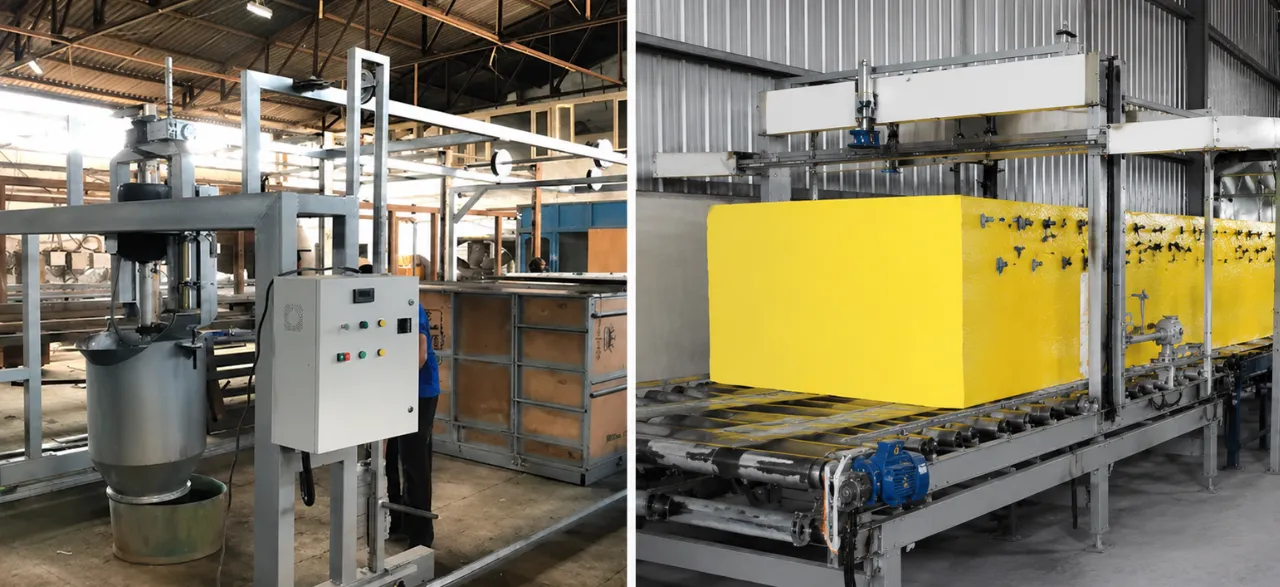
Batch foaming machines function by processing foam in individual and pre-set quantities. Each batch adheres to a series of steps that includes mixing raw materials in a chamber, allowing the foam to expand and cure before it is removed.
This method offers hassle-free control over density, formulation, and shape, which makes it a suitable choice for customised products or small-scale runs.
Here, flexibility is one of the biggest benefits. Manufacturers can easily change mixing times, temperatures, and pressure for each batch, thereby ensuring that they cater to different foam specifications without major downtime.
But the process can be labor-intensive and time-consuming. Though automation helps, every batch needs proper preparation and monitoring, which limits the throughput as production demand increases.
The Appeal of Continuous Foaming Machines
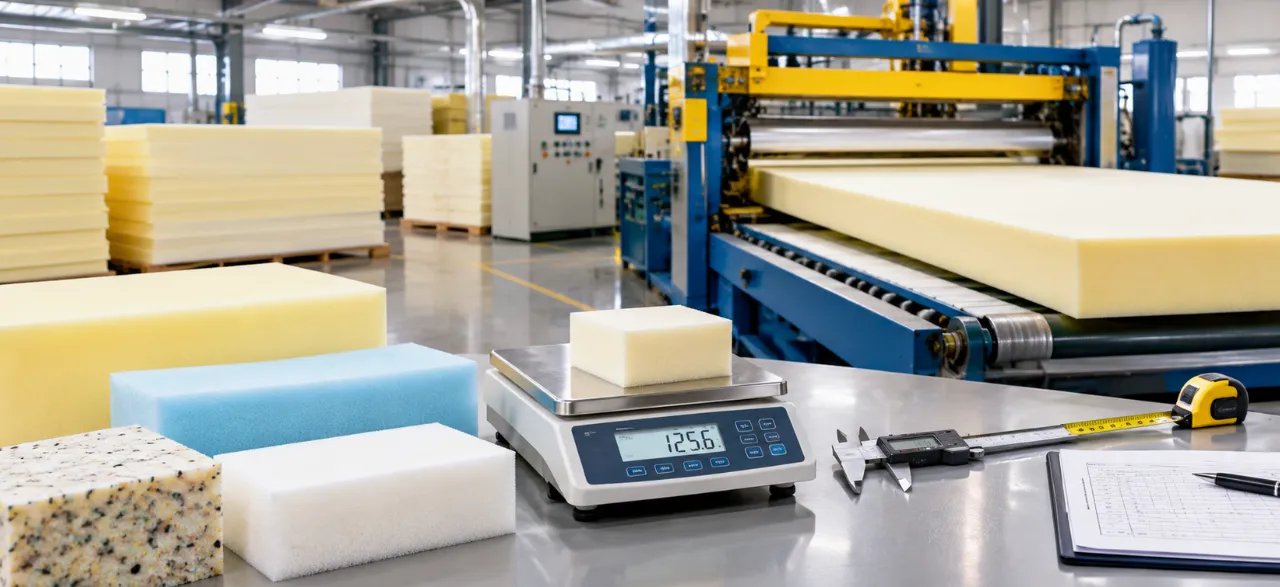
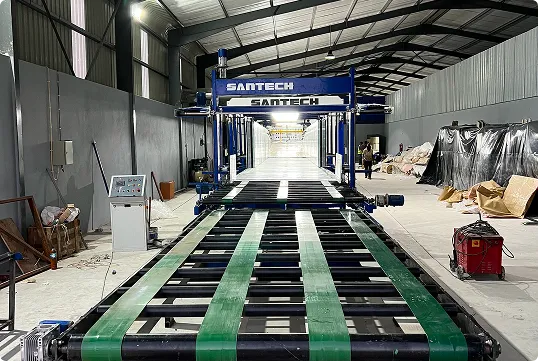
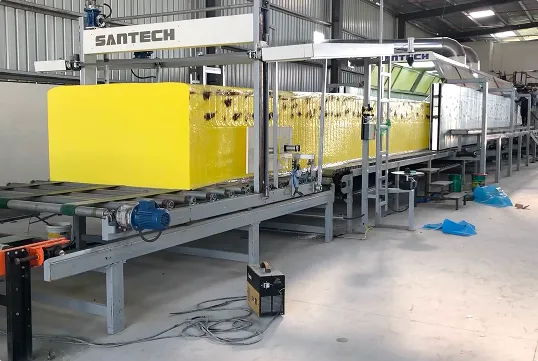
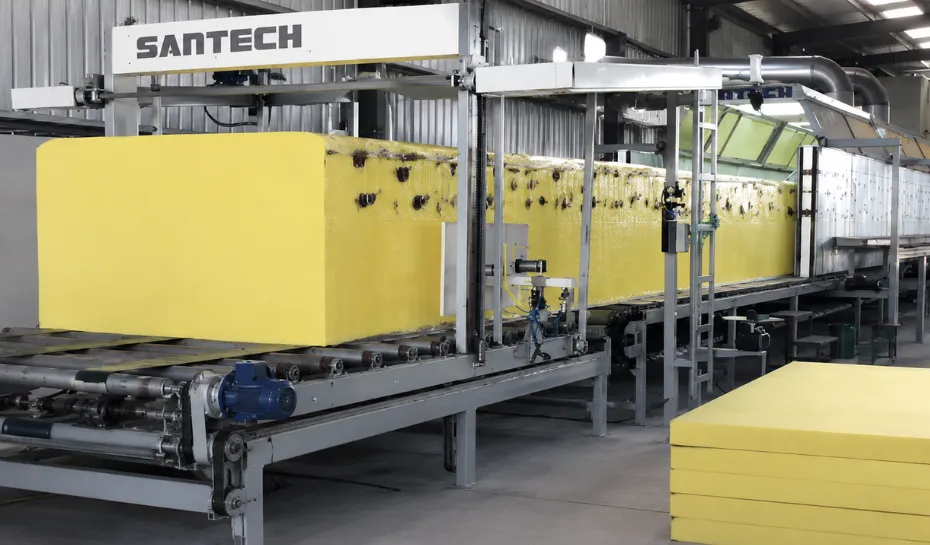
Compared to traditional batch systems, continuous foaming machines help in creating foam nonstop. This means that the raw materials are continuously fed, mixed, and deposited, which further helps in producing a uniform foam profile, like sheets and panels. This method is ideal for large-scale production where uniformity is the key.
Additionally, continuous foaming machines provide faster output, which in turn leads to reduced labor costs due to an uninterrupted process. Integrated controls help in the proper management of chemical dosing, temperatures, and flow rates with accuracy, ensuring accuracy in every metre of foam. Leading industrial sectors like furniture, bedding, and insulation prefer continuous systems for high-volume manufacturing.
You must be wondering about its disadvantages. Continuous machines demand a higher degree of initial investment and are less adaptable to product variation. Any kind of changes in foam density or thickness require recalibration, and that can slow down the production process on a temporary basis.
Essential Signs Signalling Towards an Upgrade
The decision to move from batch to continuous foaming includes analysing production goals, costs, and production consistency needs. Listed below are the indicators pressing the need for an upgrade:
- Consistency Requirements: When slight variations between batches affect the overall quality of a product.
- High Demand Volumes: If the batch cycles cannot meet the order quantities efficiently.
- Labour Optimisation: Continuous machines reduce manual handling and other associated errors.
Manufacturers who are aiming for growth, especially in the competitive markets, are of the opinion that continuous systems provide the scalability and reliability they need.
Production Capacity and Growth
Batch foaming machines are well-suited for low to medium production volumes, as each batch is processed individually. On the contrary, continuous foaming machines excel in meeting the demands of high-volume scenarios. These machines help in maintaining a regular workflow, reducing cycle time and labour while meeting strict delivery schedules.
Batch systems that are scaling generally consist of adding more units, which in turn offers variety in product lines. Scaling continuous systems is more capital-intensive, needing faster conveyors or additional processing stages.
Operational Costs and Maintenance
Maintenance is also an important factor. Batch machines allow for inspection and cleaning between cycles, though labor costs can be very high. On the other hand, continuous foaming machines function for extended periods, requiring preventive maintenance to avoid costly downtime.
Various components, including mixers, pumps, and heaters, undergo constant wear, therefore demanding skilled technicians and careful planning.
In fact, energy consumption, raw material usage, and operational efficiency all favour continuous foaming systems for their long-term high-volume production.
Wrapping Up
Transitioning from batch to continuous foaming is a well-planned move for the growing manufacturers. With careful assessment of demand, uniformity, and operational efficiency, businesses can easily make an informed decision.
Companies like Santech Foam Machines offer advanced solutions that are tailored for both batch and continuous operations, helping manufacturers in India to achieve higher productivity, accuracy, and quality in foam production.