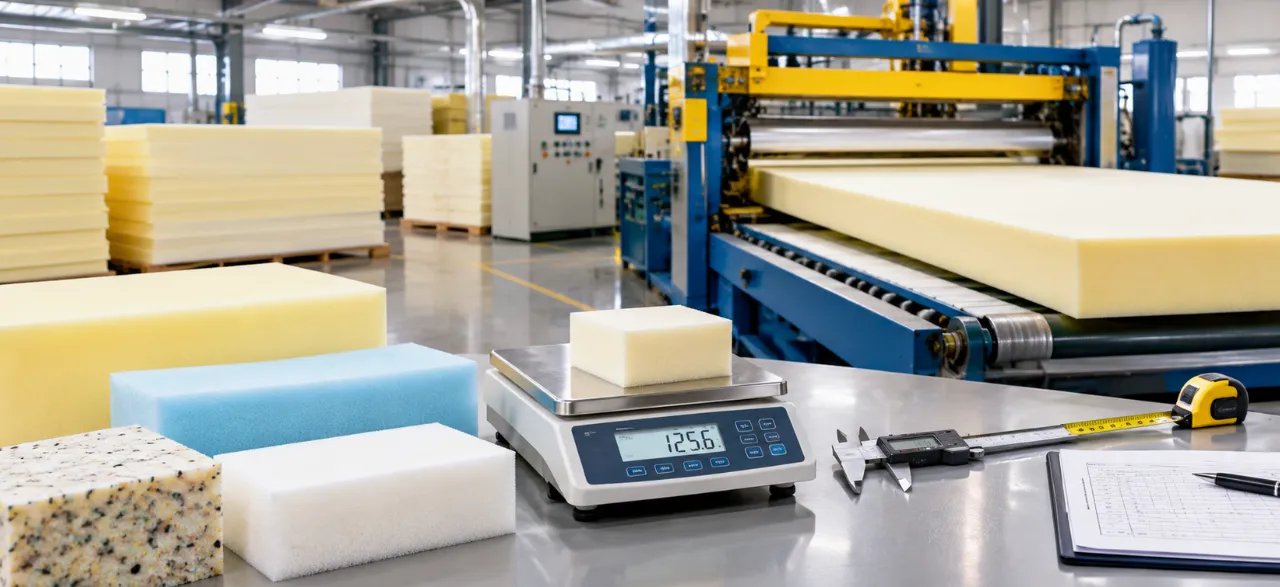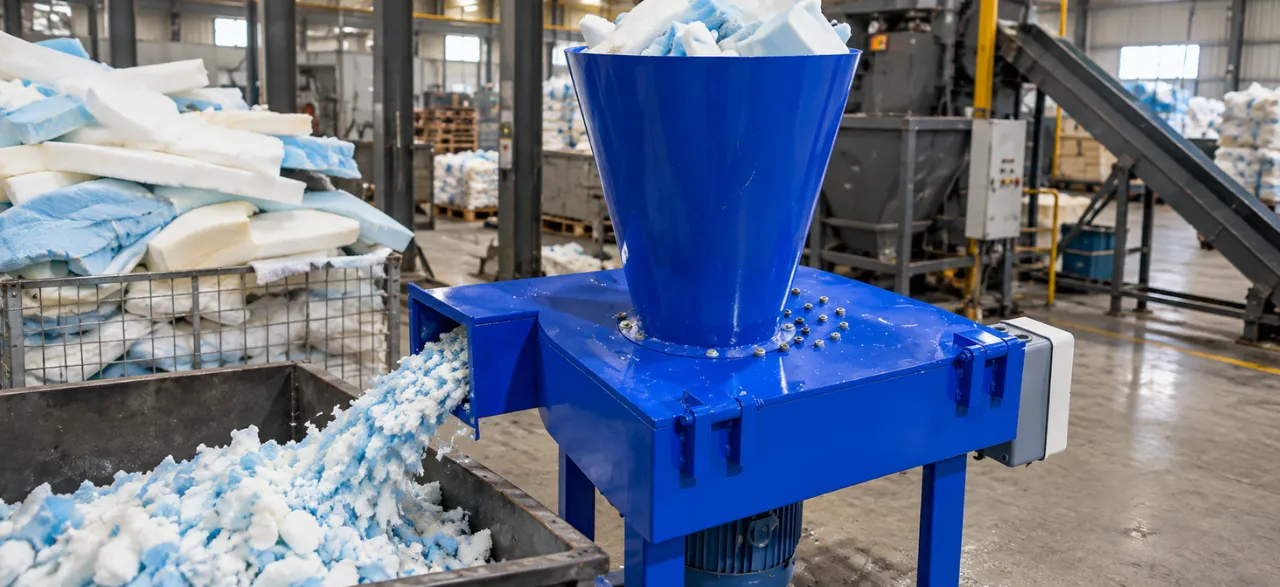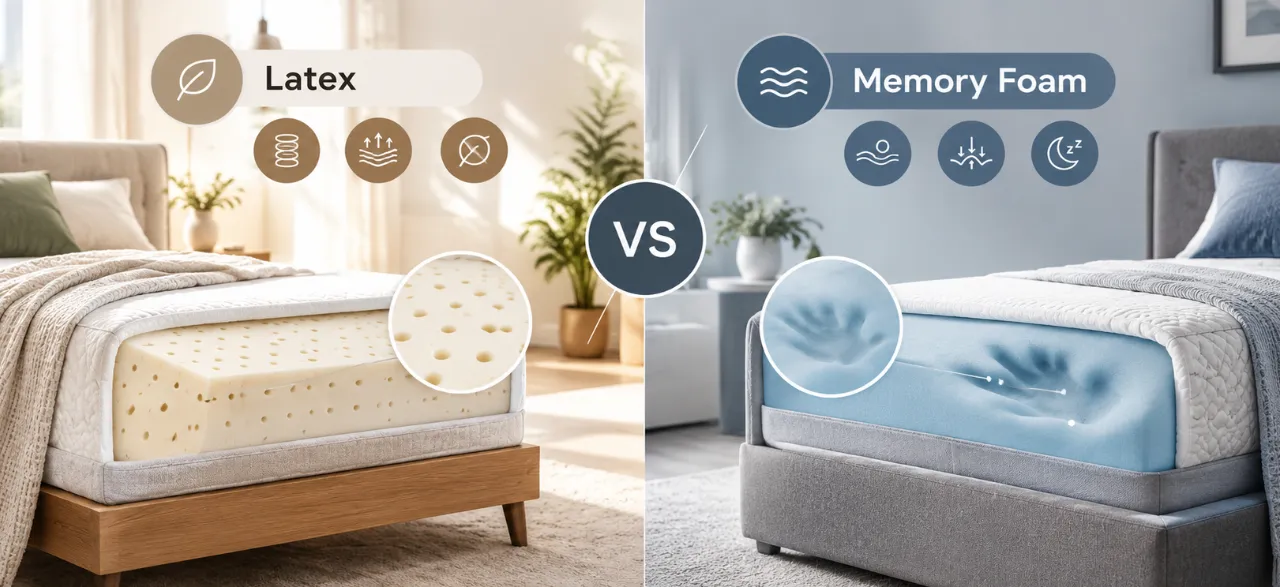


Foam-making chemicals are the key raw materials used in Polyurethane Foam Production that determine the quality, density, flexibility, and durability of PU foam. The main chemicals used in PU foam manufacturing include polyols, isocyanates, blowing agents, catalysts, surfactants, and additives, with each component playing an important role in foam formation and performance.
Polyurethane foam is widely used in mattresses, furniture, automotive seating, insulation, packaging, and industrial applications. However, producing consistent high-quality foam requires accurate chemical formulations, controlled processing, and advanced foam production equipment.
This guide explains the chemicals used in PU foam manufacturing, their functions, and how the right chemical balance affects foam properties. Learn how the polyurethane foam production process works and how selecting the right chemicals and machinery helps manufacturers achieve better foam quality, efficiency, and reliable production results.
Understanding Foam-Making Chemicals
Foam-making chemicals are the raw ingredients used to produce polyurethane foam. The main chemicals include polyols, isocyanates, blowing agents, catalysts, surfactants, and additives.
Each chemical performs a specific function and directly influences the properties of the final foam. Some chemicals form the polyurethane structure, others help the foam expand, while some regulate the reaction speed or improve softness, firmness, fire resistance, colour, and durability.
Understanding how foam is made begins with understanding how these chemicals work together during the foam generation process. Their precise interaction creates the cellular structure that gives polyurethane foam its strength, flexibility, comfort, and long-lasting performance.
This is why foam manufacturing requires the right formulation, precise dosing, proper mixing, and controlled processing to produce consistent, high-quality foam.
How Polyurethane Foam Is Made (Chemical Reaction Process)
Polyurethane foam is produced through a controlled chemical reaction where multiple foam-making chemicals work together to create a durable cellular structure. The table below explains the key stages of the foam generation process, from raw material preparation to the finished foam product.
| Step | Process | What Happens |
|---|---|---|
| 1 | Raw Material Preparation | Polyols, isocyanates, blowing agents, catalysts, surfactants, and additives are measured in precise quantities. |
| 2 | Chemical Mixing | All foam-making chemicals are mixed thoroughly to create a uniform chemical blend. |
| 3 | Chemical Reaction | Polyols react with isocyanates to form polyurethane, while water reacts with isocyanates to release carbon dioxide (CO₂) gas. |
| 4 | Foam Expansion | The CO₂ gas creates millions of tiny bubbles, causing the mixture to expand and form a cellular foam structure. |
| 5 | Foam Rise & Stabilization | Surfactants stabilize the foam cells, and catalysts control the reaction speed to ensure uniform foam growth. |
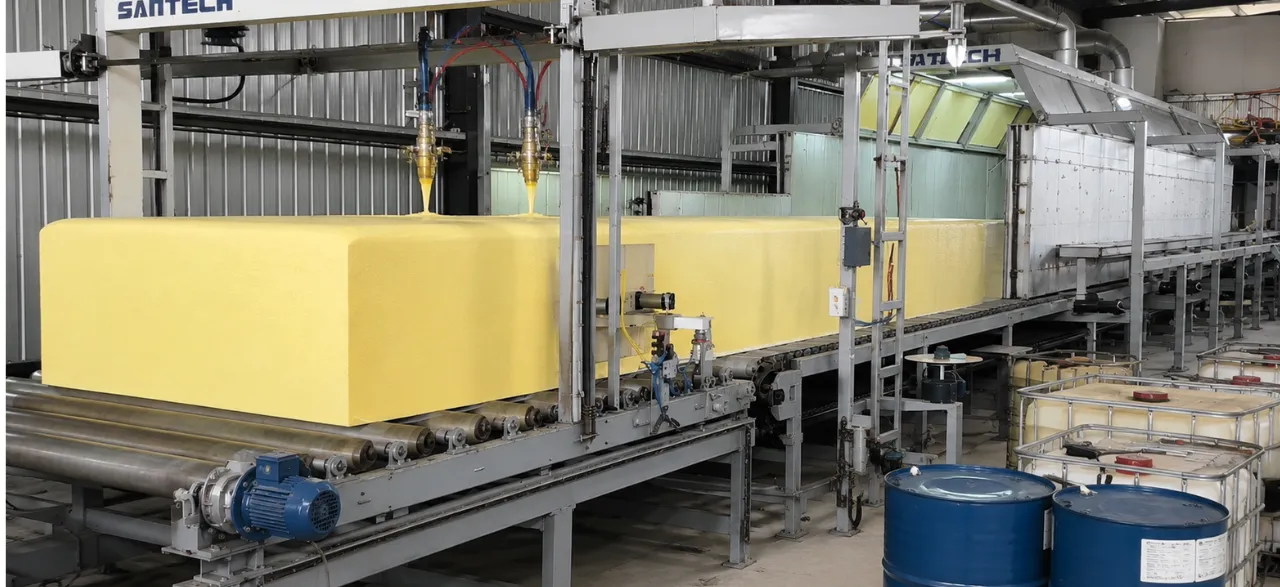
| 6 | Curing & Cutting | The foam hardens, cools, and is cut into blocks or sheets for use in mattresses, furniture, automotive components, packaging, and other applications. |
Main Raw Materials Used in Foam Manufacturing
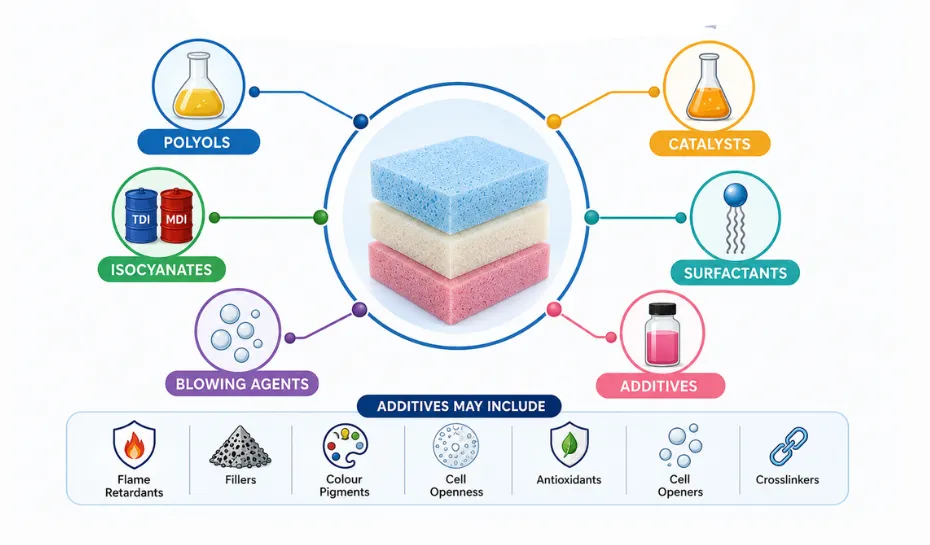
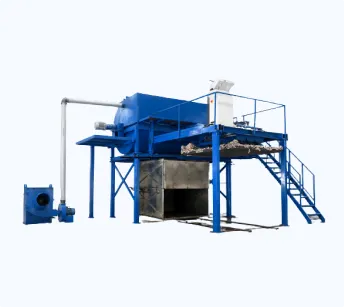
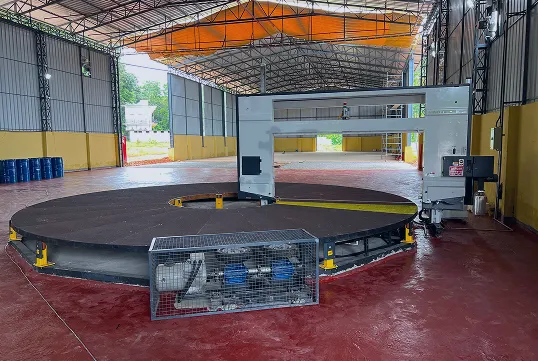
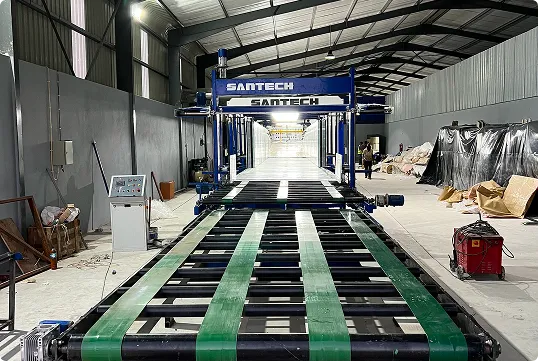
The raw materials used in foam manufacturing largely depend on the type of foam being produced. Flexible foam, rigid foam, memory foam, rebonded foam, and moulded foam all use different chemical formulations. To achieve consistent mixing and accurate dosing of these chemicals, manufacturers rely on a PU foam machine that ensures precise processing and uniform foam quality throughout production.
Polyols
They are one of the main base materials used in PU foam. Polyols react with isocyanates to form the main polyurethane structure.
Polyols play a major role in deciding how soft, flexible, elastic, or firm the foam will be. Well, different varieties of polyols can be used depending on the final application. For instance, mattress foam, sofa foam, automotive seating foam, and insulation foam all will need different polyol blends.
Moreover, polyols play an important role in ensuring comfort, strengthening resilience, enhancing load-bearing capacity, and providing long-term foam performance.
Isocyanates
They are the second important complement in PU foam production. When isocyanates react with polyols, they help in creating the polyurethane polymer.
The most common varieties of isocyanates in foam production include TDI and MDI. While TDI is often used in flexible foam, MDI, on the other hand, is extensively used in rigid foam, modulded foam, and some specialised applications.
Isocyanates form the main backbone of the foam. The ratio between polyol and isocyanate should be carefully regulated and controlled. Even a small imbalance can impact the foam rise, strength, curing, and final quality.
Blowing Agents
Blowing agents are mainly responsible for creating the cellular structure of foam. Without them, the material will not expand into foam.
In the majority of the PU foam systems, water acts as a chemical blowing agent. It reacts with isocyanate and releases carbon dioxide gas. This gas then creates bubbles inside the mixture, which enables the foam to rise.
Physical blowing agents can also be used in some foam types, especially where insulation performance or special density control is needed.
Blow agents directly influence foam density, cell size, insulation value, and overall structure.
Catalysts
Catalysts are responsible for controlling the speed of the foam reaction. They ensure that the chemical reaction happens at the right place.
There are different types of catalysts used in foam production. Some offer support to the reaction between polyols and isocyanates, while others support the blowing agents that help the foam to rise.
In case the reaction is too fast, the foam will either collapse or become uneven, and if it is too slow, the foam may not rise or cure properly. This is why catalysts are important, as they help in maintaining uniformity during the foam generation process.
Surfactants
Surfactants help in establishing the bubbles that are formed during the process of foam production. They not only control cell formation but also help in preventing the foam from collapsing when it rises.
In addition, they also help in creating uniform cells, smooth texture, and better foam structure.
Silicone surfactants are primarily used in polyurethane foam production. They can easily influence softness, breathability, cell openness, and surface finish.
Additives
Additives are used to improve the specific properties of foam. Well, they are not always used in the same quantity or combination. But their use largely depends on the application and performance requirements.
Common additives may include the following:
- Flame retardants
- Fillers
- Colour pigments
- Cell openness
- Antioxidants
- Cell openers
- Crosslinkers
Role of Foam-Making Chemicals
| Chemical | Primary Function | Impact on Foam Quality |
|---|---|---|
| Polyols | Forms the main polyurethane structure. | Determines softness, flexibility, resilience, and load-bearing capacity. |
| Isocyanates | Reacts with polyols to create the polyurethane polymer. | Provides strength, durability, and structural stability. |
| Blowing Agents | Generates gas that expands the foam. | Controls foam density, cell size, and insulation performance. |
| Catalysts | Controls the speed of the chemical reaction. | Ensures uniform foam rise, curing, and production consistency. |
| Surfactants | Stabilizes foam cells during expansion. | Improves cell uniformity, surface finish, and foam stability. |
| Additives | Enhances specific performance characteristics. | Improves fire resistance, color, durability, oxidation resistance, and other application-specific properties. |
Why is Chemical Balance Important in Foam Production?
In foam manufacturing, the right chemical balance is everything. The same basic ingredients can produce very different results when their ratios change.
A small change in formulation can affect:
- Foam density
- Firmness
- Softness
- Cell structure
- Recovery
- Durability
- Comfort
- Fire performance
- Processing stability
This is why foam manufacturers rely on a foam making machine that delivers accurate chemical dosing, uniform mixing, and consistent process control. Along with the right chemical formulation, a precision foam making machine ensures stable foam production, minimizes defects, and helps achieve consistent foam quality in every production cycle
Wrapping Up
Polyurethane foam production depends on the accurate combination of chemicals and process control. Polyols and isocyanates form the main structure, while blowing agents, catalysts, surfactants, and additives shape the final foam quality.
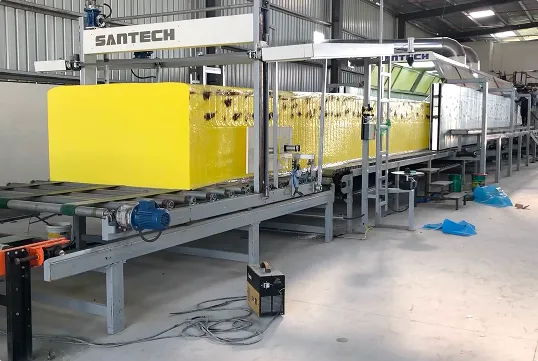
Understanding the use of raw materials in foam manufacturing makes it easier to see why reliable machinery matters so much. The right equipment, including a continuous foaming machine, helps maintain consistent chemical mixing, uniform foam density, reduced production defects, and improved overall foam quality.
For manufacturers looking to improve foam quality and production efficiency, Santech Foam Machines provides advanced continuous foaming machines and other foam machinery solutions designed to deliver precise, stable, and high-performance polyurethane foam manufacturing.