

Setting up a foam manufacturing plant typically costs between ₹40 lakh and ₹5 crore or more, depending on production capacity, automation level, machinery, factory infrastructure, and the type of foam you plan to manufacture. While many businesses focus on the price of a foaming machine, the total investment also includes foam cutting machines, chemical storage systems, utilities, installation, safety equipment, raw materials, and working capital.
Whether you’re manufacturing foam for mattresses, furniture, packaging, or automotive applications, understanding the complete foam manufacturing plant cost is essential before making any investment. Choosing the right production line and partnering with experienced PU foaming machine manufacturers and reliable foam machine manufacturers in India can help improve production efficiency, maintain consistent foam quality, and reduce long-term operating costs.
In this guide, you’ll learn the estimated cost of setting up a foam manufacturing plant, the factors that influence your budget, machinery requirements, and practical tips to help you plan a profitable and scalable foam production business.
Estimated Foam Manufacturing Plant Cost
Mentioned below is a table that offers a comprehensive view of the investment that is needed at different production levels.
The following table provides a broad overview of the investment required at different production levels.
| Plant Category | Typical Configuration | Indicative Setup Cost |
|---|---|---|
| Small-scale Unit | Batch or box foaming with basic cutting equipment | ₹40 lakh to ₹1.5 crore |
| Medium-scale Plant | Semi-automatic foaming, chemical dosing, and multiple cutting machines | ₹1.5 crore to ₹5 crore |
| Large-scale Plant | Continuous foaming line with automated handling and advanced cutting | ₹5 crore and more |
The cost of purchasing land is generally not included since the prices of the industrial property can vary significantly by location. Taxes, transportation, civil construction, and customised machinery can also increase the investment.
What Determines the Foam Manufacturing Plant Cost?
The total investment can be broadly divided into 2 main categories, and those are:
- Capital Expenditure: It includes machinery, factory construction, electrical systems, storage areas, installation, and safety equipment.
- Operating Expenditure: It consists of materials, wages, electricity, maintenance, packaging, transport, and other recurring expenses.
A practical budget can be divided as follows:
| Cost Area | Indicative Investment |
|---|---|
| Foaming & Processing Machinery | ₹20 lakh to ₹2 crore or more |
| Foam Cutting Equipment | ₹3 lakh to ₹50 lakh or more |
| Factory Preparation & Utilities | ₹10 lakh to ₹1 crore or more |
| Chemical Storage & Safety Systems | ₹5 lakh to ₹30 lakh |
| Installation & Operator Training | ₹3 lakh to ₹20 lakh |
| Initial Raw Materials | ₹10 lakh to ₹50 lakh or more |
| Working Capital | Three to six months of operating expenses |
| Licences & Regulatory Compliance | Varies by state, project size, and statutory approvals |
Key Factors That Influence Plant Investment
The following factors have the greatest effect on the budget.
Type of Foam Being Manufactured
The equipment needed will depend on whether the plant can produce flexible PU foam, rigid foam, rebonded foam, or specialised foam products. Understanding how PU foam is made can help manufacturers choose the right production line, machinery configuration, and processing equipment based on their intended application.
Flexible PU foam is mainly used in mattresses, furniture, automotive seating, packaging, and cushioning. Different foam densities, hardness levels, and product dimensions may demand certain changes to the formulation, production line, and cutting equipment.
Moreover, manufacturers should clearly define their intended product line before choosing machines. Buying equipment without a clear production plan can result in unused capacity, unnecessary expenses, and costly modifications later.
The cost can also increase when a business plans to manufacture different foam varieties, as it may require additional dosing systems, storage tanks, cutting equipment, and quality-control systems.
Production Capacity and Automation
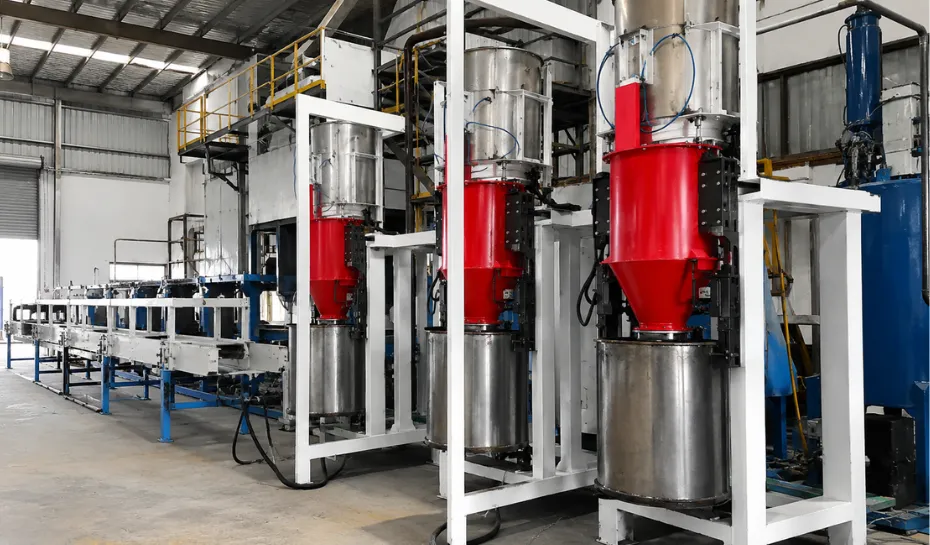
Production capacity directly influences the size and the price of the machinery.
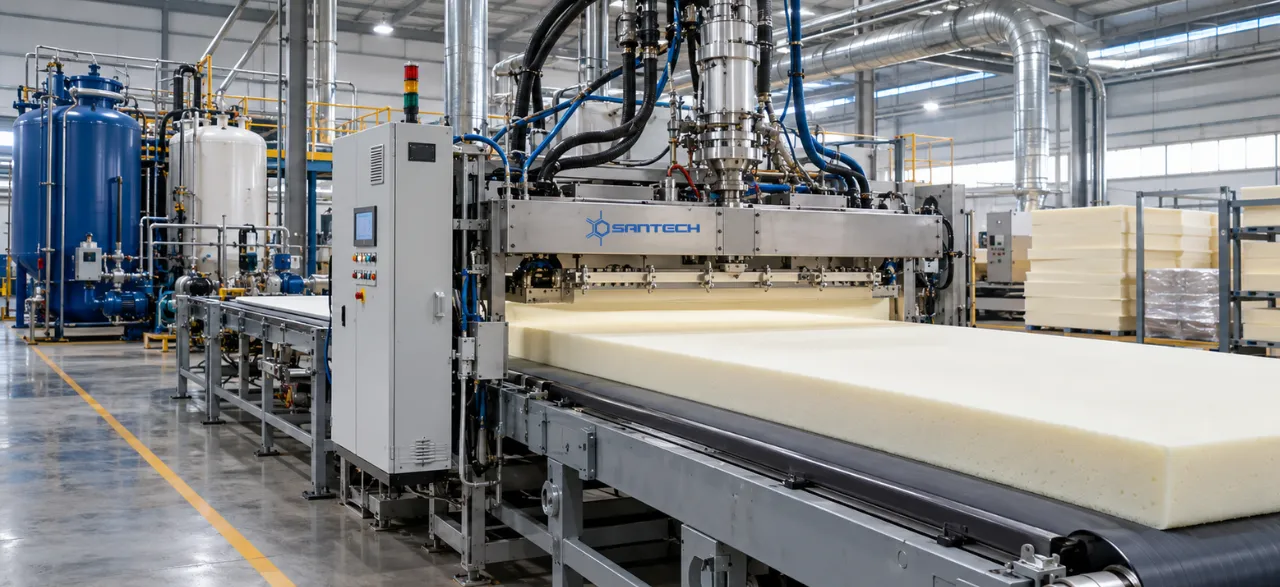
A smaller business unit may start with batch foaming equipment and a limited cutting setup. A higher output facility may require a continuous foaming line, automatic chemical dosing, conveyors, cutting arrangements, and multiple cutting machines.
Automation primarily increases the initial cost, but it can also offer the following:
- More consistent chemical dosing
- Better production repeatability
- Reduced manual handling
- Higher output
- Hassle-free production monitoring
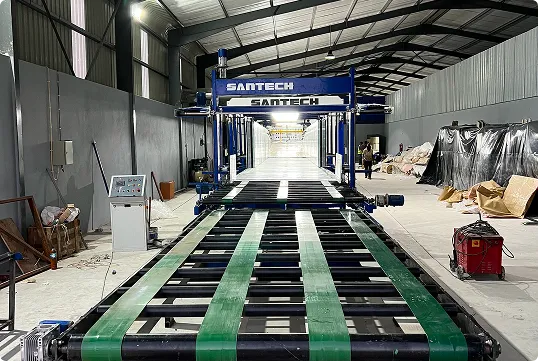
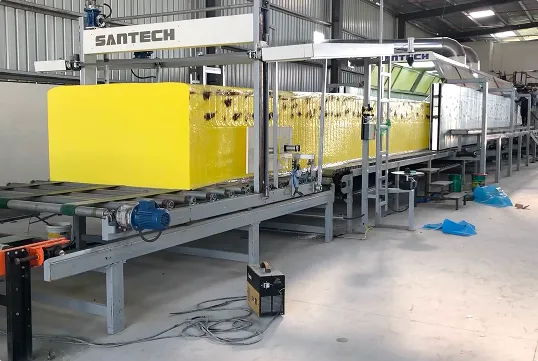
A batch-based production setup may require a lower initial investment, while a continuous foaming line can represent a major share of the entire project cost. After all, continuous systems are used for higher-volume foam production.
Therefore, the correct level of automation should be based on the expected demand and not the desire to install the largest available system.
Machinery Needed for a Foam Manufacturing Plant
It goes without saying that machinery is one of the largest parts of the initial investment.
An ideal flexible PU foam facility might require the following:
- PU foaming equipment
- Chemical storage and transfer systems
- Mixing and dosing units
- Foam block conveyors
- Curing and storage arrangements
- Cutting and converting equipment
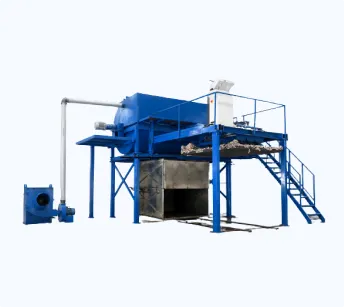
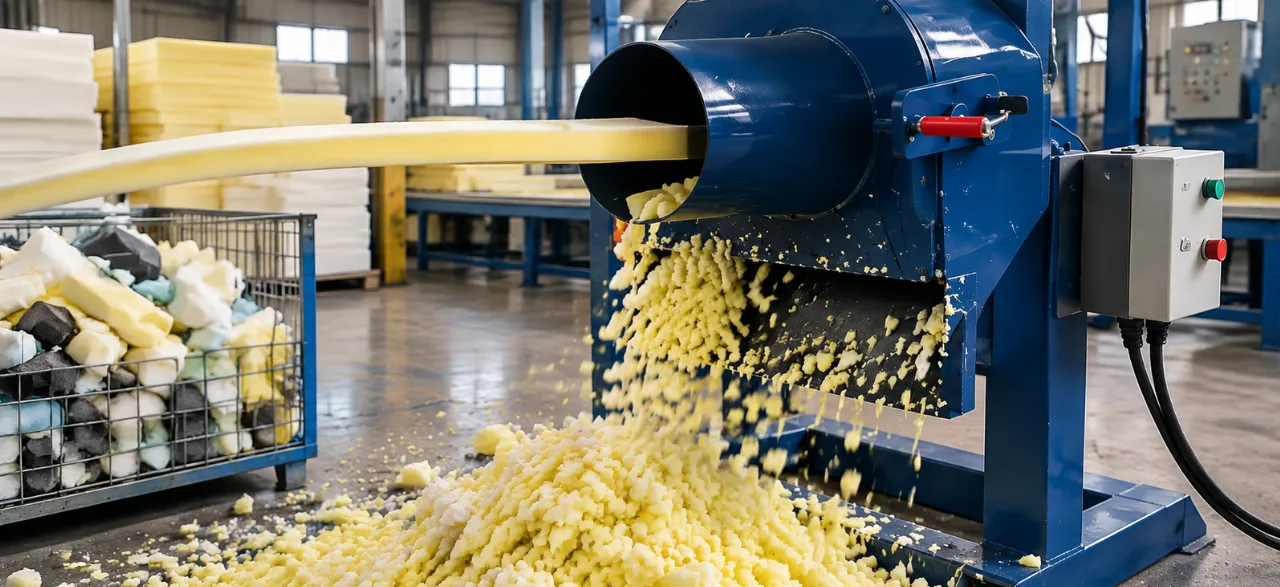
- Scrap collection and recycling systems
- Air compressors and electrical control panels
Based on the capacity and the automation level, the machinery may cost you somewhere between INR 20 lakh for a basic setup to several crores for a continuous production line.
Cost of a Foam Cutting Machine
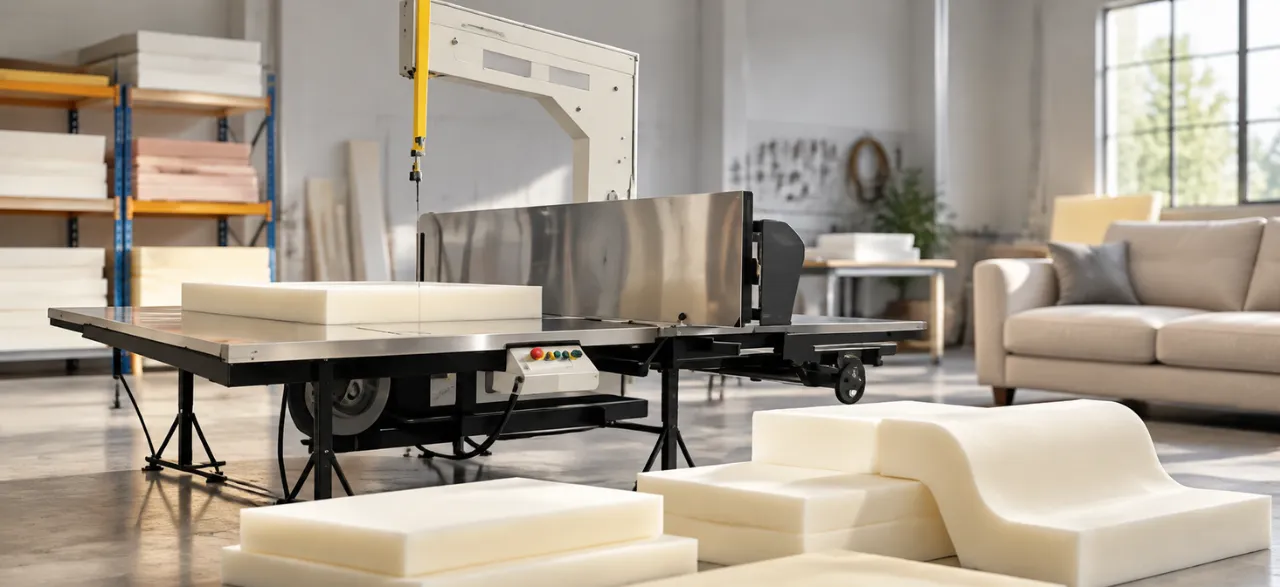
A foam cutting machine is an essential part of foam cutting equipment, used to convert cured foam blocks into sheets, rolls, cushions, mattress layers, and customised components. Its cost varies depending on the cutting method, working dimensions, automation level, precision, and production capacity.
Mentioned below is the table that gives you a peep through the basic pricing of cutting machines.
| Cutting Machine | Common Purpose | Indicative Cost |
|---|---|---|
| Vertical Cutting Machine | Straight vertical cuts and block sizing | ₹3 lakh to ₹8 lakh |
| Horizontal Cutting Machine | Producing sheets of controlled thickness | ₹7 lakh to ₹20 lakh |
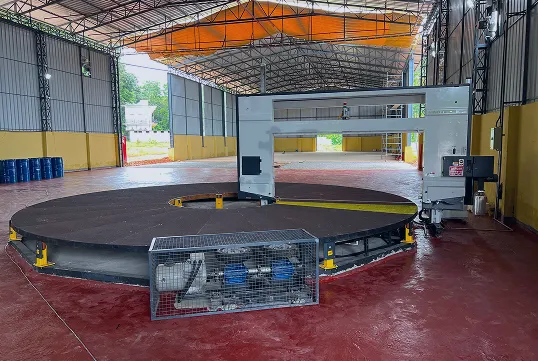
| Circular Cutting Machine | Continuous sheet or roll cutting | ₹15 lakh to ₹30 lakh |
| Profile Cutting Machine | Creating profiled or textured foam products | ₹15 lakh to ₹35 lakh |
| CNC Contour Cutting System | Detailed and customised foam shapes | ₹30 lakh to ₹50 lakh or more |
Factory Space and Layout Costs
The factory should provide ample space for more than just the production line. Separate areas might be needed for the following:
- Chemical storage
- Foaming and block production
- Foam curing
- Cutting and fabrication
- Finished product storage
- Sctap handling
- Quality inspection
- Machine maintenance
- Staff and administration
Foam blocks occupy a significant amount of space, particularly during the curing and storage phases. An overcrowded plant can create problems with material handling and also increase safety risks.
Based on the building’s existing condition, factory preparation may cost somewhere between INR 10 lakh to INR 1 crore or more.
Utilities, Ventilation, and Safety Systems
A foam plant requires dependable electrical infrastructure and the suitable power capacity needed for production machines, cutting equipment, compressors, and ventilation systems.
The setup may require the following:
- Industrial wing and control panels
- Compressed-air supply
- Local exhaust ventilation
- Temperature monitoring
- Fire detection and suppression systems
- Emergency exits and safety signage
- Personal protective equipment
- Chemical-spill control arrangements
A small- to medium-sized facility may require you to invest from around INR 5 lakh to INR 30 lakh for electrical systems, ventilation, compressors, and safety arrangements.
Raw Materials and Working Capital
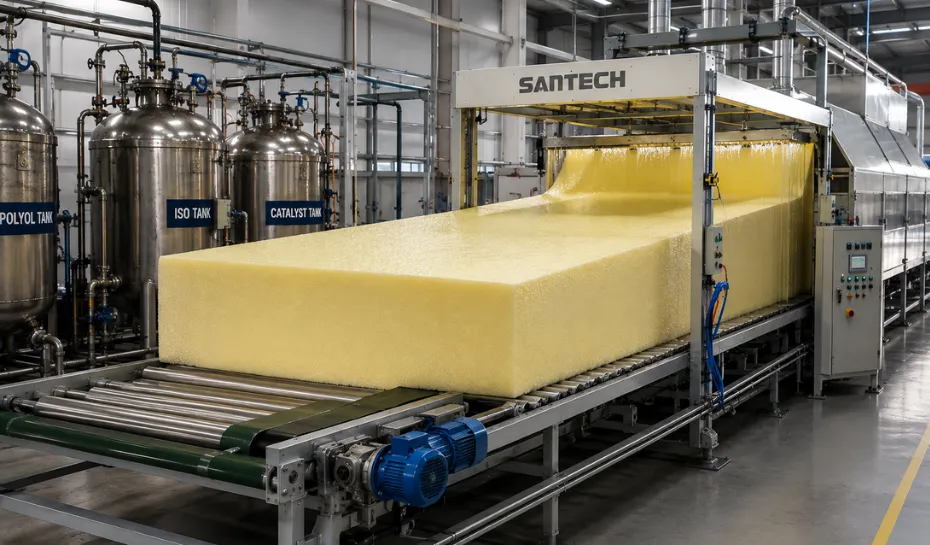
The plant should have sufficient working capital to function during the initial months. Raw materials may consist of polyols, isocyanates, catalysts, silicone surfactants, pigments, additives, and packaging materials.
Working capital should also be able to cover the following:
- Employee salaries
- Electricity bills
- Factory rent
- Transport
- Packaging
- Equipment maintenance
- Quality testing
- Customer credit periods
Based on the production capacity, the initial investment in PU foam chemicals, packaging materials, and operating reserves may range from INR 10 lakh to INR 50 lakh or more. The final cost depends on the type of foam being manufactured, production volume, supplier pricing, and inventory requirements.
Labour, Installation, and Training
A foam manufacturing plant may require production supervisors, machine operators, chemical-handling staff, cutting machine operators, maintenance technicians, quality-control personnel, and warehouse workers.
The investment should account for machinery installation, trial production, and operator training. These services may add up to INR 3 lakh to INR 20 lakh to the actual budget, depending on the size and the complexity of the production line.
Whenever you are comparing foam machine manufacturers in India, businesses should always check whether installation, commissioning, training, documentation, and after-sales assistance are included or not.
Incense and Compliance Expenses
The approvals needed will depend on the plant location, production process, chemical storage, and applicable state regulations. These may also include factory registration, fire-safety approval, pollution-control consent, electrical inspection, and labour-related registration.
Moreover, compliance- and consultancy-related costs may vary by state and project size. Businesses should also set aside a separate amount for applications, inspections, documentation, safety systems, and any building changes needed by the authorities.
How Can You Control the Setup Cost?
Businesses can easily manage the investment by:
- Starting with a realistic production capacity.
- Choosing machines around confirmed product requirements.
- Comparing complete quotations and not just the machine prices alone.
- Allowing sufficient space for furniture expansion.
- Maintaining sufficient working capital.
- Selecting energy-efficient equipment.
The cheapest machines might not be able to deliver the lowest long-term cost. Downtime, inconsistent foam quality, high wastage, and unavailable spare parts can make low-priced systems more expensive.
Wrapping Up
Setting up a foam manufacturing unit is a long-term investment that requires careful planning beyond the cost of the foam machine itself. The total setup cost depends on several factors, including plant capacity, automation level, factory infrastructure, utilities, and production requirements. While a small-scale unit can start from around ₹40 lakh, medium and large automated plants may require an investment of several crores.
By evaluating these factors before investing, businesses can build a production facility that delivers consistent quality, minimizes material waste, improves operational efficiency, and supports future expansion. Choosing the right machinery and working with an experienced foam company can make the entire setup process more efficient and cost-effective.
As a trusted foam company, Santech Foam Machines provides complete guidance in selecting the right foam manufacturing and cutting machines based on your production capacity, budget, and business objectives. With the right technology and expert support, you can establish a reliable, scalable, and profitable foam manufacturing business.