

Reducing foam waste in mattress manufacturing starts with improving cutting accuracy, production planning, material utilisation, scrap recovery, and foam processing efficiency. By using the right cutting methods and equipment, manufacturers can minimise material loss, reduce production costs, and improve overall manufacturing efficiency.
Every mattress starts with a large block of foam, but not all of that material becomes part of the finished product. Cutting errors, poorly planned layouts, incorrect measurements, and inefficient production processes can leave behind significant amounts of usable foam. Over time, this waste can increase raw material costs, reduce productivity, and affect profit margins. Accurate foam measurement and consistent density control are also important for efficient material planning and mattress production. Learn more about how to measure foam density in mattresses to better understand how foam density affects material requirements.
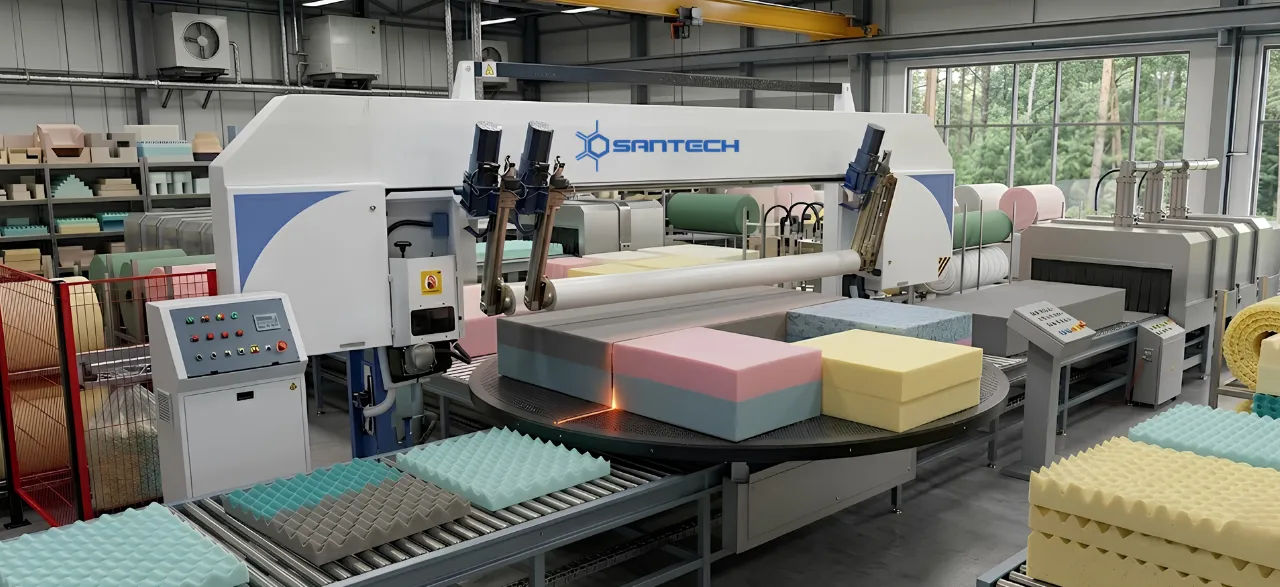
The good news is that reducing foam waste in mattress manufacturing does not always require a complete factory overhaul. Manufacturers can make meaningful improvements by optimising cutting patterns, using precision foam cutting machines, training operators, maintaining equipment, monitoring waste levels, and finding suitable ways to reuse or recycle foam scraps.
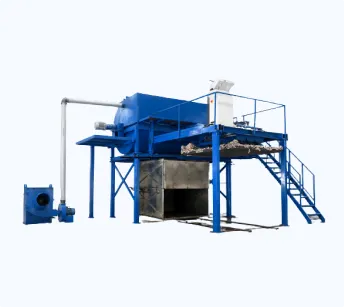
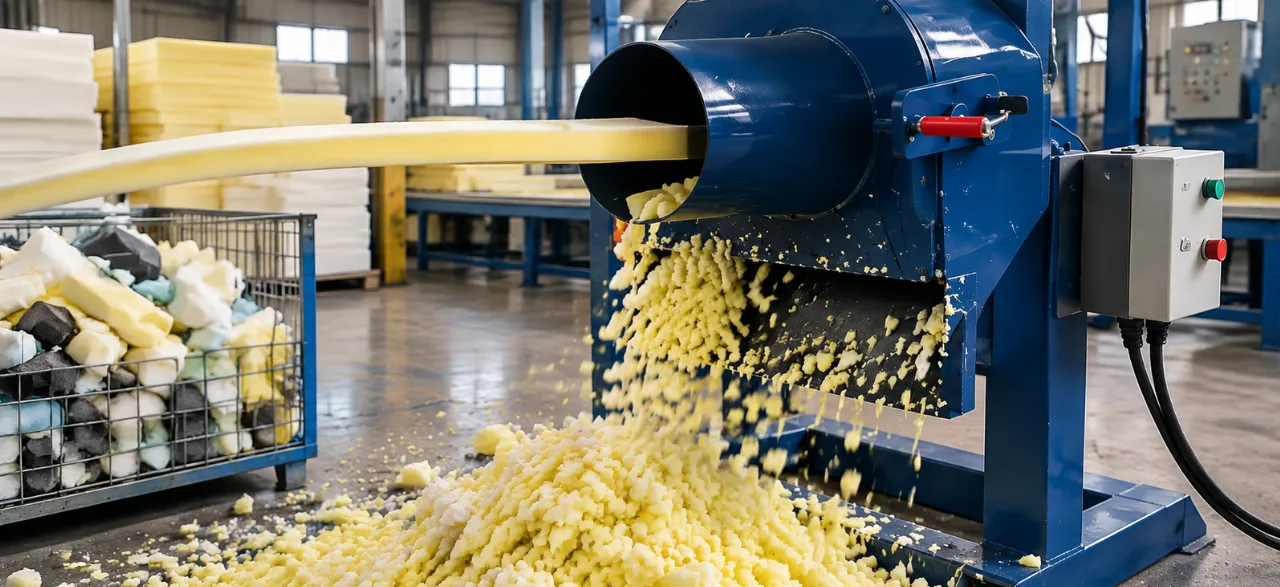
For suitable leftover foam, a foam shredding machine can help process scrap into smaller pieces for applications such as filling and rebonded foam products. This allows manufacturers to recover value from material that might otherwise be discarded.
In this guide, we will explore 7 practical ways to reduce foam waste in mattress manufacturing, from improving cutting accuracy and production planning to recovering foam scraps and monitoring waste throughout the manufacturing process.
How to Reduce Foam Waste in Mattress Manufacturing?
Reducing foam waste requires manufacturers to look beyond the cutting stage and examine how foam is stored, measured, handled, processed, and allocated across different mattress sizes. A small improvement at each stage can prevent usable material from becoming scrap.
Start by reviewing where foam is being lost in the production workflow. Compare the quantity of foam entering production with the amount used in finished mattresses and record the difference. This makes it easier to identify whether waste is mainly caused by cutting layouts, damaged blocks, incorrect measurements, handling issues, or leftover sections.
Manufacturers can then take targeted steps to improve material usage, such as:
- Standardise foam measurements before cutting to prevent incorrect dimensions.
- Plan mattress sizes together so available foam blocks can be used more efficiently.
- Inspect foam blocks before processing and separate damaged or unsuitable sections.
- Use suitable cutting equipment for the required mattress dimensions and production volume.
- Store foam correctly to reduce damage caused by poor handling or unsuitable storage conditions.
- Separate usable scraps from unusable waste so recoverable material can be redirected to secondary applications.
- Track waste regularly to identify recurring problems and measure improvements over time.
The goal is not simply to eliminate every piece of scrap, as some material loss is unavoidable during mattress production. Instead, manufacturers should focus on reducing avoidable waste and recovering value from suitable leftover foam wherever practical.
Why Reducing Foam Waste Is Important in Mattress Manufacturing
Foam is one of the most important raw materials that is used in mattress production. Any unwanted material loss directly affects the manufacturing costs.
When the foam scraps accumulate during the production process, manufacturers face the following challenges:
| Challenge | Impact on Manufacturing |
|---|---|
| Excess material wastage | Higher raw material costs |
| Poor cutting accuracy | Inconsistent mattress quality |
| Manual cutting errors | Increased production time |
| Disposal requirements | Higher waste management costs |
According to one of the research papers published in Polymers, PU foam waste remains one of the major environmental concerns, with a significant amount of foam material requiring recycling or disposal. The study also highlighted that a considerable percentage of PU foam waste has ended up in landfills, thereby creating problems for sustainable manufacturing.
For mattress manufacturers, reducing waste is not only an environmental responsibility but also an efficient way to improve operational efficiency.
1. Optimise Foam Cutting Patterns Before Production
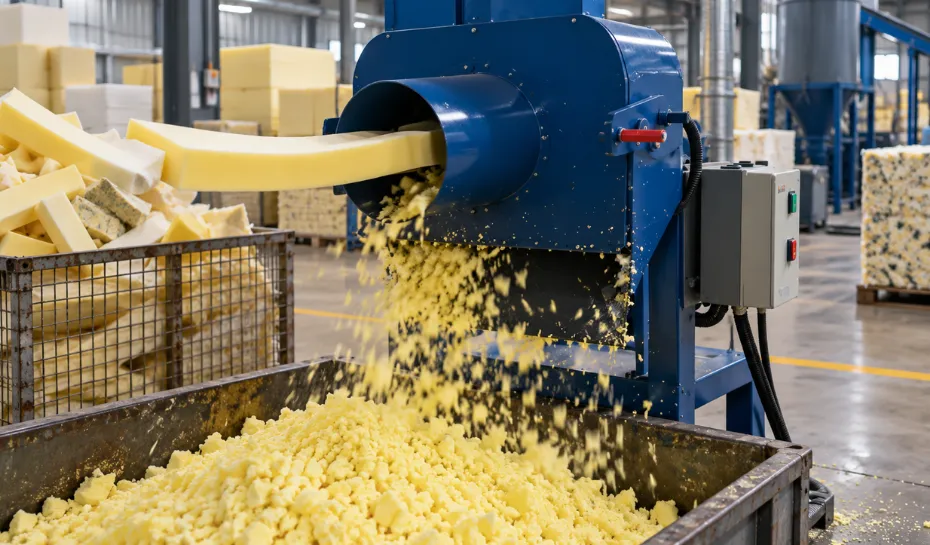
One of the simplest and most efficient ways to reduce foam waste is by improving cutting accuracy before production begins. Understanding how foam cutting improves accuracy can help manufacturers plan precise cutting patterns, minimise unnecessary gaps, and make better use of each foam block.
Many manufacturers lose valuable foam because cutting layouts are not properly planned. When different mattress sizes are cut randomly, unused gaps between sections can create unnecessary scrap and reduce overall material utilisation.
Using digital planning tools and automated cutting systems, manufacturers can:
- Reduce leftover foam sections
- Arrange cutting patterns more efficiently
- Maintain uniform dimensions
- Improve material utilisation
- Minimise unnecessary foam scrap
A well-planned cutting process ensures that every usable section of the foam block is considered before production begins, helping manufacturers reduce waste while maintaining consistent cutting accuracy.
2. Use Advanced Foam Cutting Machines for Better Accuracy
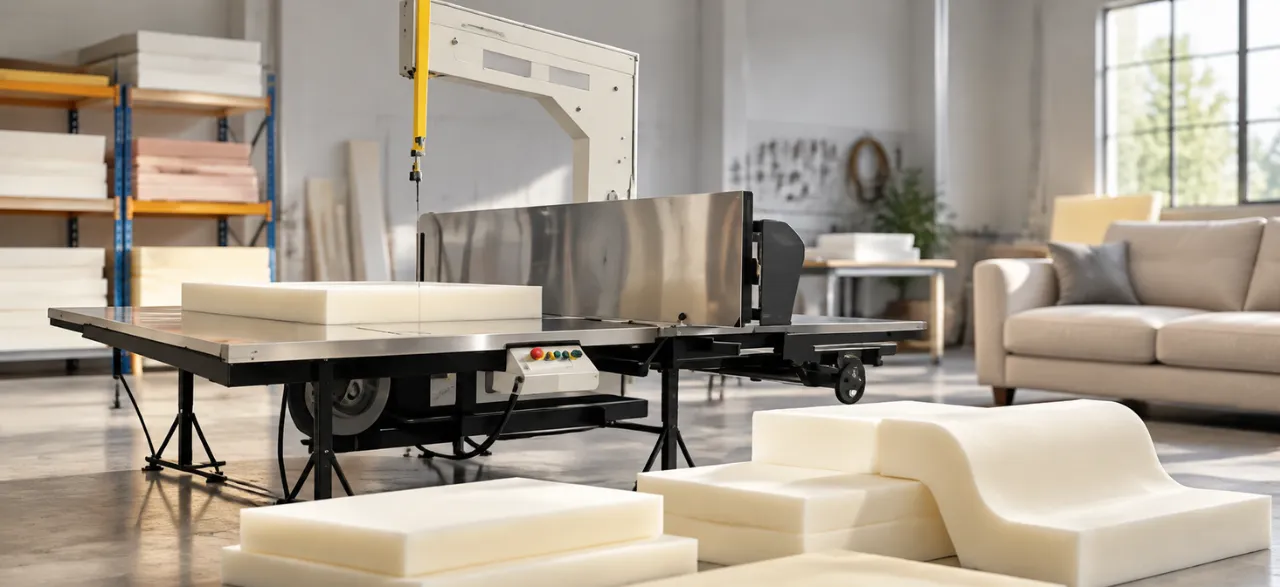
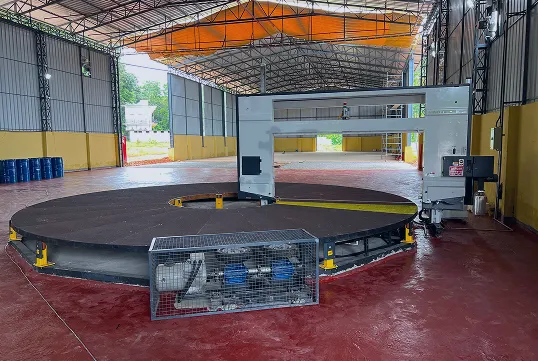
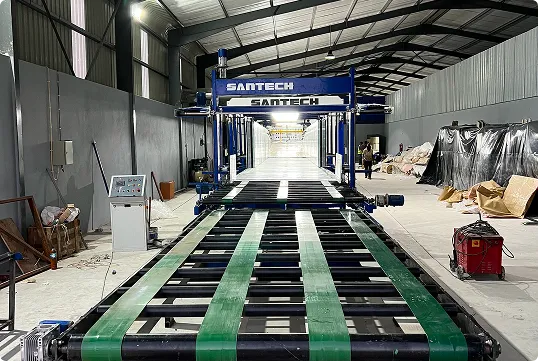
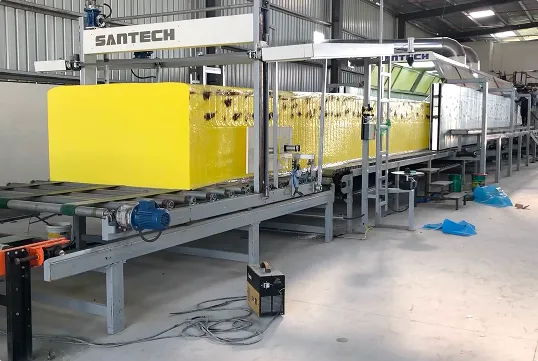
Manual cutting methods often lead to unequal edges, measurement errors, and inconsistent results. A modern foam cutting machine can help manufacturers achieve accurate cuts with minimal material loss.
Different production requirements may call for different equipment, so understanding the different types of foam machines can help manufacturers choose the right solution for their cutting, shaping, and foam processing needs.
These machines are designed to handle different foam densities and production requirements while maintaining consistent accuracy throughout the manufacturing process.
Key benefits include the following:
| Feature | Benefit |
|---|---|
| Automated cutting control | Reduces human errors |
| Precision blades | Creates a cleaner cut |
| Adjustable settings | Handles different foam types |
| Faster processing | Improves production capacity |
For large-scale mattress manufacturers, investing in a suitable technology can significantly reduce unnecessary material consumption.
3. Invest in a Waste Foam Cutting Machine for Scrap Recovery
Not all leftover foam needs to be thrown away. Many foam scraps can be processed and reused for other applications, helping manufacturers improve material utilisation and reduce waste.
A waste foam cutting machine enables manufacturers to convert leftover pieces into smaller, usable sections. Understanding how foam is made also helps manufacturers identify how different foam materials can be processed, reused, or directed toward suitable secondary applications.
These processed materials can be used in various applications, such as:
- Rebonded foam products
- Cushion filling
- Packaging solutions
- Secondary foam applications
Rather than treating leftover foam as waste, manufacturers can create additional value from materials that would otherwise be discarded.
A circular strategy for foam waste management can also support more sustainable manufacturing practices. Mechanical processing and recycling methods can help recover value from polyurethane foam waste and reduce the amount of material sent for disposal.
4. Train Operators for Efficient Material Handling
Technology plays an important role in reducing foam waste, but skilled operators are equally important for maintaining cutting accuracy and efficient material handling.
Incorrect handling of foam blocks during cutting can result in inaccurate cuts, damaged material, and unnecessary scrap. Proper operator training helps ensure that foam is positioned, measured, and processed correctly at each stage of production.
Proper training should help employees understand the following:
- Correct machine operation
- Precise foam measurements
- Proper material positioning
- Efficient material handling
- Safe machine operating practices
- Identifying and avoiding common cutting errors
Regular training sessions can help manufacturers identify recurring mistakes, improve operator performance, and maintain consistent production quality. Operators should also understand how different foam types, sizes, and densities may require adjustments during processing.
A combination of skilled operators, accurate measurements, and reliable foam cutting equipment creates a more controlled manufacturing environment and helps minimise avoidable foam waste.
When foam scraps are generated despite these measures, a foam shredding machine can help process suitable leftover foam for potential reuse in secondary applications.
A combination of skilled operators and reliable equipment will help in creating a more controlled manufacturing environment.
5. Maintain Cutting Equipment Regularly
Even advanced machines can create additional waste when they are not maintained properly.
A damaged blade, incorrect calibration, or machine alignment issue can affect overall cutting accuracy.
However, regular maintenance will help ensure:
| Maintenance Activity | Result |
|---|---|
| Blade inspection | Cleaner cuts |
| Machine calibration | Better accuracy |
| Software updates | Improved performance |
| Component checks | Reduced downtime |
Preventive maintenance can also help manufacturers avoid unexpected production interruptions and maintain consistent cutting performance. Regularly checking the condition of blades, machine components, and other foam cutting equipment can further support efficient production and reduce avoidable material waste.
For a better understanding of the equipment used in foam processing and cutting, explore foam cutting equipment and its role in improving production efficiency.
6. Reuse and Recycle Foam Cutting Waste
Rather than sending away leftover foam to disposal facilities, manufacturers can also explore recycling and reuse options.
Foam cutting waste is often collected, processed, and converted into useful materials.
Common reuse options consist of the following:
| Foam Waste Application | Usage |
|---|---|
| Rebond foam | Flooring and cushioning products |
| Small foam pieces | Packaging materials |
| Foam filling | Furniture and upholstery |
| Recycled foam products | Secondary manufacturing |
The US Environmental Protection Agency (EPA) notes that the amount of waste generated from furniture and furnishings is considerable, underlining the need for efficient recovery and recycling processes.
7. Monitor Waste Levels and Improve Production Processes
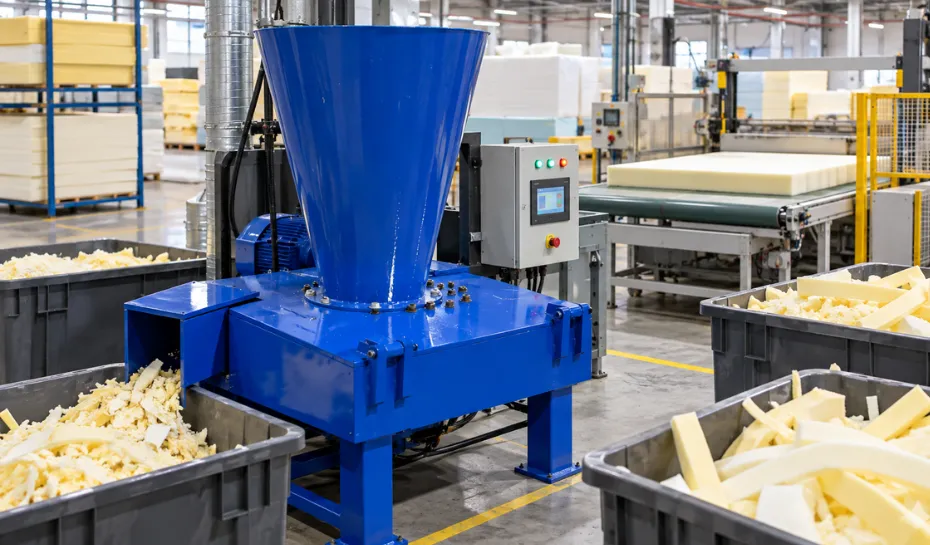
A lot of manufacturers focus on production output but often ignore waste tracking.
Monitoring how much foam is discarded during each stage helps to identify the core problem areas.
Manufacturers can track the following:
- Foam used per mattress
- Amount of leftover material
- Cutting efficiency
- Machine performance
- Scrap recovery rates
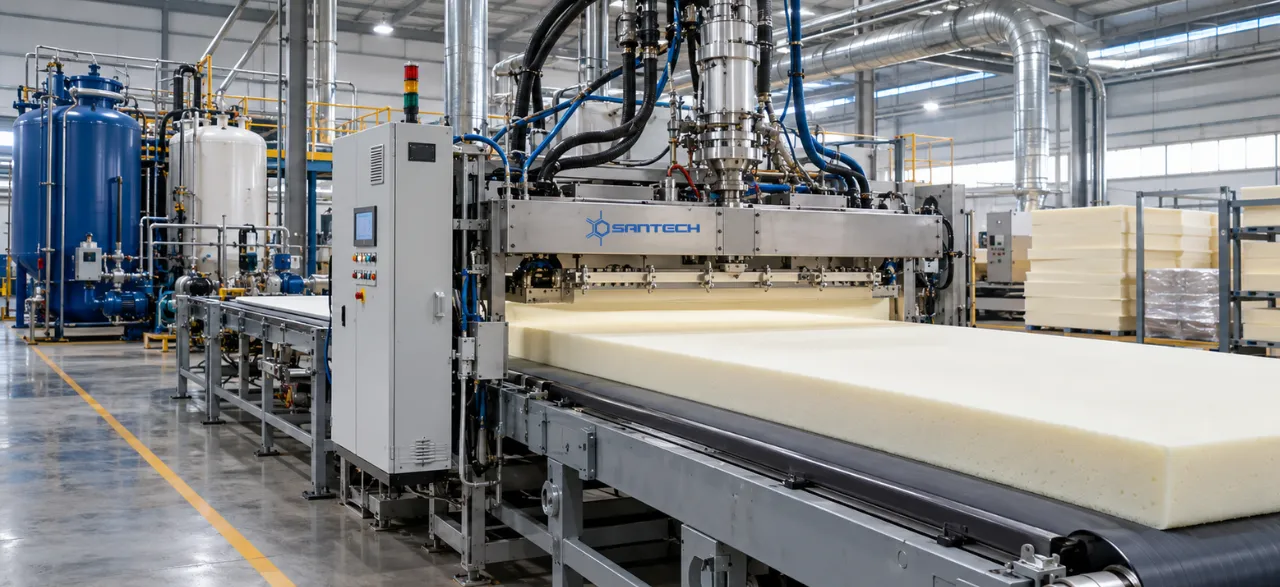
A simple and efficient waste monitoring system can reveal opportunities for improvement and help reduce unnecessary expenses. Once manufacturers understand where waste is occurring, they can make more informed decisions about production methods and equipment. This also makes it easier to choose the right foam manufacturing machine based on production capacity, foam requirements, cutting needs, and overall efficiency goals.
Foam Waste Reduction: Conventional vs. Improved Approaches
Reducing foam waste requires the need to move beyond traditional practices and adopt smarter production methods. The comparison table below highlights how improved cutting, planning, and waste management approaches can enable the manufacturers to achieve better efficiency and material utilisation.
| Area | Conventional Approach | Improved Approach |
|---|---|---|
| Cutting method | Manual measurement | Automated precision cutting |
| Waste management | Disposal of scraps | Recycling and reuse |
| Production planning | Basic layouts | Optimised cutting patterns |
| Quality control | Operator dependent | Machine-controlled accuracy |
| Material utilisation | Higher material loss | Better use of available foam |
| Production consistency | Variation between cuts | Consistent cutting results |
| Operating efficiency | More manual intervention | Streamlined production workflow |
How Does a Waste Foam Cutting Machine Support Sustainable Manufacturing
A waste foam cutting machine helps manufacturers move towards more sustainable production by making better use of leftover foam materials. Instead of treating every piece of scrap foam as waste, manufacturers can sort, process, and reuse suitable foam pieces for other applications.
This approach can help improve material utilisation while reducing the amount of foam sent for disposal. For mattress and furniture manufacturers, better waste handling can also support more efficient use of raw materials and reduce avoidable production losses.
A waste foam cutting machine can support sustainable manufacturing in several ways:
- Better material utilisation: Usable foam remnants can be processed into suitable sizes or forms instead of being discarded.
- Reduced production waste: Accurate cutting can help minimise unnecessary scrap generated during foam processing.
- Reuse of foam materials: Suitable leftover foam can be directed towards applications such as rebonded foam, cushioning, filling, and other secondary products.
- Lower disposal requirements: Reducing the volume of foam waste can decrease the amount of material that needs to be handled or disposed of.
- More efficient production: Better cutting and waste-handling practices can help manufacturers make greater use of the material already available in their production process.
For mattress manufacturers in particular, waste reduction is not only an environmental consideration. It can also contribute to better resource management and more efficient production. Combining accurate foam cutting with proper waste segregation and recycling practices allows manufacturers to take a more practical approach to sustainable manufacturing.
However, a waste foam cutting machine is only one part of an effective waste-reduction strategy. Manufacturers should also consider cutting patterns, production planning, foam storage, material segregation, and opportunities to reuse suitable foam scraps. Together, these practices can help reduce avoidable waste while improving overall material efficiency.
Wrapping Up
Reducing foam waste in mattress manufacturing requires a combination of accurate cutting, efficient production planning, proper waste management, and recycling practices. Using the right machinery can help manufacturers reduce material loss, improve production efficiency, and make better use of foam throughout the manufacturing process.
A waste foam cutting machine can support this process by improving cutting accuracy and helping manufacturers reuse suitable foam scraps instead of treating them as waste. Regular machine maintenance, skilled operation, and effective material planning can further improve overall efficiency.
For manufacturers looking to improve their production setup, Santech Foam Machines provides foam processing solutions designed to support efficient and consistent foam manufacturing. Choosing the right foam making machine and cutting equipment can help manufacturers optimise material usage, control production costs, and move towards more sustainable manufacturing practices.