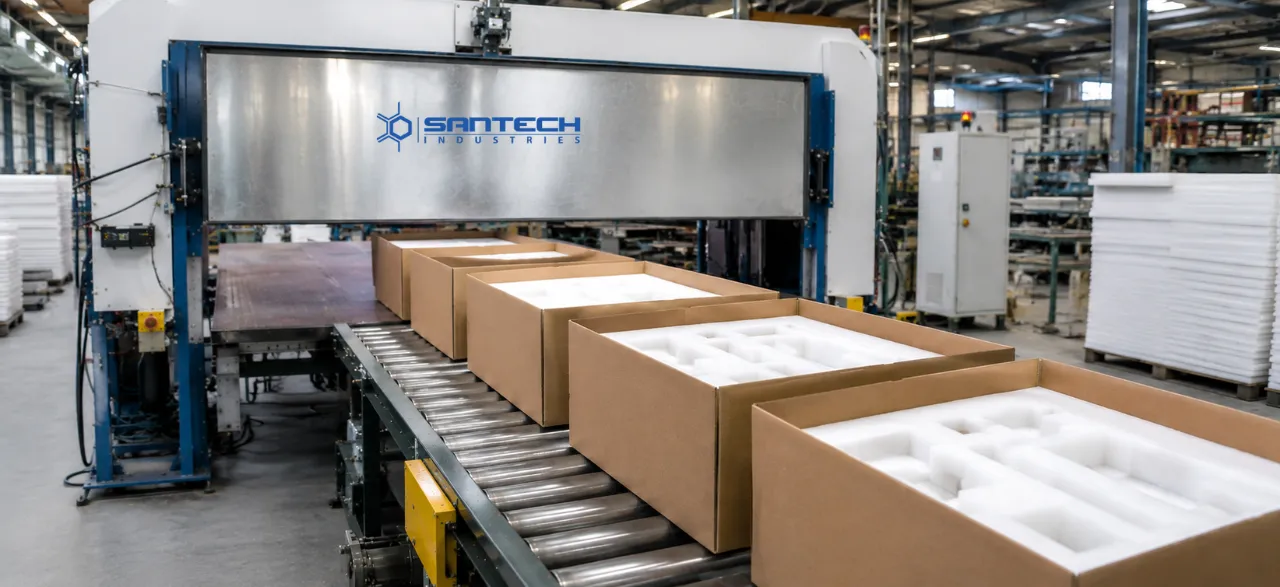


When products are transported from one place to another, even a small impact can lead to scratches, dents, or serious damage. Foam in packaging helps prevent this by creating a protective cushioning layer that absorbs shocks, reduces vibration, and keeps products from moving around inside the package.
From electronics and medical equipment to automotive components and industrial parts, foam packaging solutions can be designed around the specific protection a product needs. Different materials, including PU foam, polyethylene foam, EPS, and EPP, offer different levels of flexibility, cushioning, durability, and foam density, depending on the application.
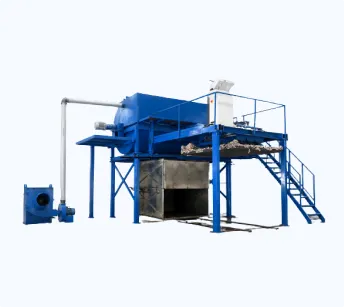
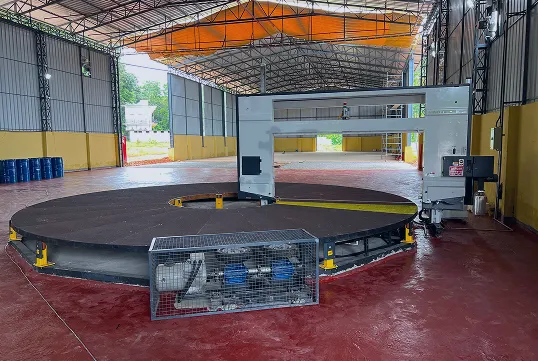
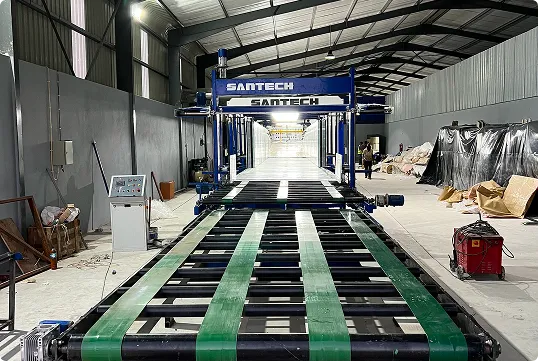
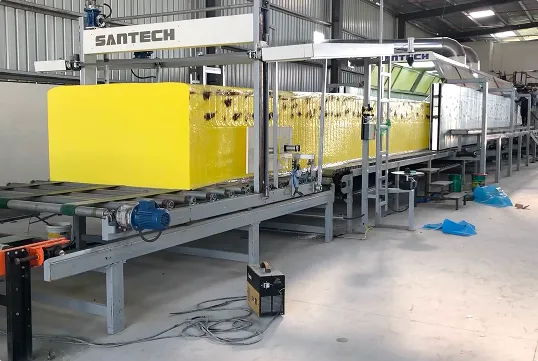
For manufacturers, however, choosing the right foam is only one part of the process. Producing consistent foam with the required density, thickness, and volume also depends on the right manufacturing equipment. Foam Making Machines, such as an Automatic Batch Foaming Machine or Continuous Foaming Machine, can help manufacturers maintain consistent production while meeting different packaging requirements.
Whether you need foam in packaging for better product protection or are planning to increase foam production, understanding the types of foam used in packaging, their applications, and the right production method can help you choose a solution that works for your specific requirements.
What Is Foam in Packaging?
Foam in packaging refers to foam-based materials used to protect products from impact, vibration, scratches, compression, and movement during handling, storage, and transportation. These materials create a cushioning layer around or between products, helping reduce the risk of damage.
Common types of foam used in packaging include PU foam, polyethylene (PE) foam, expanded polystyrene (EPS), and expanded polypropylene (EPP). The right option depends on factors such as the product’s weight, shape, fragility, required cushioning, and foam density.
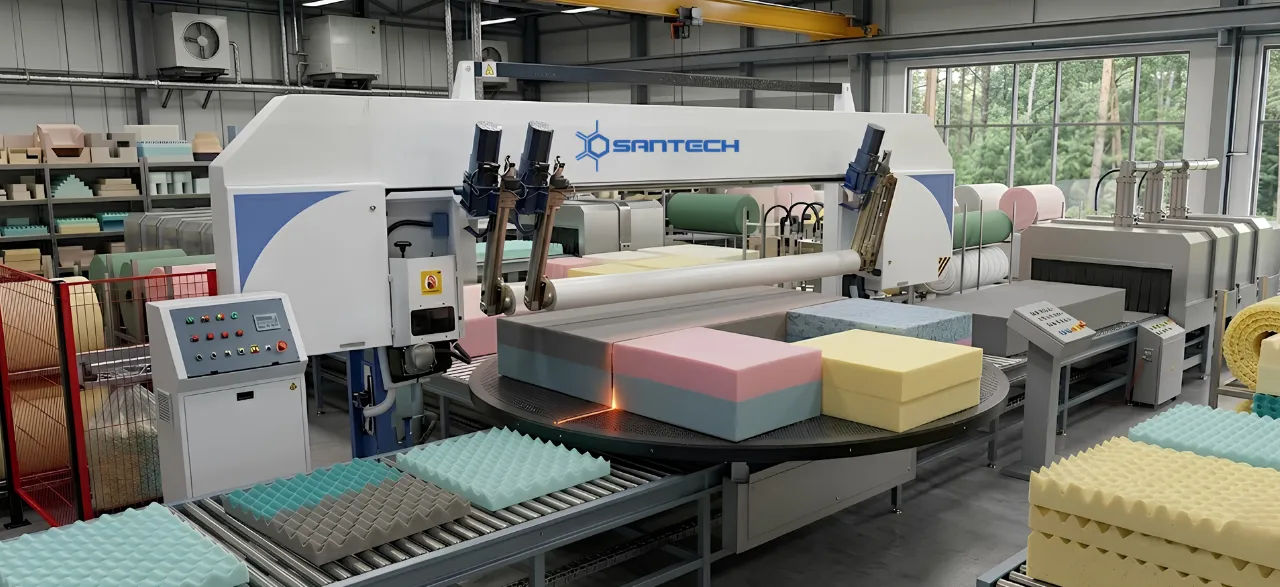
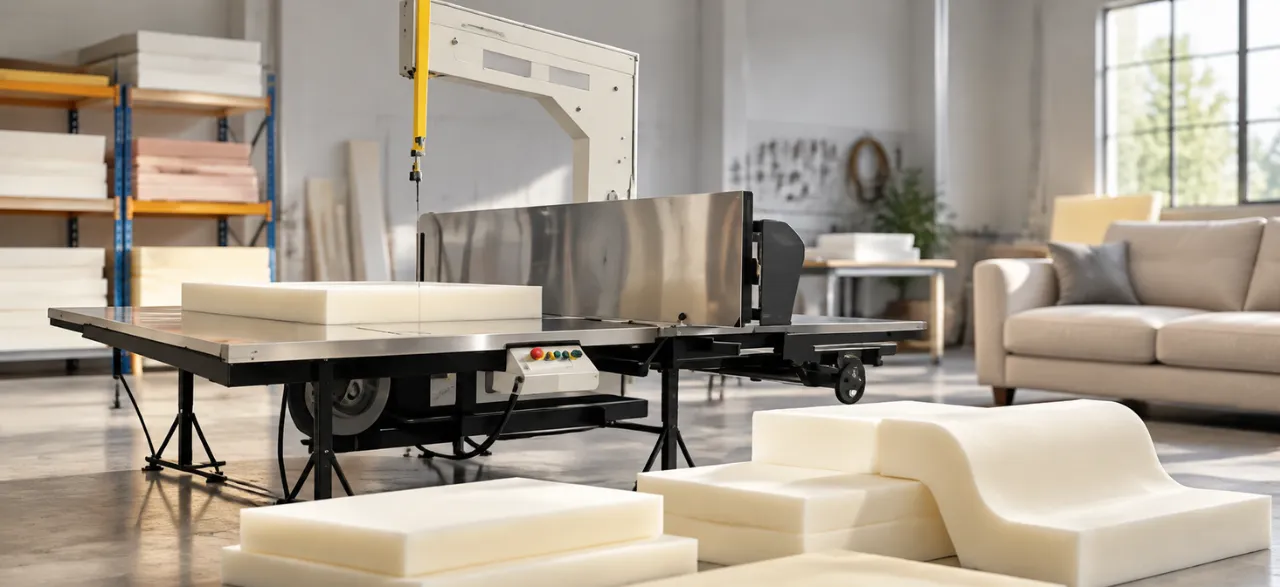
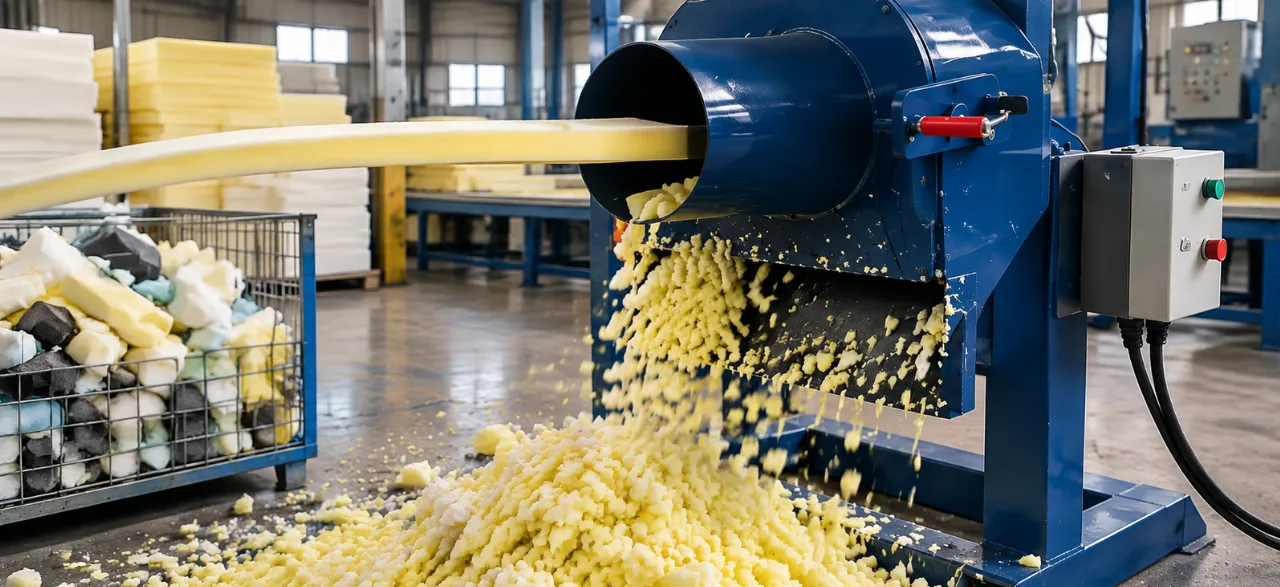
For manufacturers, foam packaging solutions can range from simple foam sheets and pads to customised inserts and protective components. Consistent production also depends on suitable Foam Making Machines, particularly when manufacturers need specific foam properties or high production volumes. Working with experienced PU foaming machine manufacturers can also help businesses select equipment suited to their foam type, production capacity, and packaging requirements.
Why Is Foam Used in Packaging Applications?
The growing use of foam packaging solutions is largely due to their ability to protect products without adding significant weight. Foam can absorb impact, reduce vibration, and provide cushioning during handling, storage, and transportation.
Some of the key benefits of foam packaging include:
| Benefit | How It Helps |
|---|---|
| Shock absorption | Reduces damage caused by impacts during transportation. |
| Lightweight structure | Helps reduce overall packaging weight and shipping costs. |
| Custom shapes | Allows manufacturers to create product-specific inserts. |
| Cushioning ability | Keeps fragile products stable and protected inside packages. |
| Reusability | Certain foam materials can be reused multiple times, depending on the application. |
Types of Foam Used in Packaging Applications
Different products require different levels of protection, so manufacturers should select foam materials based on factors such as foam density, flexibility, durability, impact resistance, and the intended application. They should also consider foam plant space when planning the production facility to ensure there is enough room for machinery, storage, and future expansion.
| Foam Type | Key Characteristics | Protection Level | Key Benefits | Common Applications |
|---|---|---|---|---|
| Polyurethane (PU) Foam | Soft, flexible, available in different densities | Medium | Excellent cushioning, lightweight, conforms to product shapes | Electronics, medical devices, fragile equipment |
| Polyethylene (PE) Foam | Lightweight, resilient, good impact resistance | High | Durable, moisture-resistant, good shock protection | Industrial components, tools, shipping protection |
| Expanded Polystyrene (EPS) | Rigid, lightweight, good insulation properties | High | Strong impact protection, cost-effective, easy to mould | Food packaging, appliances, protective boxes |
| Expanded Polypropylene (EPP) | Durable, flexible, reusable, impact-resistant | Very High | Excellent energy absorption, reusable, long service life | Automotive parts, heavy-duty packaging, industrial components |
Among all of these, PU foam packaging is widely preferred for products that demand gentle cushioning and protection from surface damage. Its flexible structure also allows for adjusting around different product shapes while also reducing impact forces.
How Does PU Foam Packaging Work?
PU foam packaging works by creating a protective layer between the product and external forces.
When an item experiences an impact, the foam compresses and absorbs a part of its energy rather than transferring it directly to the product.
This makes PU foam suitable for the following:
- Electronic devices
- Precision instruments
- Medical equipment
- Luxury products
- Automotive components
Manufacturers can also customise PU foam as per density, thickness, and shape requirements.
Role of Foam-Making Machines in Packaging Solutions
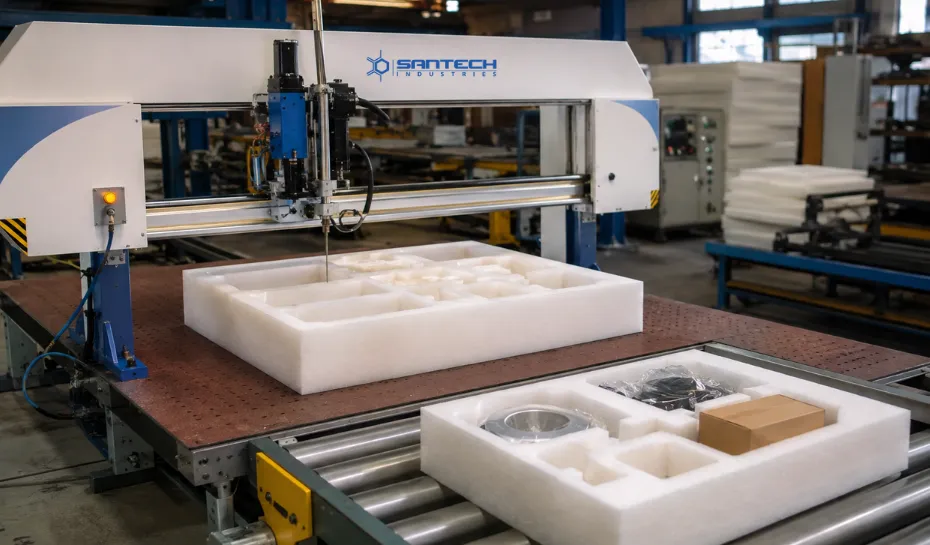
Automatic Batch Foaming vs. Continuous Foaming Machine
Foam manufacturers are generally required to make a choice between batch and continuous production systems based on their requirements.
Which Foaming Machine Is Right for Packaging Production?
An Automatic Batch Foaming Machine is useful for manufacturers producing different foam grades or customised packaging solutions. It provides greater flexibility when production requirements change frequently and is suitable when manufacturers need to produce different formulations or batch sizes.
A Continuous Foaming Machine, on the other hand, is designed for high-volume production where consistent output and uniformity are priorities. It is better suited to manufacturers with steady production requirements and larger order volumes.
The right choice ultimately depends on production capacity, foam specifications, product variation, available plant space, and future expansion plans.
How Do Industries Use Foam Packaging Solutions?
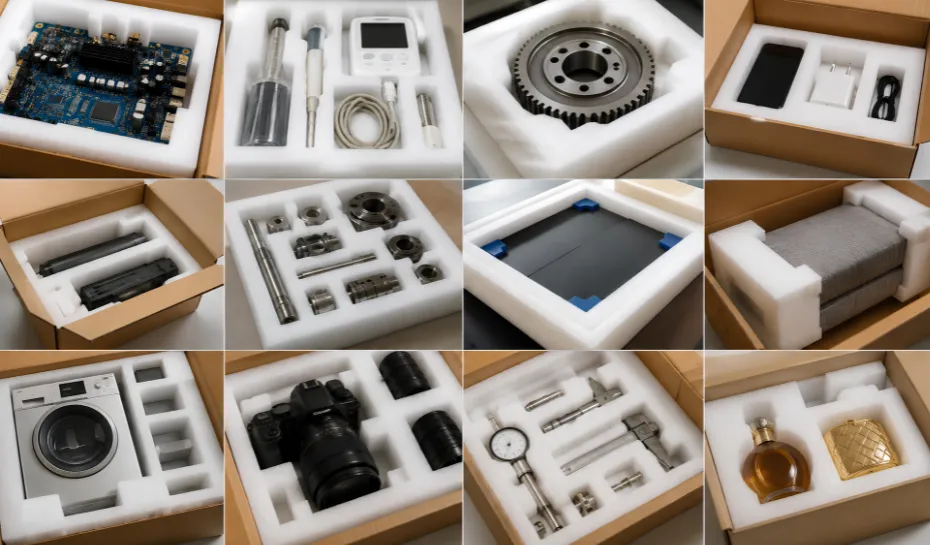
Modern industries depend on foam packaging solutions to protect products from impact, vibration, scratches, compression, and movement during storage and transportation. The type of foam and packaging design usually depends on the product’s weight, shape, sensitivity, and handling conditions.
Some of the common applications include:
Electronics Industry
Electronic products often require protection from scratches, shocks, and vibrations. Custom foam inserts can keep components securely positioned and reduce the risk of damage during transportation.
Medical Equipment
Medical devices and precision instruments require careful handling because even minor damage can affect their performance. Foam packaging provides cushioning and helps keep sensitive equipment secure during storage and transit.
Automotive Sector
Automotive components can be heavy, sensitive, or have delicate finished surfaces. Durable foam packaging helps prevent scratches, dents, and surface damage while components are being stored or transported.
E-Commerce and Retail
With the growth of online deliveries, protective packaging has become increasingly important. Foam inserts and cushioning can help reduce transit damage and minimize product returns.
Industrial Equipment
Machinery components, tools, and other industrial parts often require protection against impact and movement. Higher-density foam can provide the cushioning needed for heavier products during transportation.
Furniture Industry
Furniture components and finished products can be vulnerable to scratches, dents, and edge damage during handling. Foam sheets, pads, and customised inserts can provide additional protection during packaging and delivery.
Consumer Appliances
Appliances such as televisions, refrigerators, washing machines, and other household equipment need protection against impact and vibration. Foam packaging can be shaped around vulnerable areas to reduce the risk of damage during transportation.
Precision Instruments and Luxury Products
Cameras, optical equipment, measuring instruments, and premium products often require customised packaging. Soft and flexible PU foam packaging can provide cushioning while helping prevent scratches and surface damage.
How to Choose the Right Foam Solution?
Wrapping Up
Foam in packaging helps protect products from impact, vibration, scratches, and movement during transportation. Choosing the right foam depends on factors such as product requirements, foam density, cushioning needs, and production volume.
For manufacturers, the right Foam Making Machine can help achieve consistent quality and efficient production. Whether you need the flexibility of an Automatic Batch Foaming Machine or the high output of a Continuous Foaming Machine, the right equipment can make a significant difference.
Santech Foam Machines provides foam manufacturing solutions that help manufacturers produce consistent foam for different foam packaging solutions and production requirements